
Industrial Conveyor Systems
CSTRANS supplies belt, chain and roller conveyors, vertical lifting equipment and bottle gripper conveyors for production, packaging and material handling. The equipment choice depends on how the product is supported and where it needs to go. A firm-base package on rollers, a bottle held at its sides and loose material carried in buckets each need a different arrangement. For a flexible conveyor enquiry, state whether the installed chain route stays fixed or a retractable roller conveyor must extend, bend or be stored between uses. For specialised projects, compare independently controlled mover systems, conveyors for bearing workpieces and ODM chain conveyor design for customer brands.
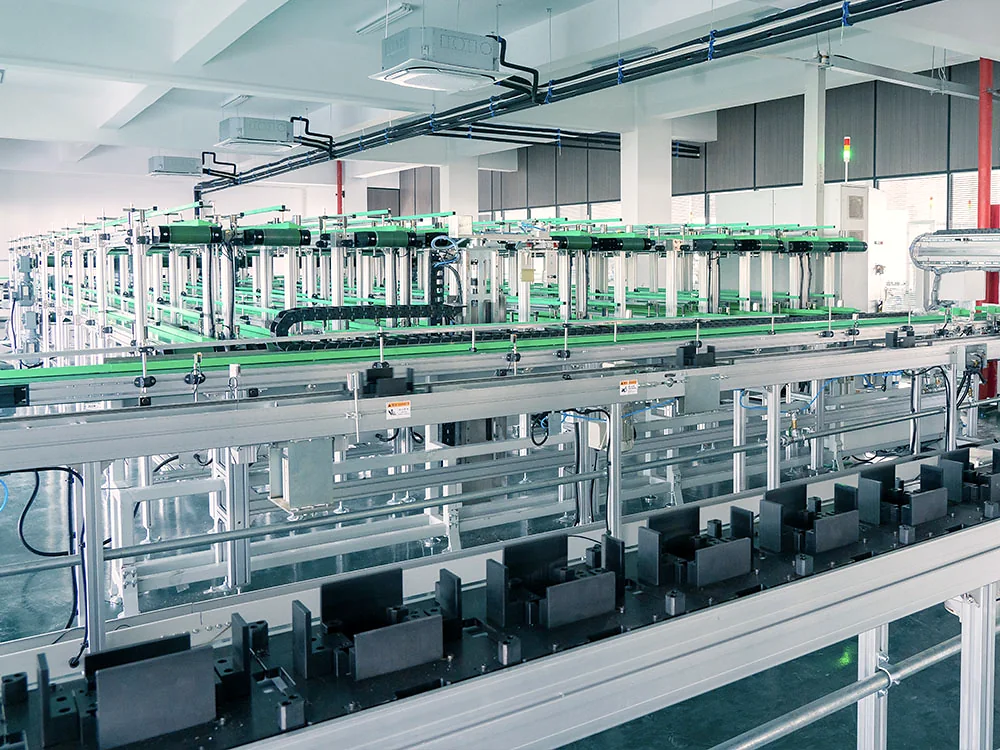
CSTRANS Conveyor Systems
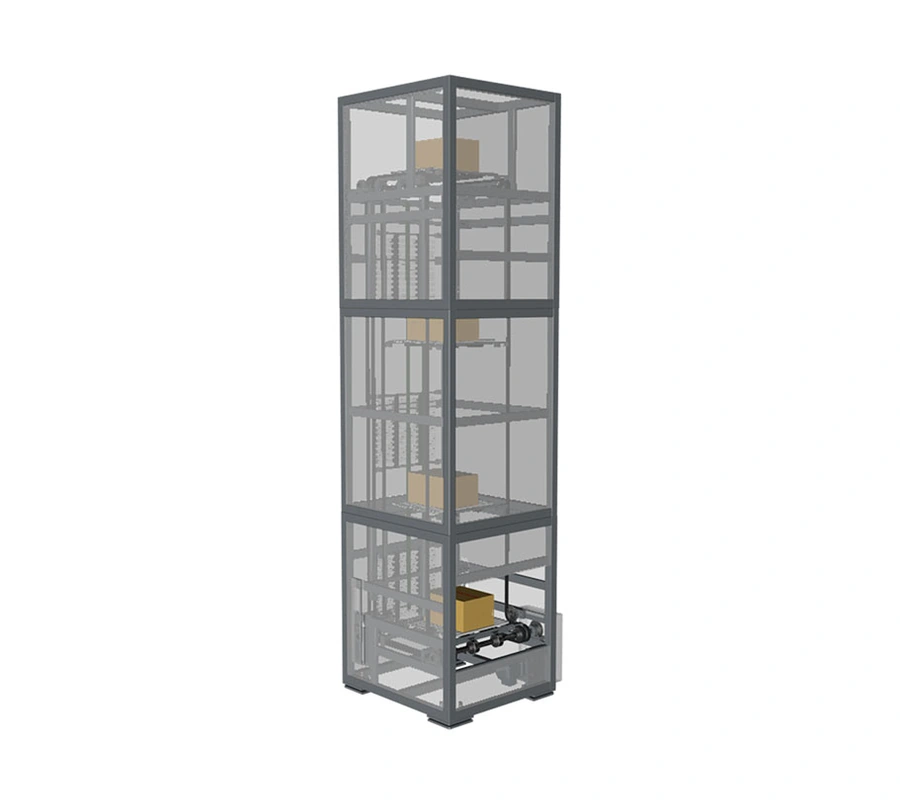
High Quality Continuous Vertical Conveyor (CVCs)
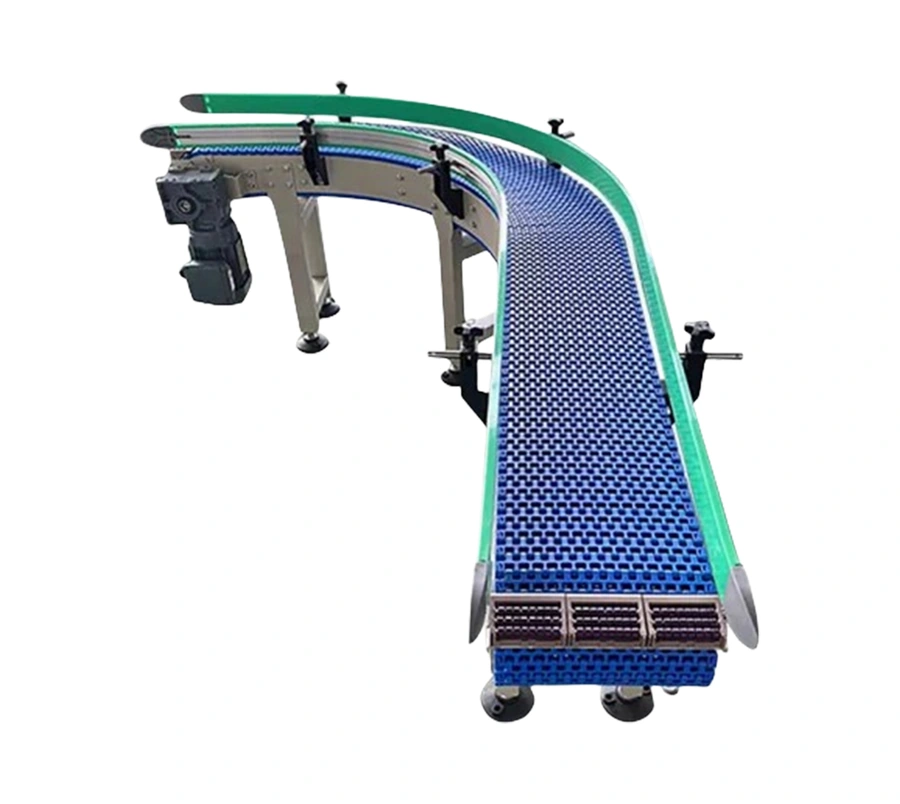
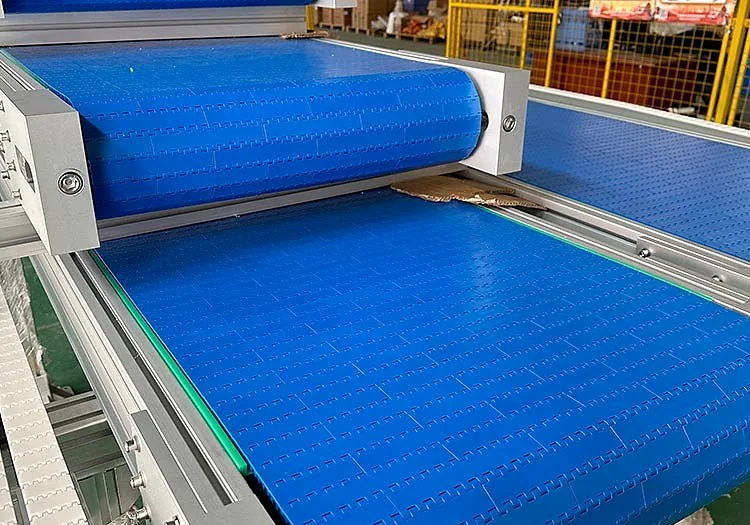
Turning Plastic Modular Belt Conveyor Systems
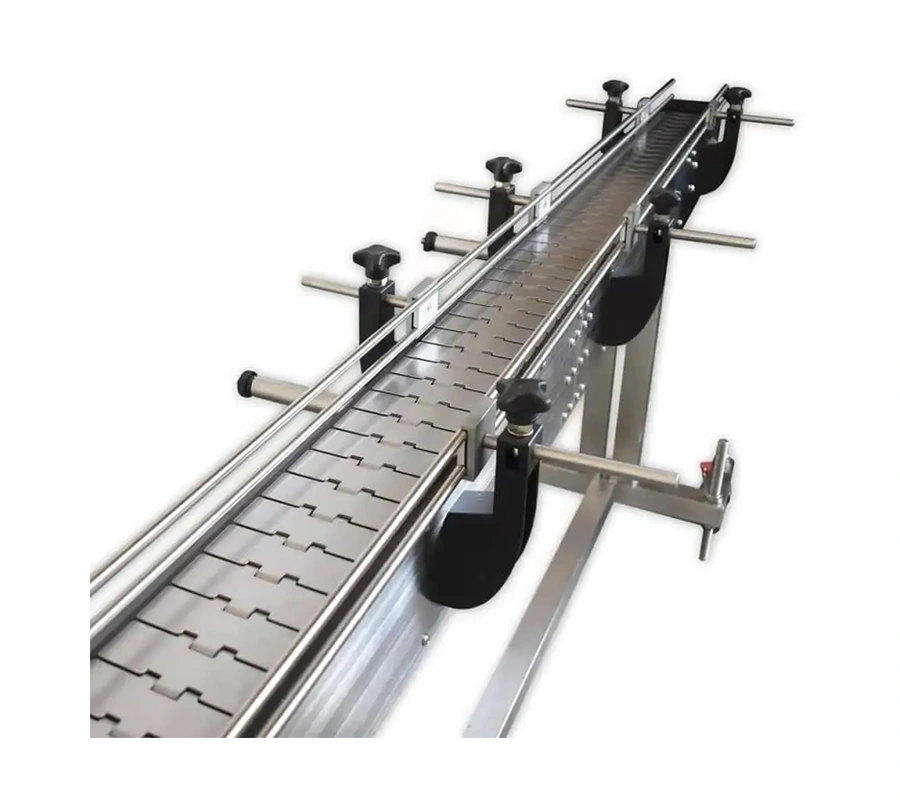
Stainless Steel Top Chain Conveyor System
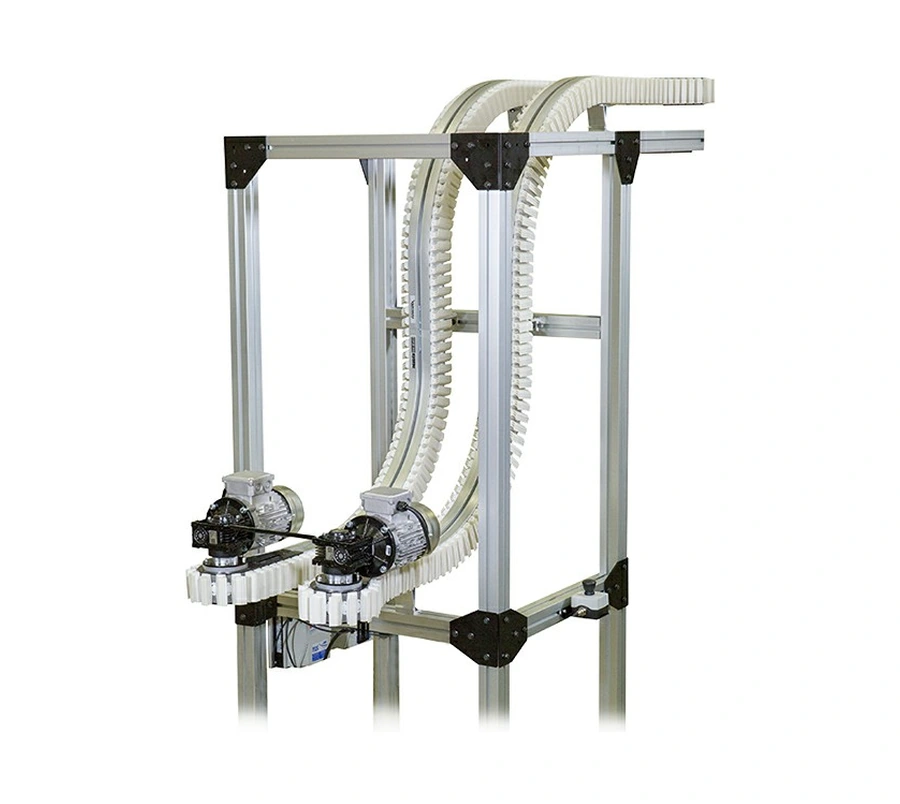
Gripper Flexible Conveyor System for Bottles
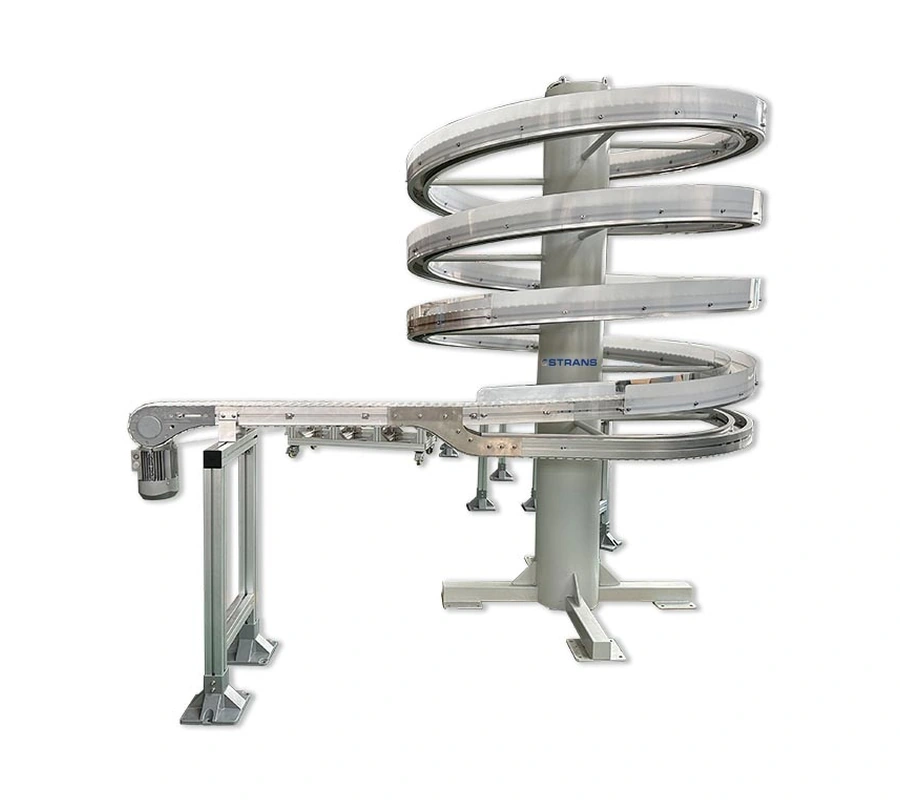
Plastic Flexible Chain Spiral Conveyor
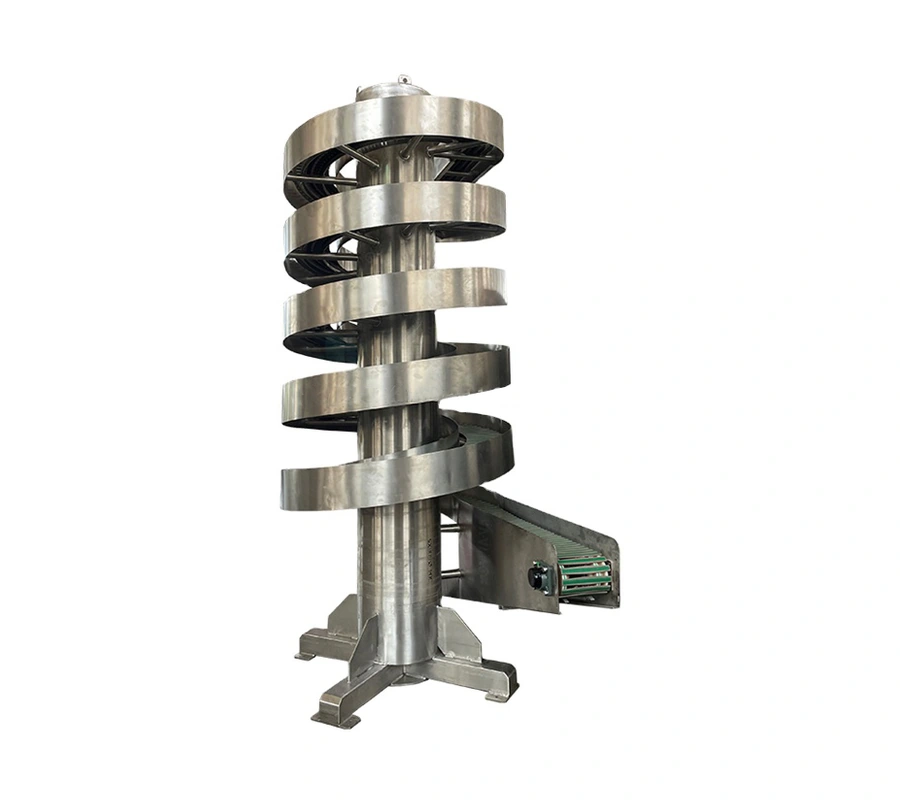
Slat Top Chains Spiral Conveyor System
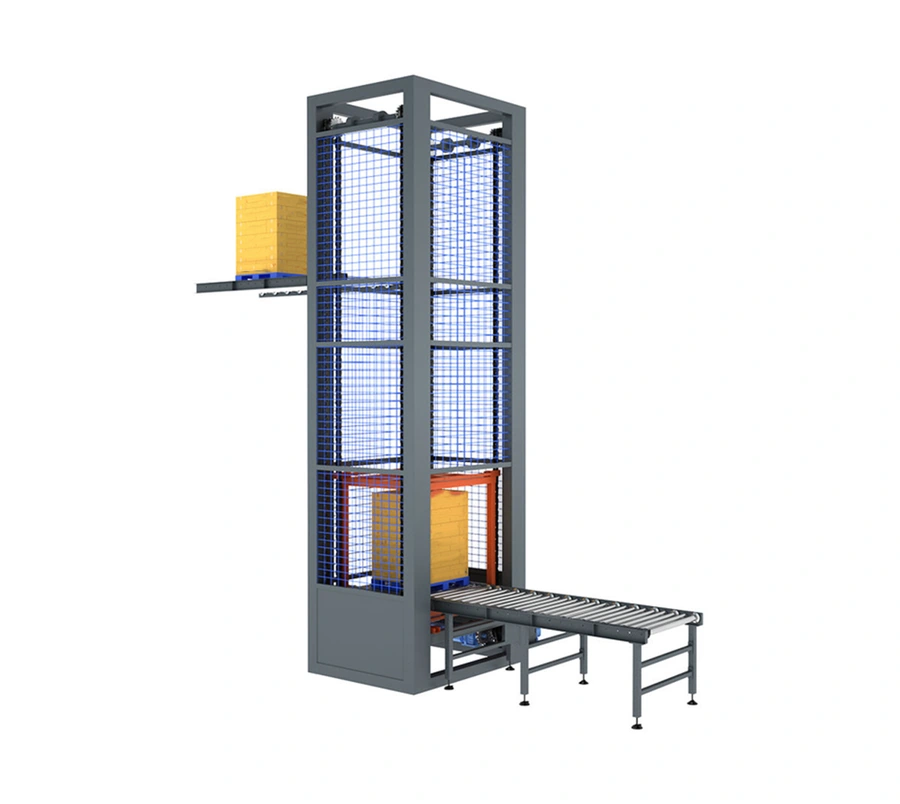
High Quality Vertical Reciprocation Conveyor(VRCs)
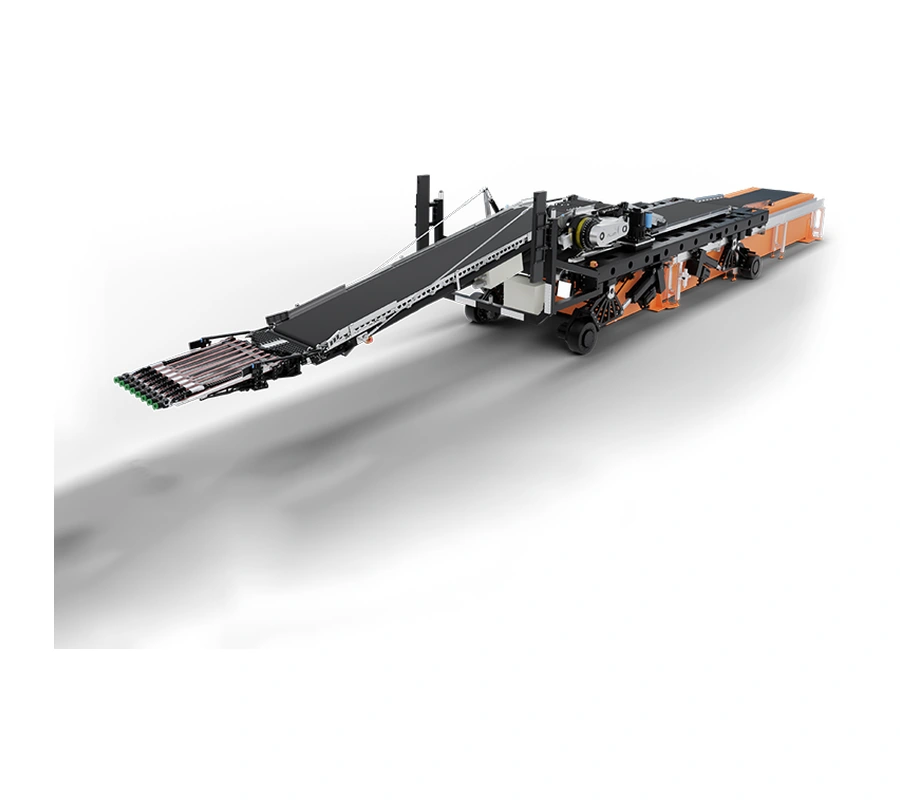
Loading & Unloading Robot
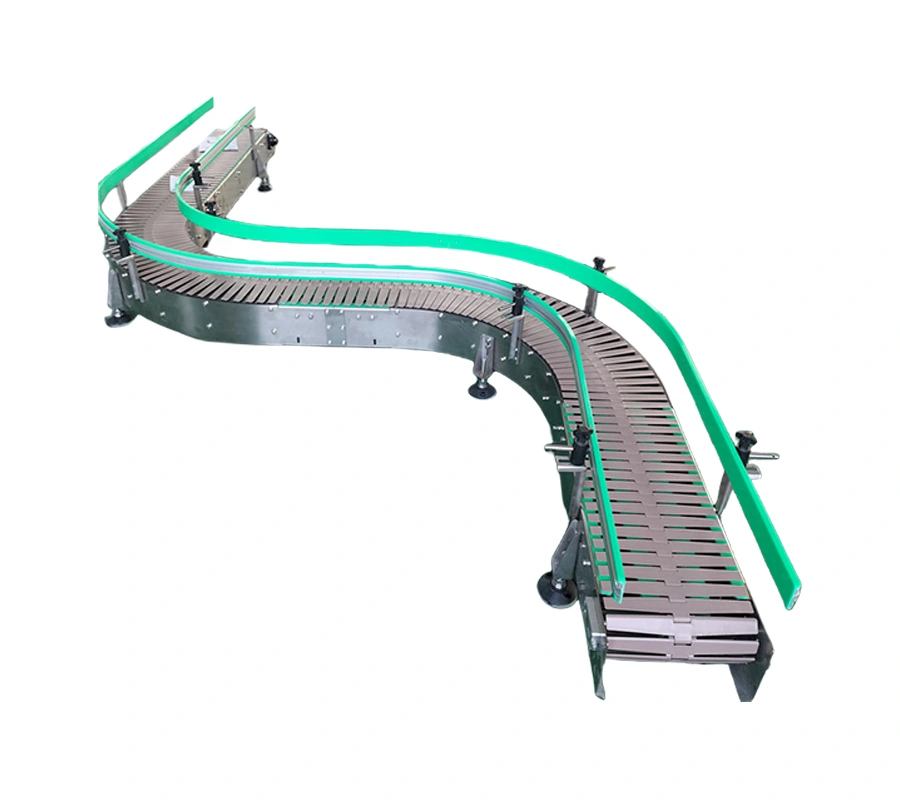
Plastic Turning Slat Top Conveyor System
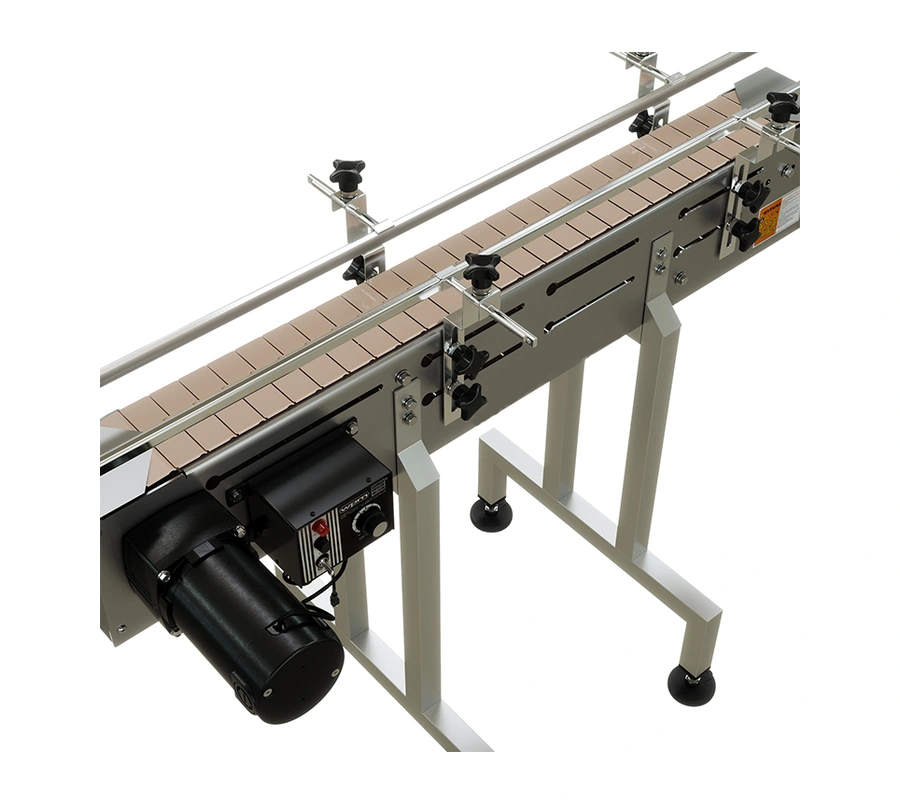
Plastic Straight Table Top Conveyor System
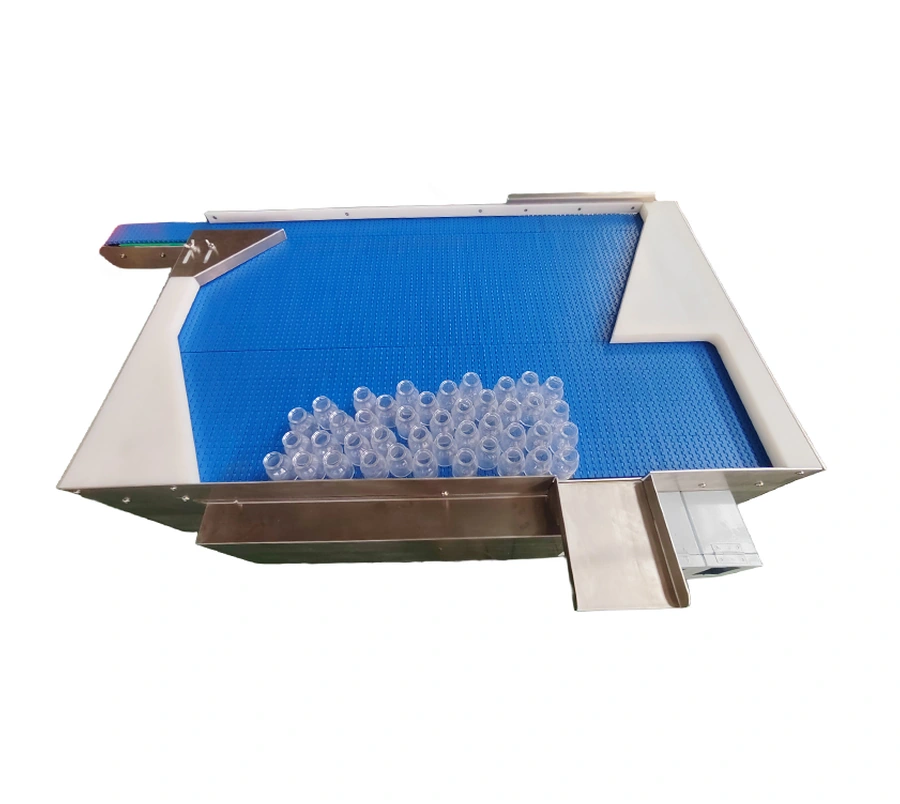
Bottle Accumulation Table Top Conveyor
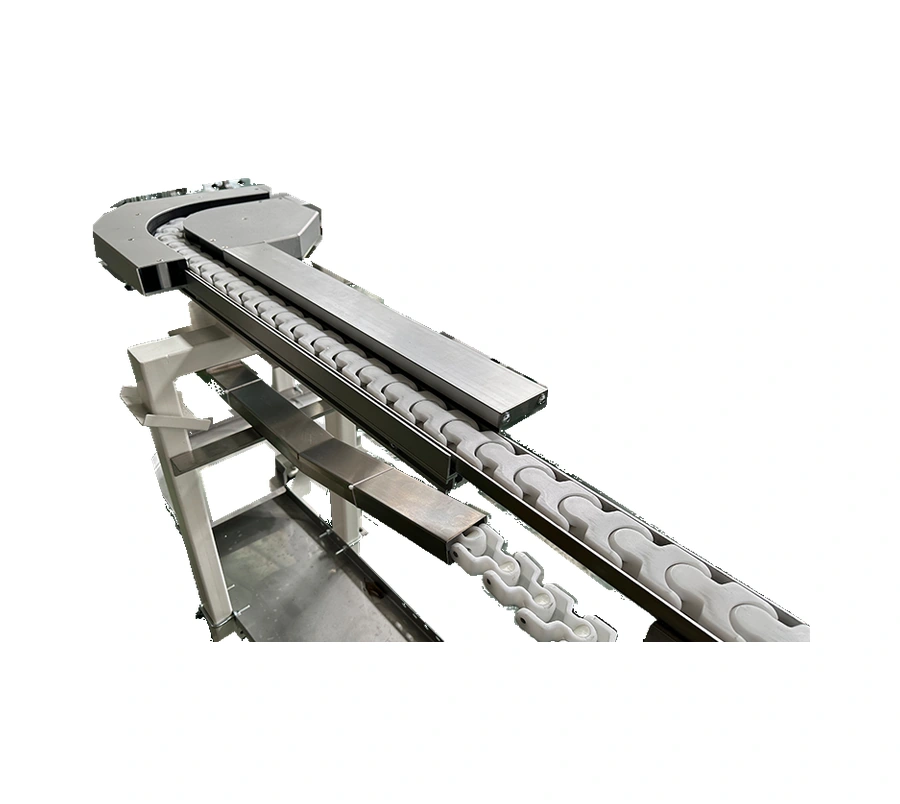
Plastic Case Chain Conveyor
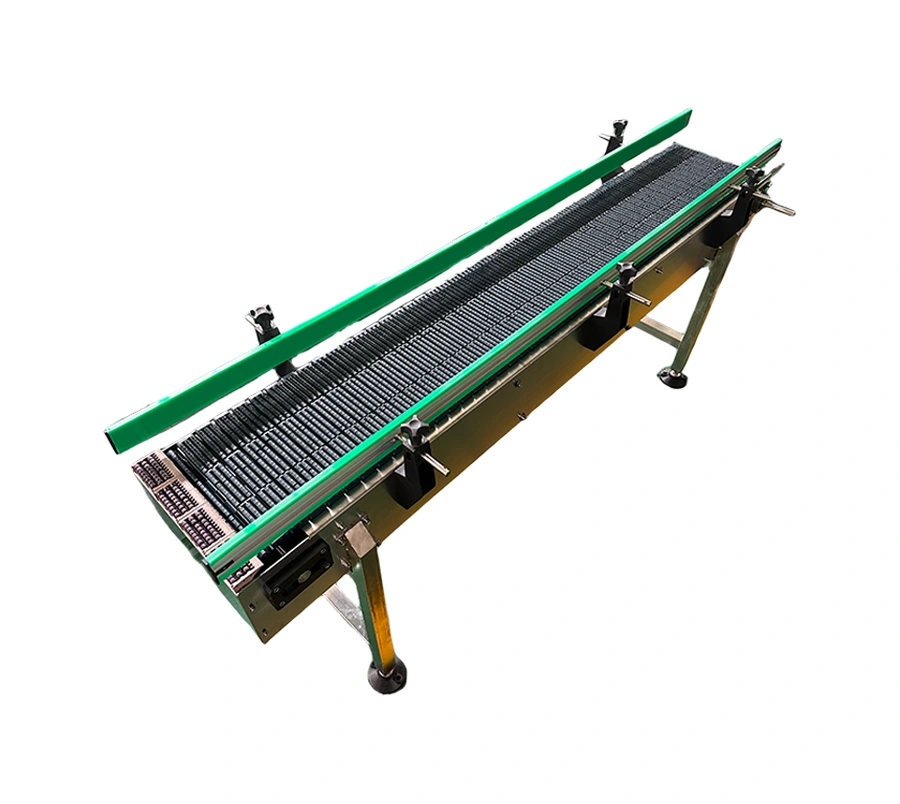
Straight Running Roller Top Chain Conveyor
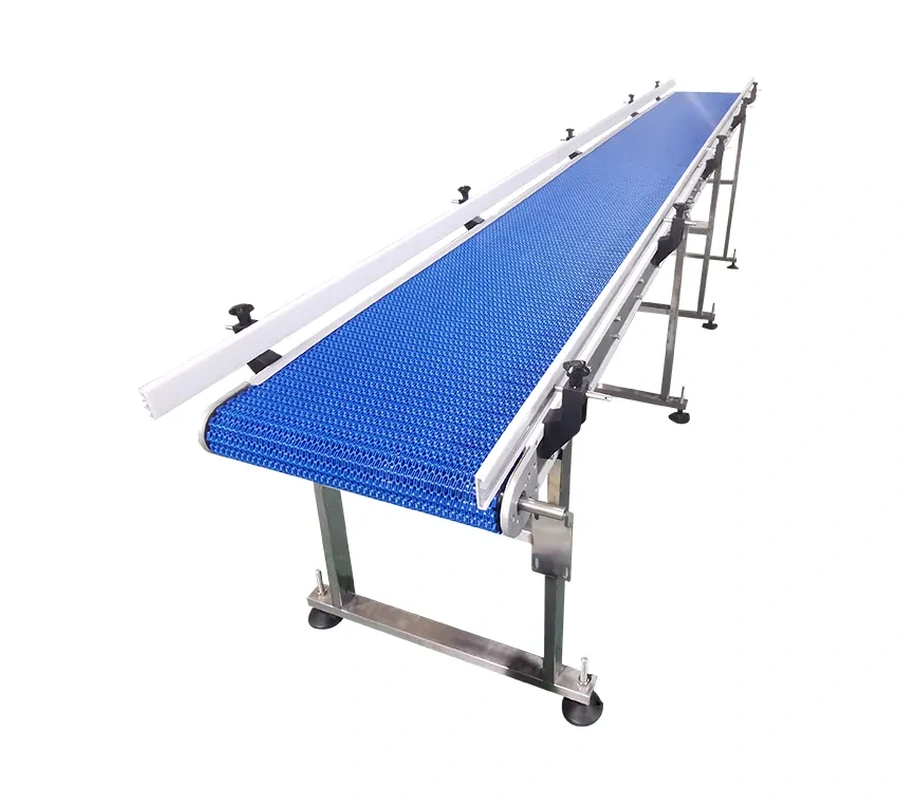
Straight Running Plastic Modular Belt Conveyor
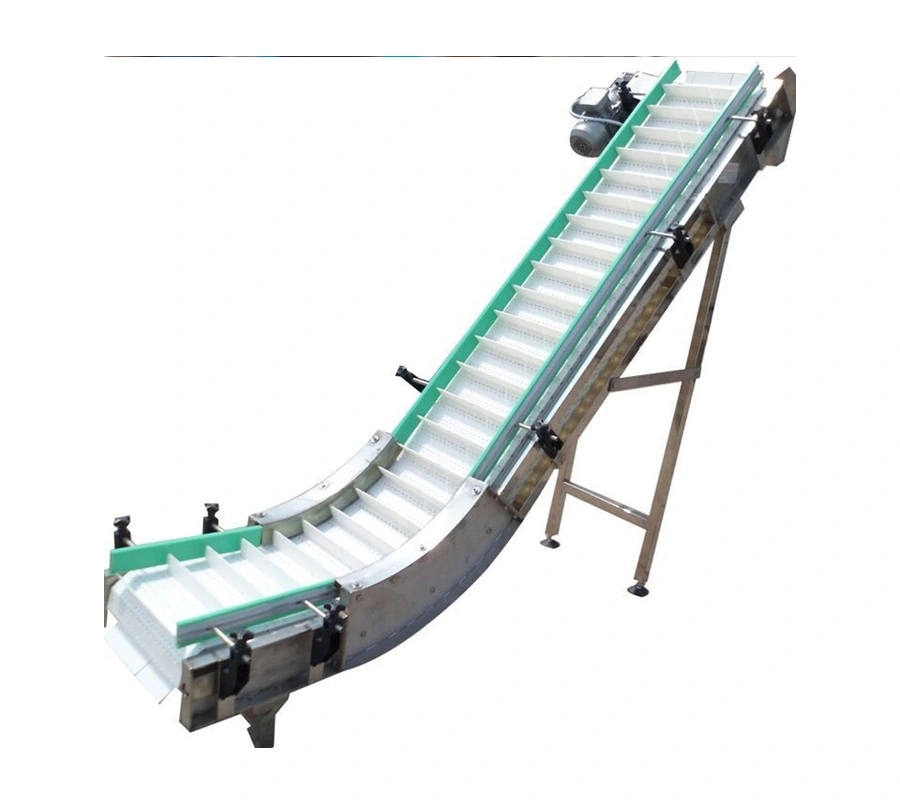
Inclined Modular Belt Conveyor
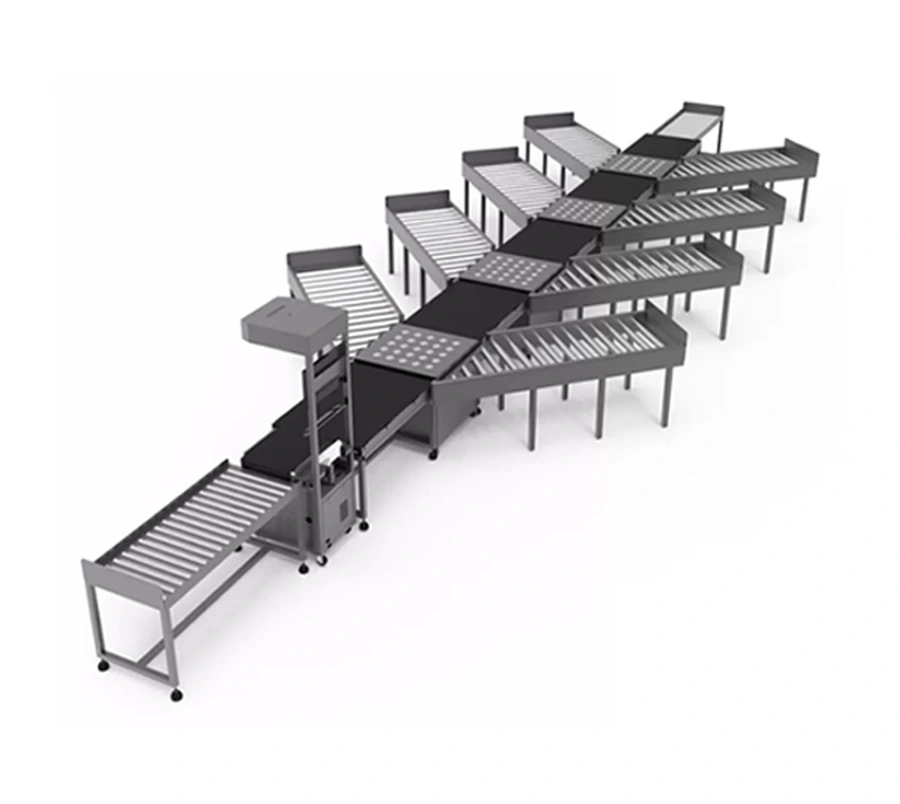
Types of Warehouse Automation-Logistics Sorting Conveyor Line
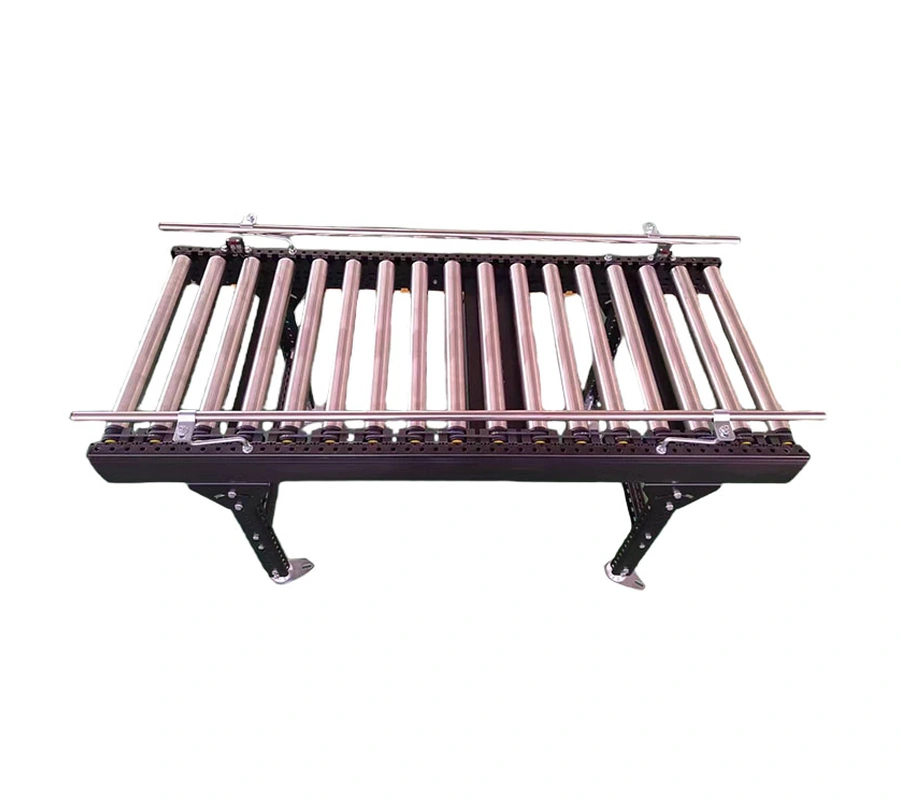
High Quality Standard Size Roller Conveyor
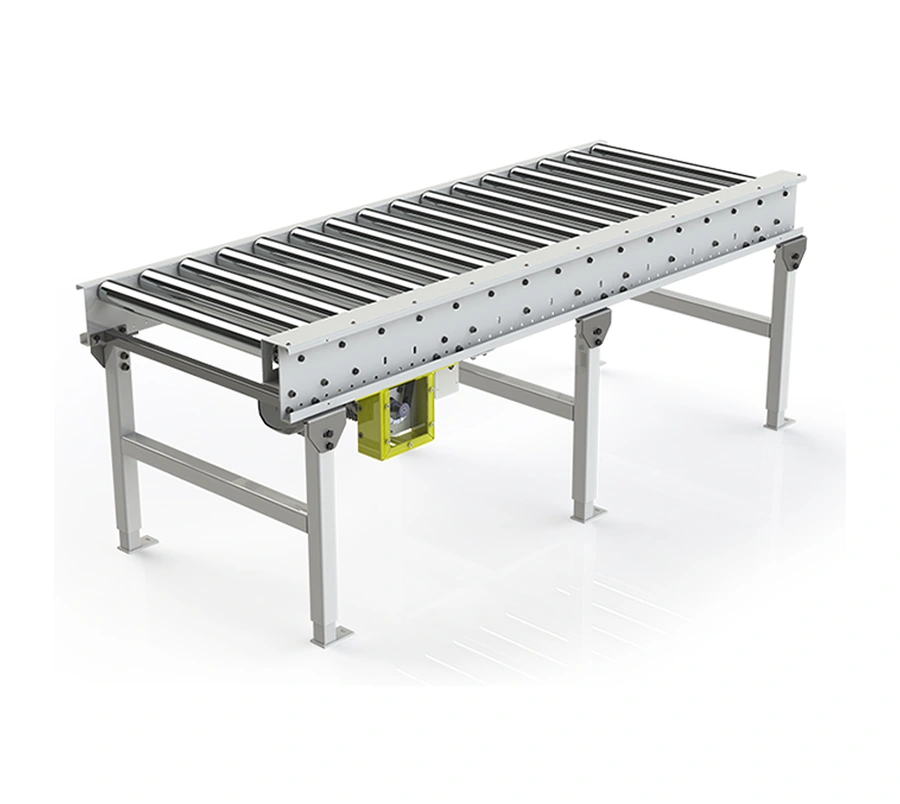
Heavy Duty Galvanized Drum Automated Roller Conveyor
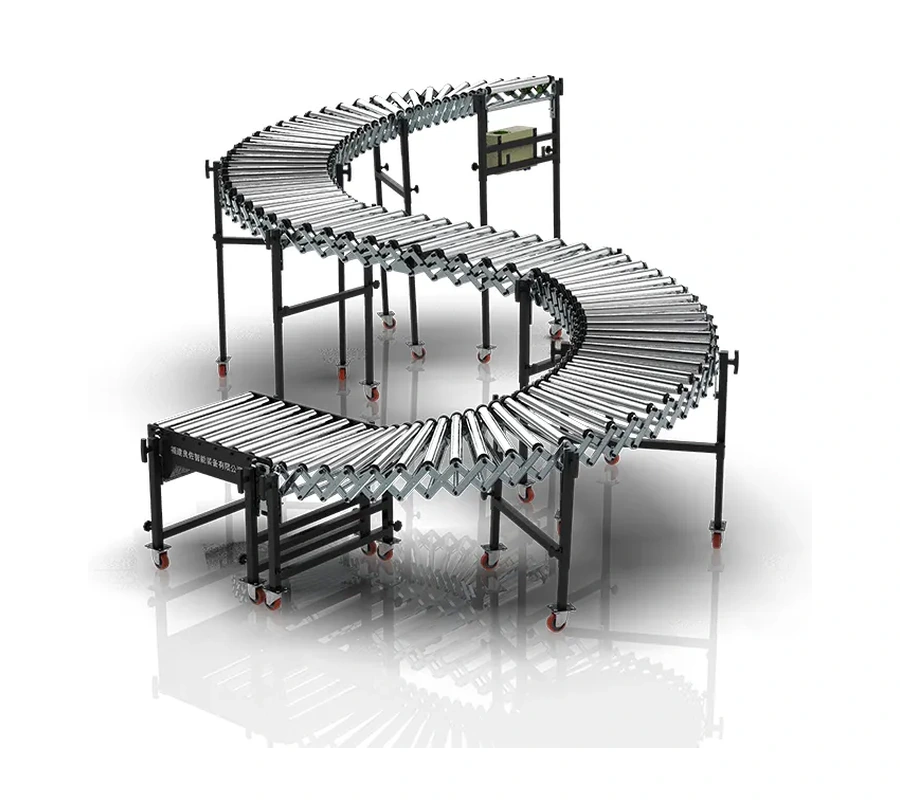
Flexible Retractable Roller Conveyor
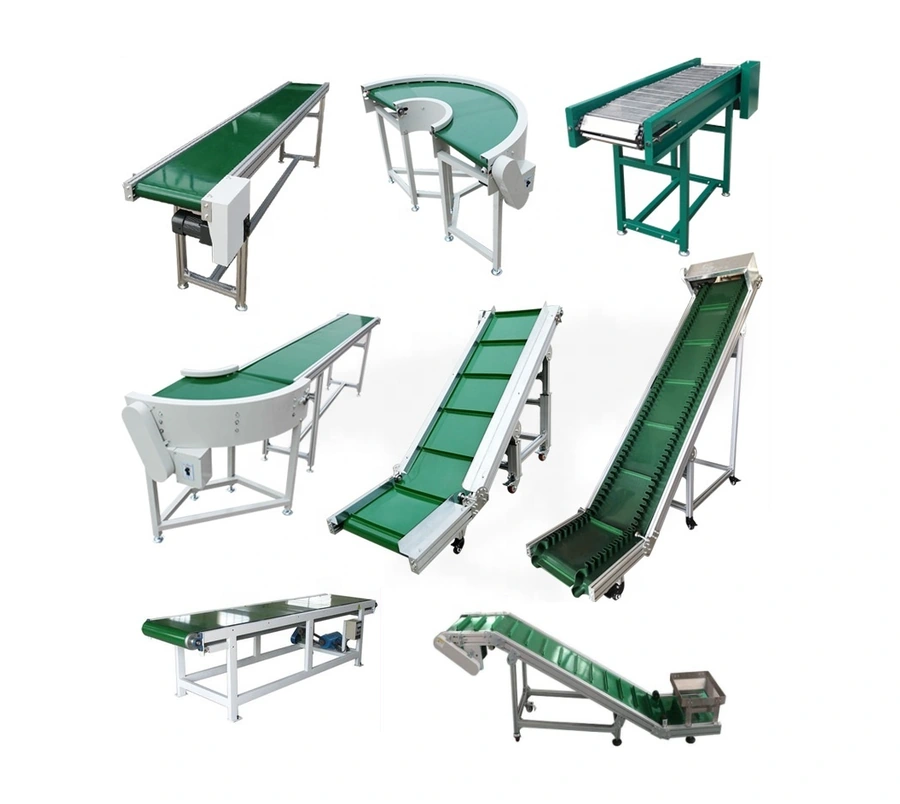
PVC/PU/PE/PGV/Rubber Belts Conveyor
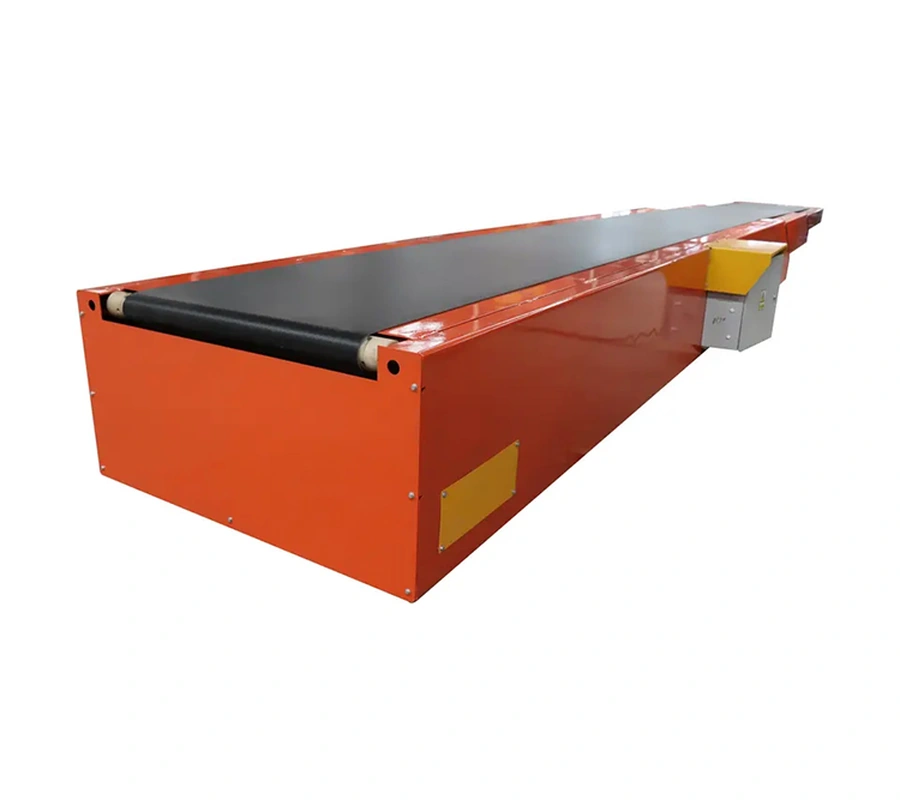
Unloading Movable Telescopic Belt Conveyor
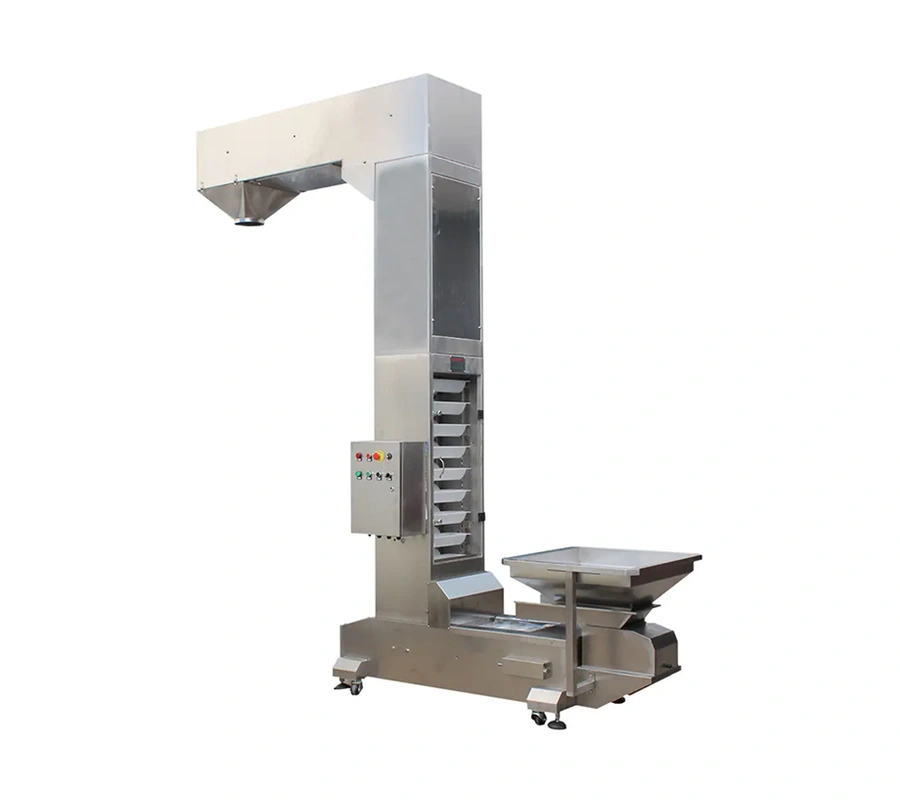
Z Type Bucket Lifts Elevator Belt Vertical Conveyor
| Handling Task | Conveyor Type |
|---|---|
| Plastic-chain transport through straight sections and bends | Flexible chain conveyors |
| Product support on a tabletop chain surface along straight or turning routes | Slat chain conveyors |
| Straight, turning or inclined transport on a belt made from linked plastic modules | Modular belt conveyors |
| Belt transport with the material and surface selected for the product-contact conditions | PVC and PU belt conveyors |
| Firm-base package transport on fixed or extendable roller routes | Roller conveyor systems |
| Transfers between levels on circulating carriers or a reciprocating carriage | Vertical lifter conveyors |
| Travel between heights along a continuous winding path | Chain-based spiral conveyors or modular-belt and continuous-belt spiral conveyors |
| Loose material raised in buckets from a lower feed point | Bucket elevators |
| Bottle handling through contact at the sides | Bottle gripper conveyors |
Conveyor Specifications by Product
| Product | Speed or Capacity | Size and Configuration |
|---|---|---|
| Plastic turning slat conveyor | Speed or CapacityStraight and side-flexing transport | Size and ConfigurationConveyor widths: 76.2 / 86.2 / 101.6 / 152.4 / 190.5 mm |
| Turning modular belt conveyor | Speed or CapacityUp to 30 m/min; maximum load up to 150 kg | Size and Configuration45° / 90° / 135° / 180° curves; 475–10,000 mm length |
| Standard roller conveyor | Speed or Capacity3–8 m/min; maximum capacity 150 kg/m | Size and ConfigurationMaximum conveyor width: 1,200 mm |
| Movable telescopic belt conveyor | Speed or CapacityConveying: 25–45 m/min; extension and retraction: 5–10 m/min | Size and ConfigurationBelt widths: 600 / 800 / 1,000 mm |
Conveyor Operation Between Processes
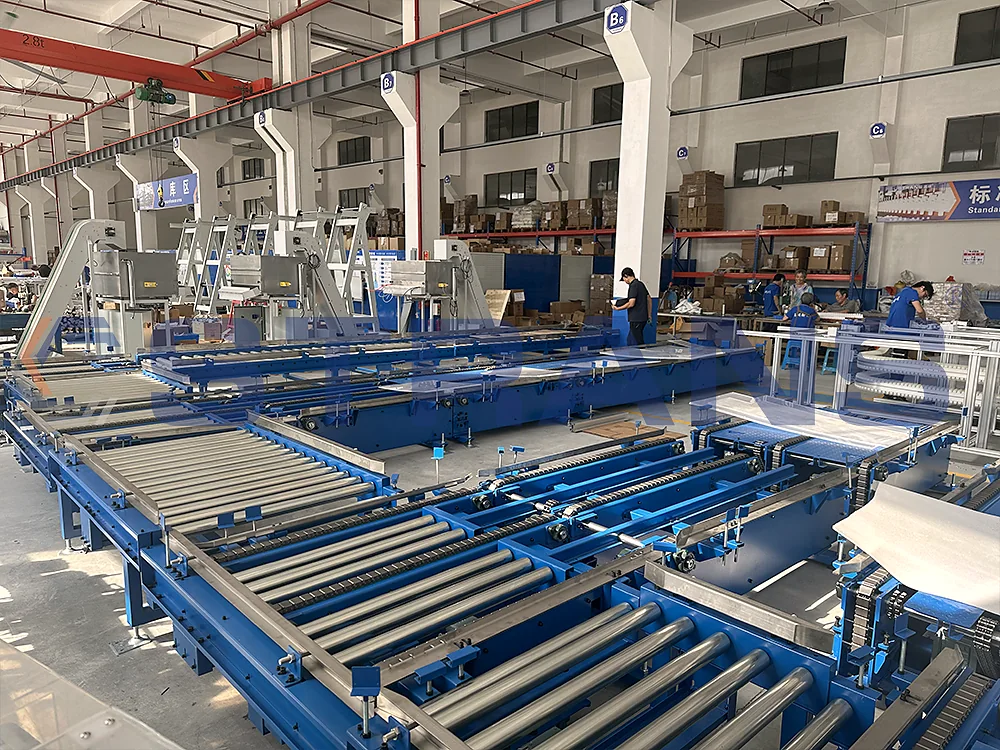
Some conveyor sections transport products continuously. Others feed a machine at intervals or provide space for products to wait. Each task places different requirements on the drive arrangement and any stopping or accumulation controls. The receiving machine's operating cycle is part of that specification.
CSTRANS flexible-chain and modular-belt systems can include automatically adjustable guide rails, stops, positioning devices and buffer sections. The guides control the product's lateral position. Stops hold it before the next operation, while positioning devices locate it at a workstation. A buffer provides space for waiting products when the next process runs at a different rate.
For a pallet enquiry, distinguish a warehouse pallet carrying goods from an assembly pallet or fixture. Review our heavy-load pallet conveyor for warehouse pallet handling and the pallet circulation guide for loaded assembly routes and empty returns. Pallet-based roller layouts can also use end lifts to connect an upper production route with a lower empty-pallet return. This creates a circulation path for the pallets. The lift, stops and transfer points need to match the pallet size and the operating sequence at each end.
For workstation layouts, mark the stopping and release points and cycle times; see our roller conveyor arrangements. For packages directed to several destinations, see the logistics sorting conveyor line. Include how destinations are assigned and what should happen when a receiving point is occupied. For vehicle loading and unloading that requires the conveyor to extend along its length, review the telescopic belt conveyor. Show the loading position, required reach and space available when retracted.
Conveyor Layout and Transfer Requirements
The upstream discharge and downstream receiving points determine how the conveyor connects to the rest of the line. Their heights, travel directions and required product orientation need to be considered together.
Request a Conveyor Quote
For a conveyor quotation, send your layout and product details:
- The smallest and largest products, with loaded weights and photos of their bases.
- Route dimensions, turn angles, available turning radii, elevation changes and available floor space.
- Normal and peak product rates, plus any required spacing between items.
- What should happen when the next machine stops, including any need for products to wait.
- The operating environment, cleaning method and access needed around the equipment.
Mark both transfer points and the adjoining machines on the layout. If several product formats share the line, include each format so the configuration can be discussed against the full product range.