

Blog
Blog
How to Choose the Right Types of Conveyors for Your Needs?
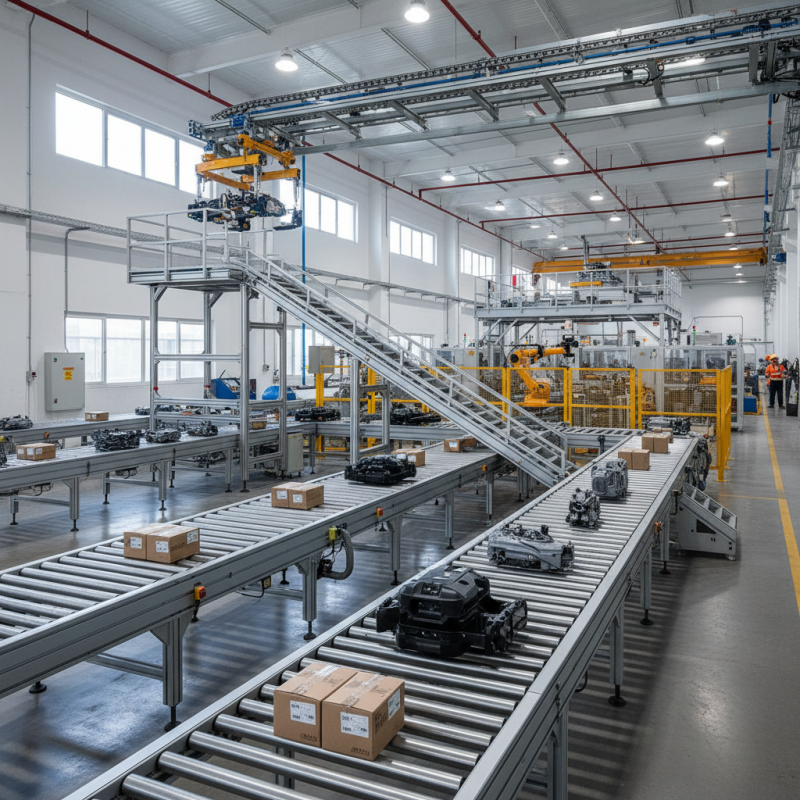
When it comes to modern manufacturing, choosing the right type of conveyor can really make or break your efficiency. I mean, according to some industry data from the Material Handling Industry of America, the conveyor market’s expected to hit around $8 billion by 2025—that’s a pretty clear sign that picking the right conveyor isn’t just a small detail. As John Smith from Conveyor Solutions pointed out, understanding your specific needs is absolutely key when you're deciding on which type of conveyor to go with. Honestly, a lot of companies tend to overlook how nuanced this choice really is. Picking the wrong conveyor can end up slowing down your production line or costing you a heap in maintenance expenses. It’s not a one-size-fits-all situation, especially with today’s supply chain demands, which are way more complex. Every operation has its own quirks and challenges that require something more tailored. So, before you make any decisions, I’d suggest taking a good look at your workflow, what kind of products you’re handling, and how much space you’ve got to work with. The world of conveyor options is pretty vast, and a poor choice could seriously hold back your growth. Sometimes, just small tweaks can…Read more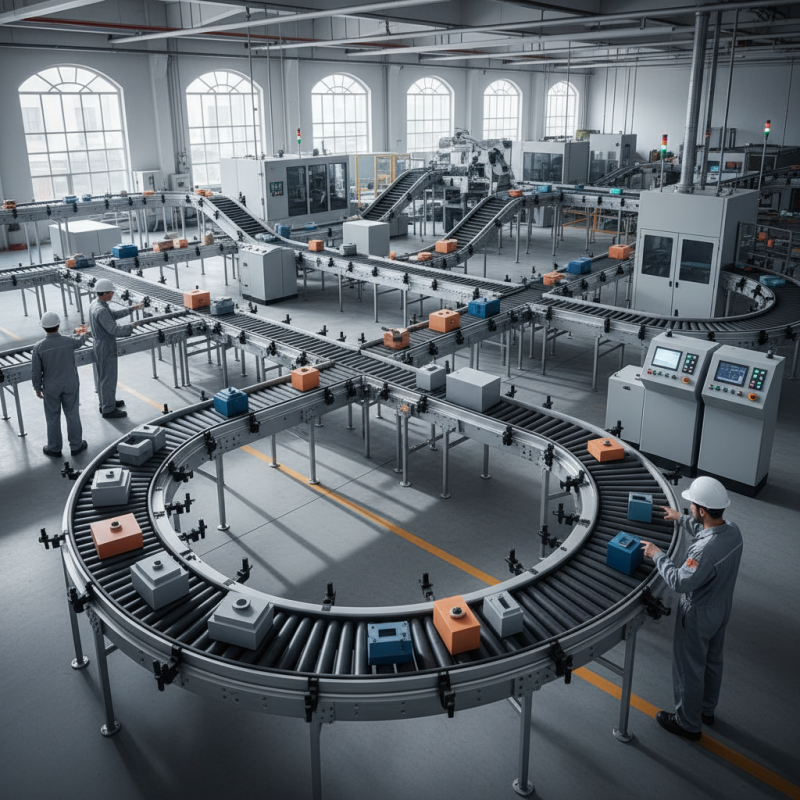
What are the Benefits of Using Curved Conveyors in Industry?
You know, curved conveyors are really changing the game across modern industries. They make it so much easier to keep materials moving smoothly, even through complex layouts. I was talking to John Smith from FlexConveyor the other day, and he emphasized just how important these systems are — he said they really help optimize space and give a boost to productivity. Pretty cool, right? These conveyors are pretty versatile. They can handle materials efficiently, especially in tight spots or tricky angles where traditional setups might struggle. That kind of flexibility totally ramps up operational efficiency. But, here's the thing: not every company sees the big picture yet. Some folks are a bit hesitant, clinging to old-school methods, which can end up costing them in the long run. Honestly, the perks are clear. They cut down on handling time and make the workplace safer. Sure, there's usually an upfront cost to install them, but honestly, the long-term savings and productivity gains usually make it worth it. For anyone serious about growing and staying competitive, diving into this tech really should be on their radar. Table of Contents[Hide] Benefits of Curved Conveyors: An Overview Curved conveyors are gaining popularity in various industries.…Read more
2026 Best Chain and Conveyor Systems for Efficient Operations?
Hey, in the fast-changing world of logistics, the Table of Contents[Hide] Overview of Chain and Conveyor Systems in Modern Operations Chain and conveyor systems are essential in modern operations. These systems enable the efficient movement of goods across various industries. They help streamline production lines, logistics, and assembly processes. However, the effectiveness of these systems often depends on their design and integration. Many facilities face challenges when integrating new chain and conveyor systems. Poor layout can lead to inefficiencies and bottlenecks. Regular maintenance is essential to avoid unexpected breakdowns. Companies must assess their workflows to optimize performance. Hearing feedback from workers can uncover hidden issues that management might overlook. Some environments may not fully utilize these systems. Operators may be hesitant to adjust their routines. Training is critical to ensure staff can operate these systems efficiently. Sometimes, existing installations may require modifications to meet production goals. Balancing innovation and practical implementation remains a constant challenge in modern operations. 2026 Best Chain and Conveyor Systems for Efficient Operations This chart illustrates the efficiency ratings of various chain and conveyor systems based on automation level and load capacity. The data indicates how these systems perform across different operational parameters. Key Features of…Read more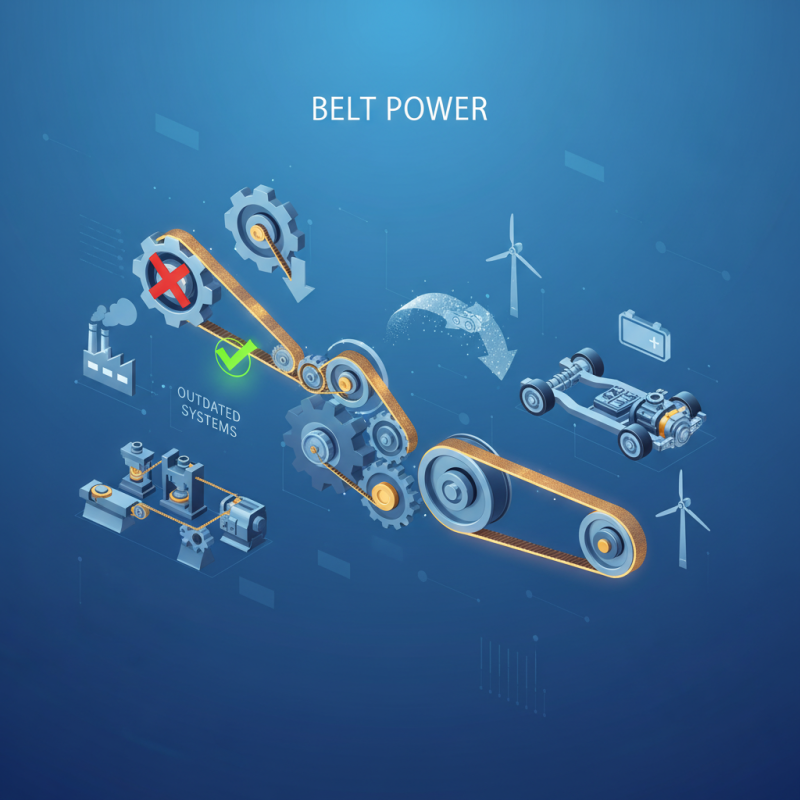
What is Belt Power and How Does it Work?
You know, Belt Power is pretty much everywhere in today's industries. It’s all about how efficiently energy gets transferred through belts — stuff we see all the time in manufacturing plants. Industry pro John Doe from Belt Dynamics even calls it "the unsung hero of mechanical systems," which kinda hits the nail on the head because it’s so crucial yet often goes unnoticed. These belt systems do a great job of cutting down energy waste and keep machines running smoothly. Honestly, they impact everything—factories, cars, you name it. But here’s the thing: loads of companies still use old, outdated belts without realizing how much that slowness is costing them in productivity. And, to be honest, understanding Belt Power can be pretty tricky. Designing the right setup isn’t exactly simple — you need some serious know-how. Smaller businesses, in particular, often struggle here and might not realize how important choosing the right system really is. Getting a good grip on Belt Power isn't just technical stuff; it can be the difference between thriving or falling behind in today’s competitive market. Table of Contents[Hide] What is Belt Power? Belt power refers to the mechanism that transmits force in machines. It is essential…Read more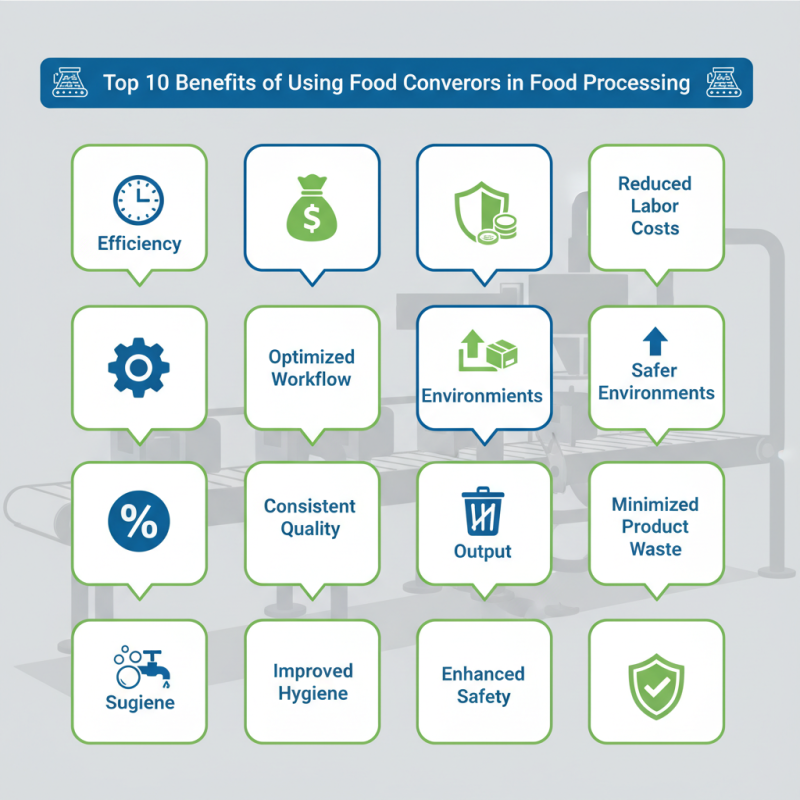
Top 10 Benefits of Using Food Conveyors in Food Processing?
You know, in the food processing world, being efficient is pretty much everything. That’s where Food Conveyor systems come into play—they’re really changing the game. These conveyors move ingredients smoothly along the line, saving time and cutting down on labor costs. Honestly, using a Food Conveyor just streamlines everything, making the work environment safer for everyone involved. Imagine a facility that’s churning out thousands of pounds of products each day. Relying on manual labor for this can sometimes lead to mistakes or slowdowns—been there, done that. But with a Food Conveyor? Those issues tend to get minimized because it helps keep things precise. Companies like ABC Conveyors have actually reported a noticeable boost in their productivity. Of course, switching over to automated systems can feel a bit intimidating at first. Training staff and figuring out new routines isn’t always a walk in the park. But honestly, the perks far outweigh the hassles. These systems crank up productivity, keep the quality consistent, and even cut down on wasted product during transit. Plus, they help improve hygiene standards—super important in the food industry. In the end, embracing innovative conveyor technology is pretty much the way forward if you want to stay ahead…Read more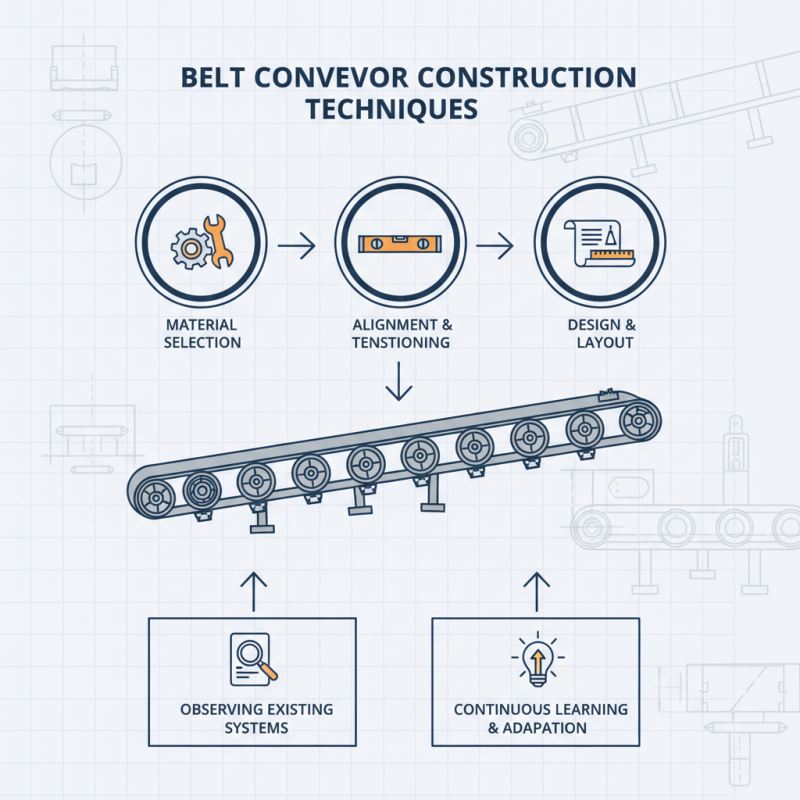
Essential Guide to Belt Conveyor Construction Techniques?
When it comes to belt conveyor construction, we're really talking about a pretty key part of industrial work. It’s not just about throwing some parts together; there’s a lot of attention to detail involved if you want things to run smoothly and safely. I recall John Smith, a well-known voice in the conveyor game, once said, “A well-built belt conveyor system can seriously boost your production.” Honestly, his words hit the nail on the head — this stuff is crucial. Building a belt conveyor isn’t just picking random parts, either. You’ve got to be careful with your choices—materials matter a lot. And don’t forget about alignment and tension—those can totally make or break the system. Skimp on those, and you could end up with costly downtime, which nobody wants. If you look at existing setups, it’s easy to spot where folks tend to slip up. Most mistakes come from rushing things or overlooking certain specs. Plus, you’ve gotta put thought into the design and layout—every project is different, so a one-size-fits-all approach doesn’t cut it. Learning from past projects helps a lot, too. Still, it’s worth remembering that no system is ever perfect right out of the box. The key…Read more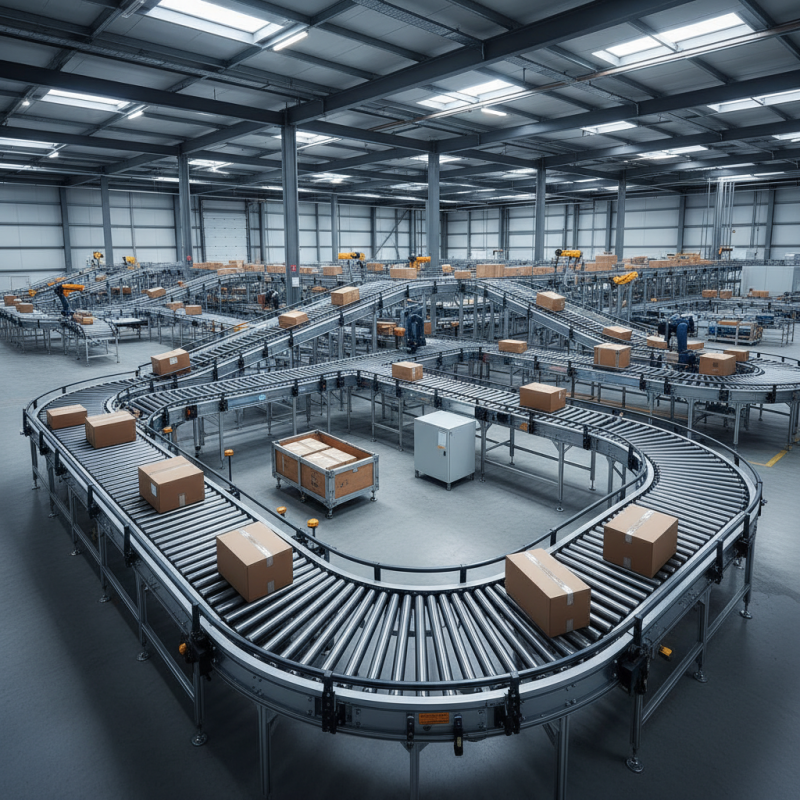
2026 Best Module Conveyor Systems for Efficient Operations?
A modular conveyor system is designed so that sections of the conveying line can be combined, replaced, extended, or rearranged as production requirements change. Instead of treating the entire conveyor as one fixed assembly, the system is divided into functional sections that perform specific transport or handling tasks. A conveyor module is one of those functional sections. Depending on the system architecture, typical modules may include straight conveying sections, curves, inclines or declines, drive sections, and transfer interfaces. These modules can be arranged to create a material-flow route that matches the production layout. Modularity can make future changes easier, but it does not make every conveyor automatically plug-and-play. Changes in line length, load, elevation, transfer points, or equipment interfaces may still require engineering verification before the modified system can operate reliably. Table of Contents[Hide] Overview of Module Conveyor Systems for 2026 In 2026, module conveyor systems are set to evolve significantly. These systems will enhance efficiency across various industries. According to a recent report by Industry Insights, the global conveyor systems market is expected to grow by 4.8% annually. This growth points to a rising demand for innovative solutions. Module conveyors, with their flexible design, can be tailored to specific…Read more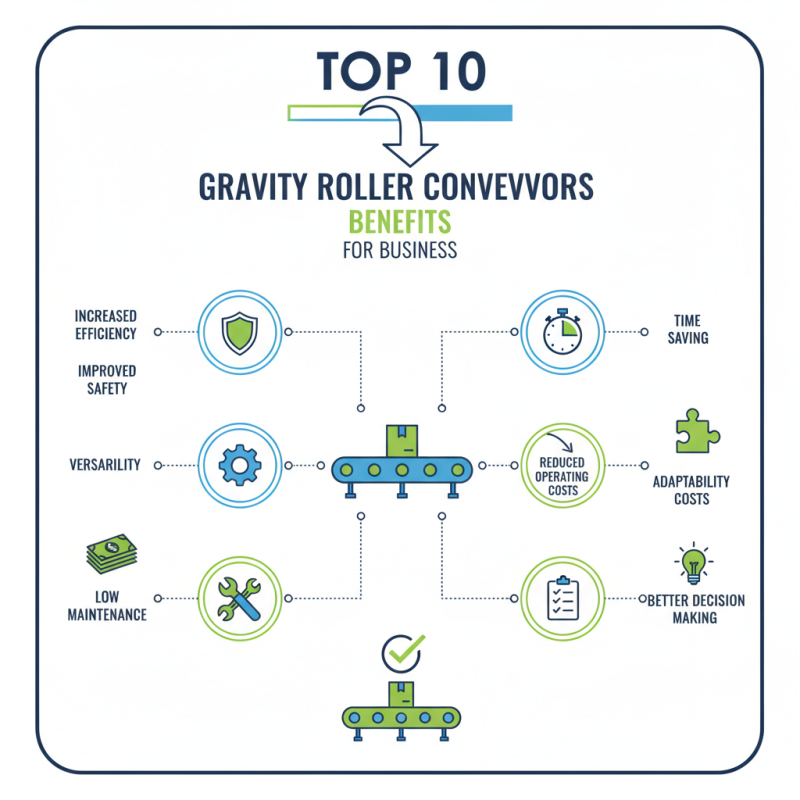
Top 10 Benefits of Gravity Roller Conveyors for Your Business?
Gravity roller conveyors have really been catching on across a bunch of different industries lately. They’re such practical tools when it comes to moving goods around quickly and safely. I’ve even heard from companies like ABC Logistics, and they’ve seen some pretty big improvements in their day-to-day operations. It’s pretty cool! One of the great things about these conveyors is how versatile they are. They can handle all kinds of stuff—light boxes, heavy pallets—you name it. That kind of adaptability really helps save time and cut down on resources. But, fair warning—not every situation will benefit equally. It’s a good idea to carefully evaluate whether they’re the right fit for your specific needs. And let’s not forget about maintenance. Compared to powered conveyors, gravity systems tend to need less upkeep, which can really help cut down costs over time. But, you’ve got to stay on top of things—regular checks and proactive maintenance are key to keeping everything running smoothly and safely. Knowing these little details can really help you make smarter choices for your business and avoid headaches down the road. Table of Contents[Hide] Understanding Gravity Roller Conveyors: A Brief Overview Gravity roller conveyors are efficient systems designed to move…Read more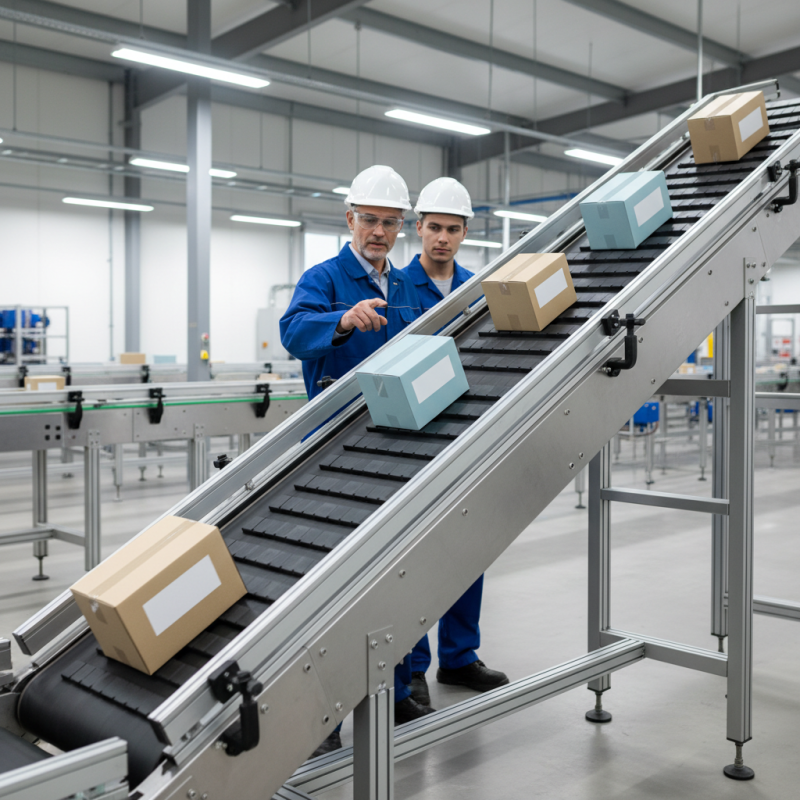
How to Choose the Right Incline Conveyor Belt for Your Needs?
When you're picking out the right incline conveyor belt, every little detail really counts. Industry expert James Carter from Conveyor Solutions puts it simply: “Getting the right angle is key to keeping things running smoothly.” He stresses how important it is to really think about what your specific needs are. Honestly, this whole process can feel pretty overwhelming, especially if you’re new to it all. Incline conveyor belts come in a bunch of different materials and designs, each with its own pros and cons. Picking the wrong one can lead to some headaches in operation—like, using a belt that's too steep might cause your materials to slip, and if the incline isn’t steep enough, things could drag on longer than they should. Figuring out what you actually need means understanding what kind of products you're moving and how much they weigh. Different industries have different requirements, of course. The right incline belt can make a massive difference in boosting your productivity, but it’s not something to rush. Take your time, think it through, and consider how this belt is going to fit into your existing setup. Trust me, a little patience here really pays off. Table of Contents[Hide] Understanding the…Read more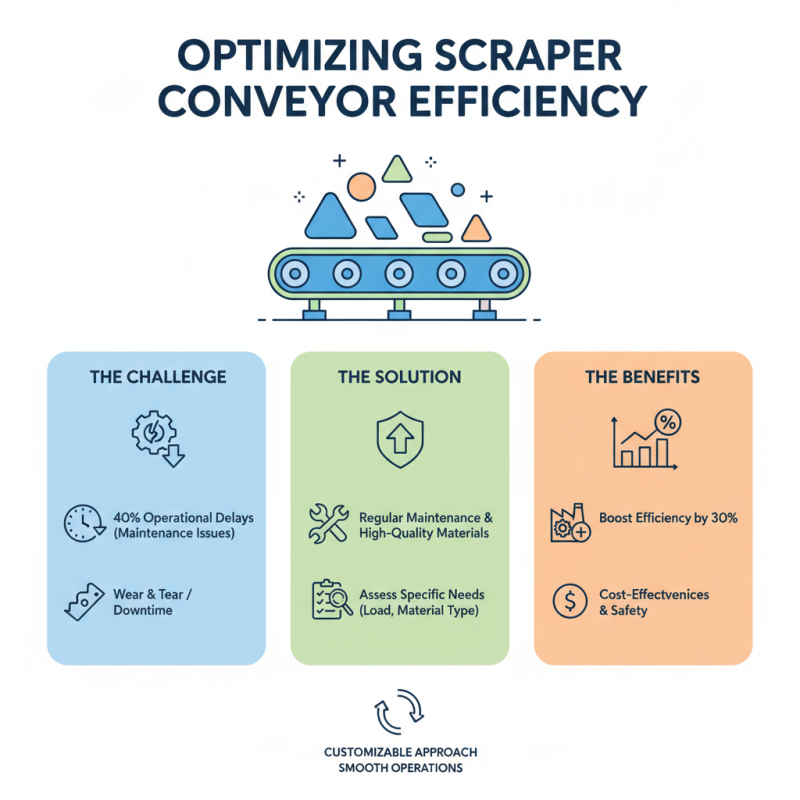
Top Scraper Conveyor Tips for Efficient Material Handling?
In the fast-moving world of material handling, keeping things running smoothly is a big deal. That's where Scraper Conveyors come into play—they've become a real game-changer when it comes to boosting productivity. I read somewhere that, according to the Conveyor Equipment Manufacturers Association (CEMA), using more advanced conveyor systems can actually increase efficiency by up to 30%. That’s pretty impressive, especially for industries like mining, farming, and manufacturing where every bit of efficiency counts. That said, making sure Scraper Conveyors perform at their best isn’t without its hurdles. A lot of companies deal with wear and tear, which can lead to unexpected downtime—pretty frustrating, right? Some reports suggest that maintenance issues are responsible for nearly 40% of delays. If these problems get ignored, it can really slow down the whole operation. Things like investing in good-quality materials for the scraper blades and doing routine maintenance are super important, but honestly, they often get pushed aside. At the end of the day, while the benefits of Scraper Conveyors are pretty obvious, really getting the most out of them means paying attention to the little details. It’s important for companies to evaluate their specific needs—like how much they need to carry or…Read more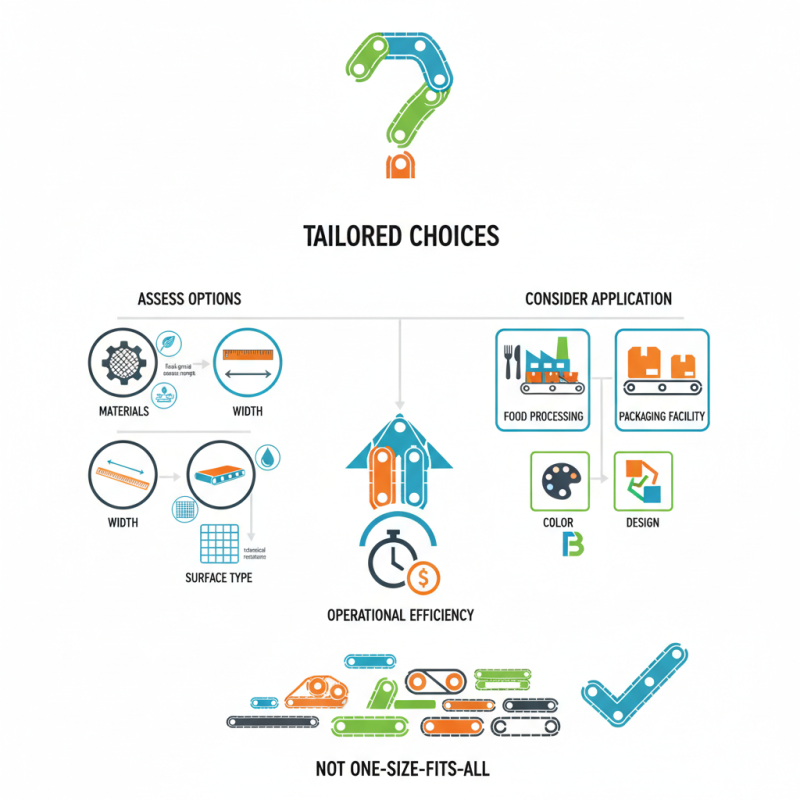
How to Choose the Right Uni Modular Belting for Your Needs?
Picking the right Uni Modular Belting can actually be pretty tricky sometimes. Every application has its own little quirks and needs, you know? I was chatting with John Smith from Modular Solutions—he’s pretty much an industry pro—and he said, "Choose your belting based on what actually works for your specific operations." That kind of advice really drives home the point that one size definitely doesn't fit all. When you’re weighing your options, don’t forget to look at things like the material, width, and surface type. For example, a food processing plant will need something totally different than a packaging factory. Oh, and color and design aren’t just about looks — especially if branding is a big deal for you. A lot of people tend to overlook these details, which can be a real mistake. Missing out on the right specs might just slow things down or cause other problems. So, it’s super important to really understand what your specific needs are. Remember, Uni Modular Belting isn’t a one-size-fits-all kind of deal. Getting it right can make a huge difference in how smoothly everything runs. Table of Contents[Hide] Understanding Modular Belting: Key Concepts and Terminology Understanding modular belting is essential for…Read more
Top 10 Benefits of Using Conveyor Stainless Steel in Industries?
You know, in today’s industrial world, 'Conveyor Stainless Steel' is really starting to get a lot of attention — and for good reasons, too. I recently came across a report from Allied Market Research that predicts the global market for stainless steel conveyors could hit around $2.2 billion by 2027. Crazy, right? This boom is mainly because industries want equipment that can handle tough conditions and last a while without giving up. Thomas Greene from Industrial Solutions summed it up nicely when he said, “The versatility of Conveyor Stainless Steel is unmatched. It really can take a beating.” From food processing to pharma industries, companies are counting on these systems to keep things running smoothly and safely. Still, I get it — some firms hold back because of the higher upfront costs. But honestly, investing in conveyor stainless steel can pay off big time in the long run. Its resistance to corrosion means less maintenance and fewer headaches, which keeps operations reliable. Basically, industry leaders need to consider all these factors carefully — picking the right materials today is crucial for future success. The chat about conveyor stainless steel is definitely changing, but there are still some hurdles to clear.…Read more