

Blog
Blog
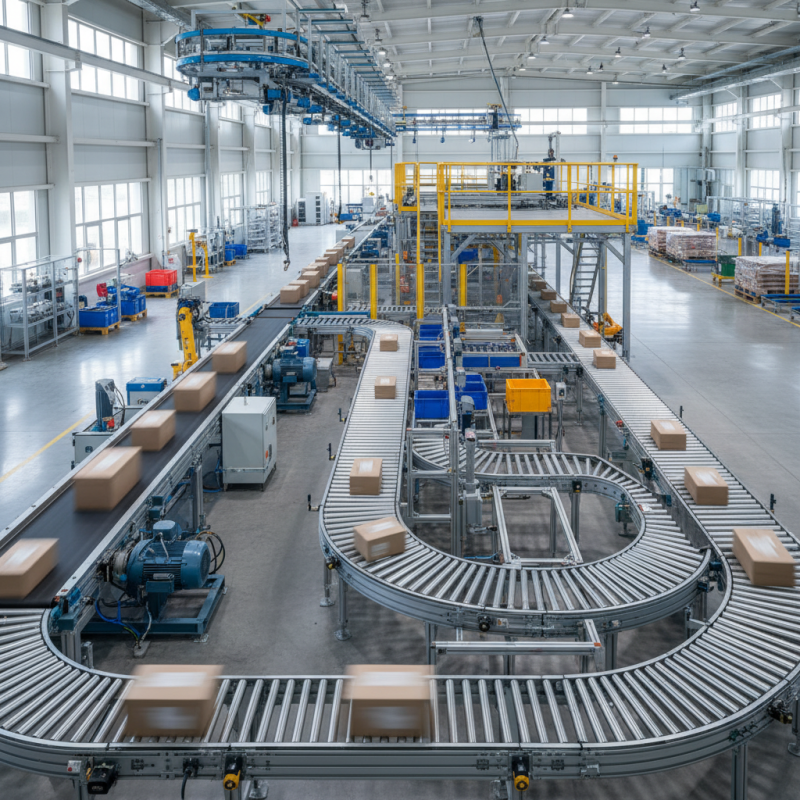
Best Material Conveyor Types for Efficient Transport Solutions?
In today’s fast-moving industry, having efficient transportation systems is more important than ever. Material conveyors really make a big difference when it comes to moving products quickly and smoothly. There are different types out there, each designed for specific needs and situations, so picking the right one is kind of a game-changer. Getting the right conveyor can seriously boost your productivity. Things like speed, how much it can carry, and the environment where it’s used all come into play. For example, belt conveyors and roller conveyors each offer their own perks, but not every type is perfect for every job. Companies like Conveyor Systems Inc. are great at customizing solutions, but, of course, there are always some challenges to figure out. It all starts with understanding your workflow. Your conveyor needs to fit smoothly into your processes; otherwise, you might be just overcomplicating things and wasting money. Regular check-ins and tweaks help keep everything running efficiently. So, don’t be afraid to keep experimenting—finding the perfect fit for your operation is all about exploring your options. Table of Contents[Hide] Types of Material Conveyors in Industrial Applications In industrial applications, material conveyors play a crucial role. They enhance efficiency and streamline processes.…Read more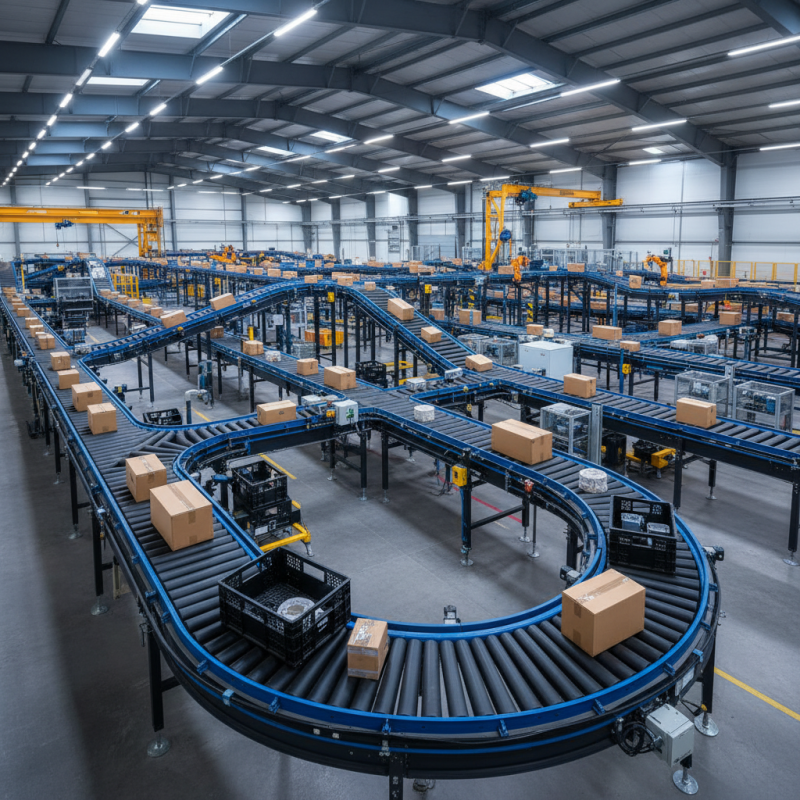
Top 10 Best Conveyor Systems For Material Handling Solutions?
A conveyor that handles cartons well may be a poor choice for loose powder, an unstable bottle, or a pallet. The difference is physical: the load may need continuous support, containment, positive engagement, controlled accumulation, or a way to change elevation without losing its position.That is why there is no universal “best” conveyor system for material handling. Belt, roller, chain, screw, pneumatic, vertical, and overhead systems solve different handling problems. Some differences are obvious from the load itself; others only appear at a transfer, on an incline, during accumulation, or where the conveyor meets a machine.The ten conveyor families below are compared by what they actually do with the load and by the conditions that limit their use. Table of Contents[Hide] Overview of Conveyor Systems in Material Handling A carton and a pile of granules can both move on a conveyor, but the conveyor is solving two different problems.With a carton, tote, tray, or pallet, the load remains a discrete unit. The conveyor has to support it without letting it tip, sag, rotate unexpectedly, or lose position at a transfer. This is why roller spacing matters for a small carton, while the same issue may be irrelevant for a pallet…Read more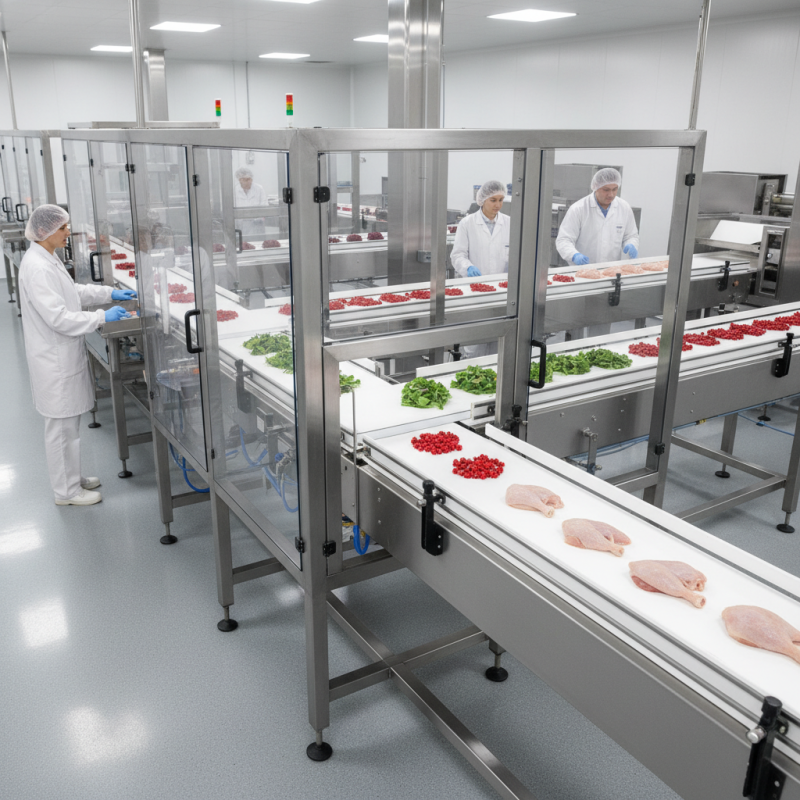
Why is Conveyor Belt For Food Industry Essential for Safety?
When it comes to the food industry, safety really can’t be taken lightly. Conveyor belts used in food processing? They’re pretty much a game-changer for keeping everything safe and hygienic. These belts are specifically designed to meet strict cleanliness standards, helping to cut down on contamination risks that can happen if things aren’t handled properly. I mean, sloppy handling can really cause some issues, right? Using conveyor systems can make the whole production process way smoother. They boost efficiency and help reduce mistakes that humans might make along the way. But, of course, it’s not all perfect—there are some challenges. Not all conveyor belts are built the same. Some may wear out faster than others, which can become safety hazards if you’re not careful. That’s why regular maintenance is a must. Choosing the right materials also makes a big difference—better quality belts tend to last longer and are safer. Plus, companies like FoodSafe Solutions stress the importance of proper training, so workers actually know how to operate these systems safely. If folks aren’t educated about handling these belts properly, accidents or food contamination can happen pretty easily. Investing in trustworthy conveyor belts isn’t just about speeding things up; it’s about…Read more
Top 10 Benefits of Using Belted Conveyor Systems for Businesses?
Belted conveyor systems really are a game-changer in today's manufacturing and distribution world. I read somewhere that, according to the Conveyor Equipment Manufacturers Association (CEMA), these setups can boost efficiency by as much as 30%. That’s pretty huge, especially considering how much companies are always trying to optimize their operations, right? With stiff competition out there, having a reliable and efficient way to move materials isn’t just a perk anymore — it’s pretty much a must for keeping profits healthy. Industries like mining and food processing practically couldn’t get by without belted conveyors. They’re fantastic for hauling large quantities of stuff over long distances, which is no small feat. And CEMA highlighted that these conveyors are pretty versatile — they can handle a wide range of materials across different sectors. But, here’s the thing — not every business will benefit equally. You’ve gotta really think about your own needs before rushing into it. Adding belted conveyors definitely has its perks — faster processes, less manual labor, and better overall flow. On the flip side, though, there are hurdles too. Major players like Amazon have totally transformed their logistics game using these systems, but getting them up and running isn’t exactly…Read more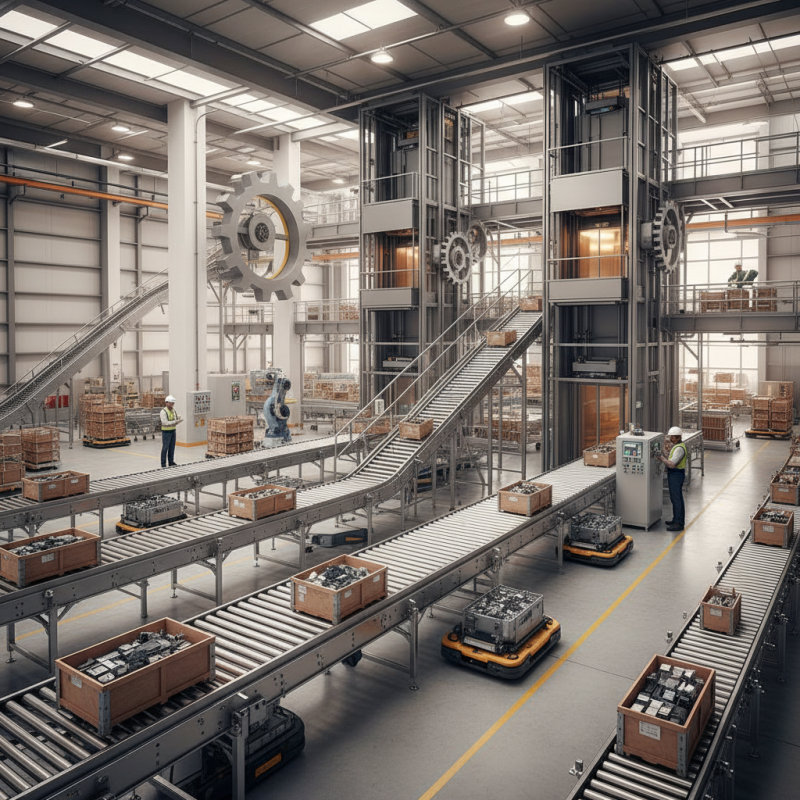
Why Are Conveyors and Elevators Essential for Industrial Efficiency?
In today’s fast-moving industrial world, conveyors and elevators really play a vital role. Someone like John Smith from Conveyor Solutions puts it well: 'Conveyors and elevators help keep things moving smoothly, saving tons of time and energy.' They’re pretty much essential for boosting productivity in manufacturing and distribution centers. Not only do these systems move materials around, but they also help cut down on labor costs and take some of the physical burden off workers. That said, if you neglect regular maintenance or let the equipment go unused for too long, things can start to go sideways. It’s really important to do regular checks—otherwise, small issues can turn into bigger headaches. When you really think about it, properly integrating conveyors and elevators can totally change how your workflow runs. But if you install them the wrong way or use outdated tech, growth can get stifled. That’s why companies should keep a close eye on their equipment and review it often. Staying on top of maintenance and upgrades lets you get the most out of these systems and keeps everything running smoothly for the long haul. Table of Contents[Hide] The Role of Conveyors in Streamlining Industrial Processes Conveyors play a crucial…Read more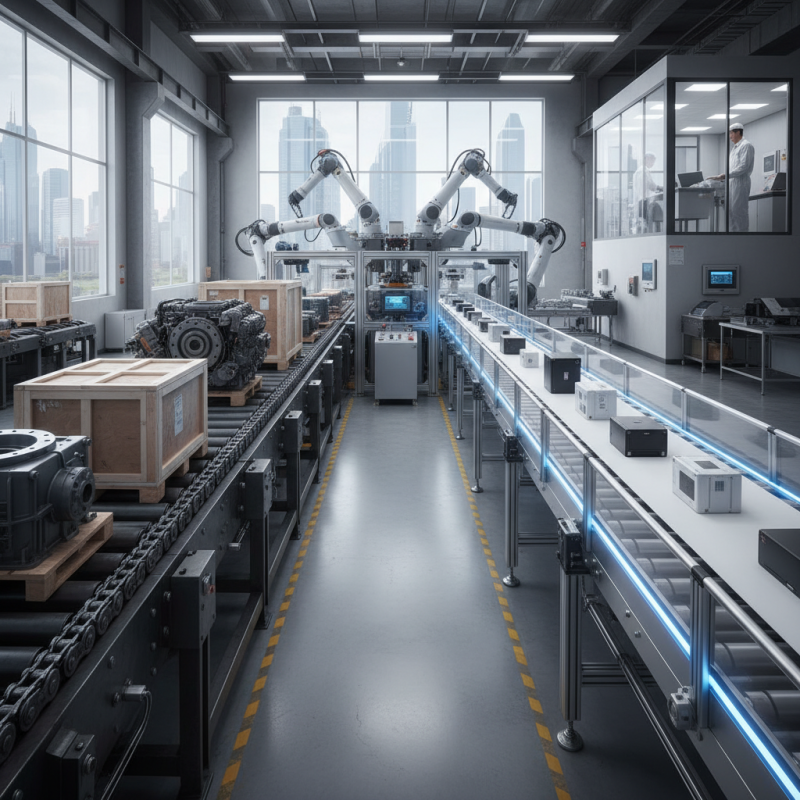
2026 Best Material Conveyors What to Know Before Buying
So, if you're on the hunt for the best material conveyors in 2026, there's quite a bit to consider. Like, these conveyors are kinda essential for tons of industries—they really help move things smoothly, saving time and effort. Picking the right one can actually make a big difference in how productive you are. Honestly, it’s not just about grabbing the fanciest brand; it’s about matching the right features to what you actually need. Some conveyors are built tough for heavy-duty stuff, while others are perfect for lighter tasks—so you gotta think about what fits your situation best. And yeah, every brand has its own little tricks and innovations, but that doesn’t mean one size fits all. Sometimes what works great in one place might not cut it in another, so do your homework. When you’re investing in a conveyor, take your time—check out brands like LASEC or BeltPro if you’re considering them, but remember, their performance can be different depending on the setup. Looking back at what’s worked or not in your past can help you avoid costly mistakes. A little research and comparison can save you a lot of headaches down the line. Table of Contents[Hide] Understanding Material Conveyors:…Read more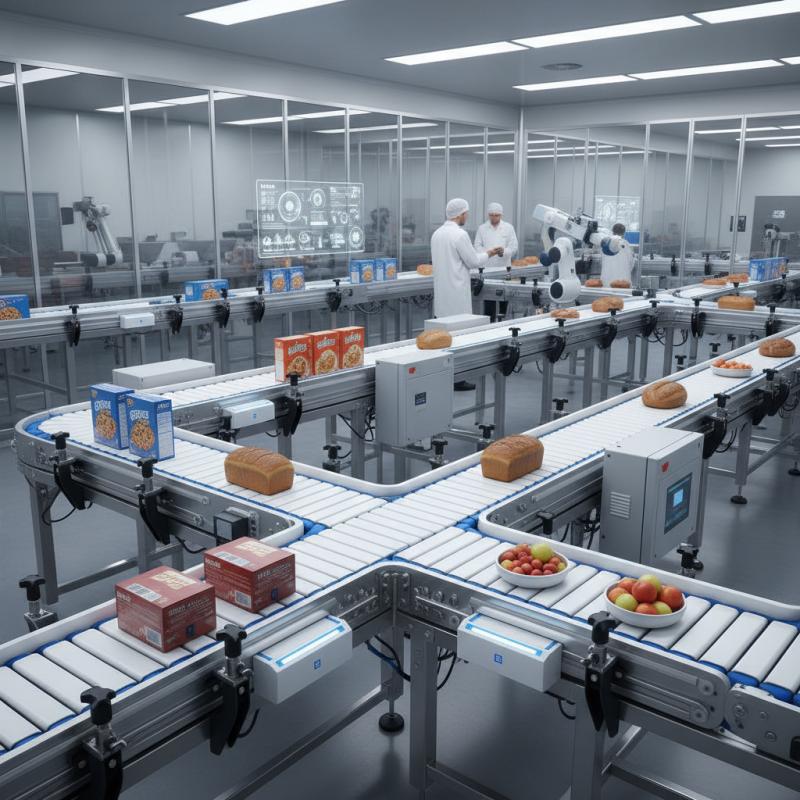
2026 Best Food Industry Conveyor Belt Options to Consider?
The food industry is changing so fast these days, and conveyor belts are now more important than ever in keeping things running smoothly. I recently came across a report from IBISWorld, which says the global conveyor belt market could hit around $7.5 billion by 2026. That’s pretty impressive, and it really shows how much demand there is for top-notch conveyor solutions tailored for the food biz. Experts figure these innovations are pretty much essential for meeting all those strict hygiene and safety standards we hear about. George Smith, who’s a pretty well-known engineer specializing in conveyor systems, mentioned that investing in the right kind of conveyor belt can actually save time and make food safety better. His point is that choosing the right materials and design isn’t just technical mumbo jumbo — it could really make a difference in how efficient a process is and how well the food holds up. But here’s the thing — not every company is keeping up with these new trends. Some are still stuck with old equipment, which can lead to all kinds of inefficiencies. Honestly, it’s worth rethinking those old practices and checking out newer options that use modern materials and tech. Staying…Read more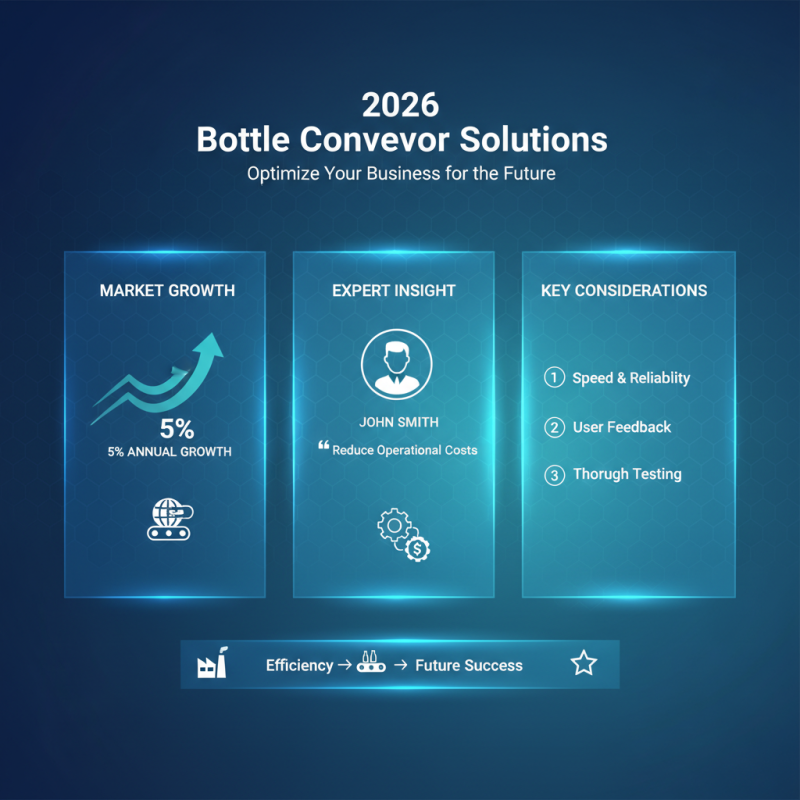
2026 Best Bottle Conveyor Solutions for Your Business Needs?
Hey there! If you're in the beverage manufacturing game, picking the right bottle conveyor system is honestly a pretty big deal. I recently came across a report from Technavio saying that the global market for these conveyors is expected to grow about 5% every year until 2026. That’s a pretty solid sign that efficiency on production lines is more important than ever. John Smith, who’s kind of a big name in automation solutions circles, pointed out something that really sticks: ‘A good, efficient bottle conveyor can seriously cut down operational costs.’ These days, it’s all about figuring out what really works for your specific setup. Getting the speed and reliability just right can make a huge difference for your bottom line. But here’s the thing—don’t forget, not all conveyor systems are created equal. Some might give you trouble with things like alignment or controlling how fast they go. The smart move? Check out what other users are saying and test things out thoroughly before you commit. Picking the right tech isn’t just about making things run smoother now; it’s about setting your company up for success down the road. Table of Contents[Hide] Overview of Bottle Conveyor Systems and Their Importance…Read more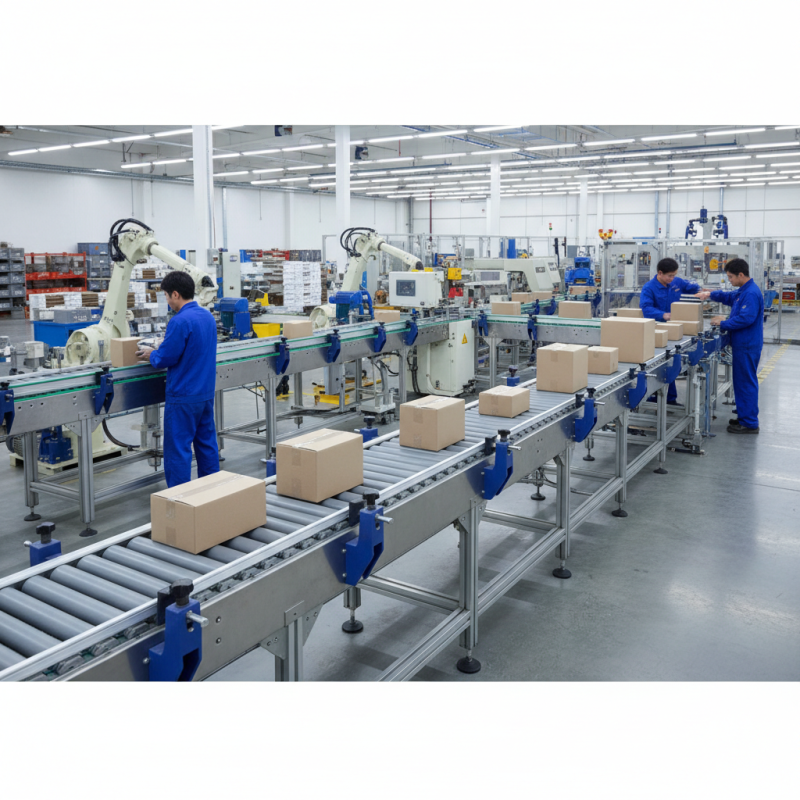
What is a Straight Modular Belt and How Does it Work?
A straight modular belt is pretty much a must-have in a bunch of different industries. You know, brands like FlexLink and Dorner are the big names in making these belts. They really offer versatile options for moving products around smoothly. What’s cool about their design is that they’re super easy to fit into existing production lines. The interlocking plastic modules form a solid surface that keeps things moving steadily. Plus, they’re quite flexible—they can handle different shapes and sizes of products, which is pretty handy. That said, not every situation is perfect for a straight modular belt. Some folks have said that installing them can be a bit tricky, and a few have run into issues with maintaining them over time. It’s important to be aware of these potential hiccups so you can get the best performance out of them. Looking at both the pros and cons really helps when you're trying to decide if they’re right for your setup. Table of Contents[Hide] Understanding Straight Modular Belts: Definition and Features Straight modular belts are an innovative solution for material handling. They are constructed from interlocking plastic modules, which provide flexibility and reliability. These belts can be customized to fit various…Read more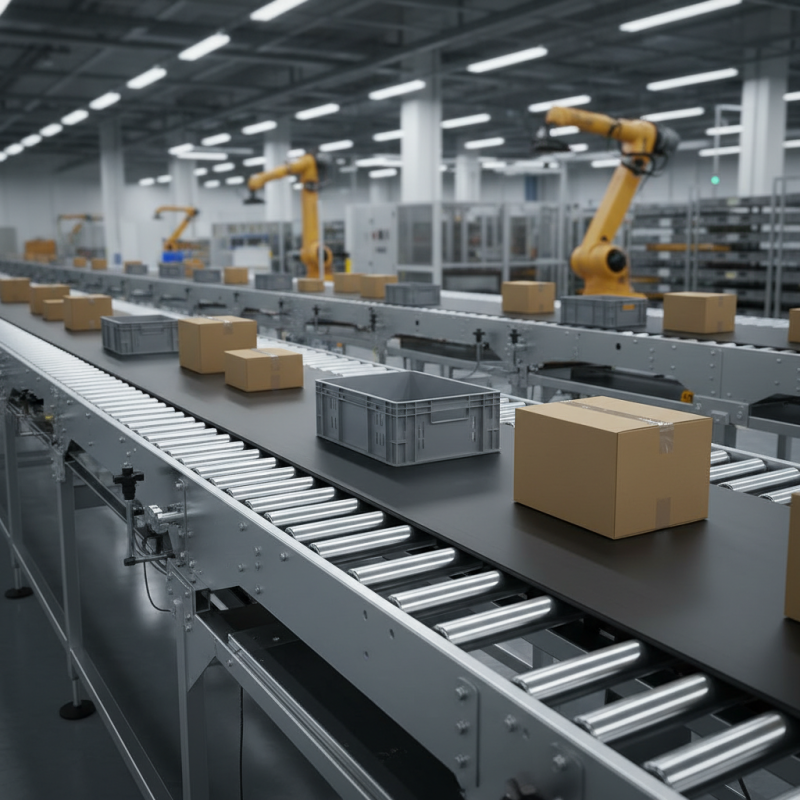
What is Conveyor Flat Belt and How Does It Work?
Conveyor flat belt systems are such a big deal in a lot of industries these days. They really make moving materials a whole lot easier and quicker. Honestly, this kind of innovation has totally changed how manufacturing and logistics work. It’s pretty impressive when you think about it. The design of these conveyor belts is surprisingly simple but super effective. Basically, you’ve got this continuous belt that runs on rollers—easy enough, right? These belts can handle hefty loads without breaking a sweat. But, here’s the thing—if you don’t keep up with regular maintenance, worn-out belts can cause a lot of trouble and slow things down. Doing routine checks really helps keep everything running smoothly. Getting to understand how conveyor flat belts work isn’t just for the tech folks; it can really help everyone stay on top of things. Sadly, many companies skip over this crucial part of their operations, and even small issues can throw off the entire workflow. There’s definitely a need for better training and awareness among workers. When you recognize just how important these belt systems are, it can truly boost overall productivity and make a big difference in day-to-day operations. Table of Contents[Hide] What is a…Read more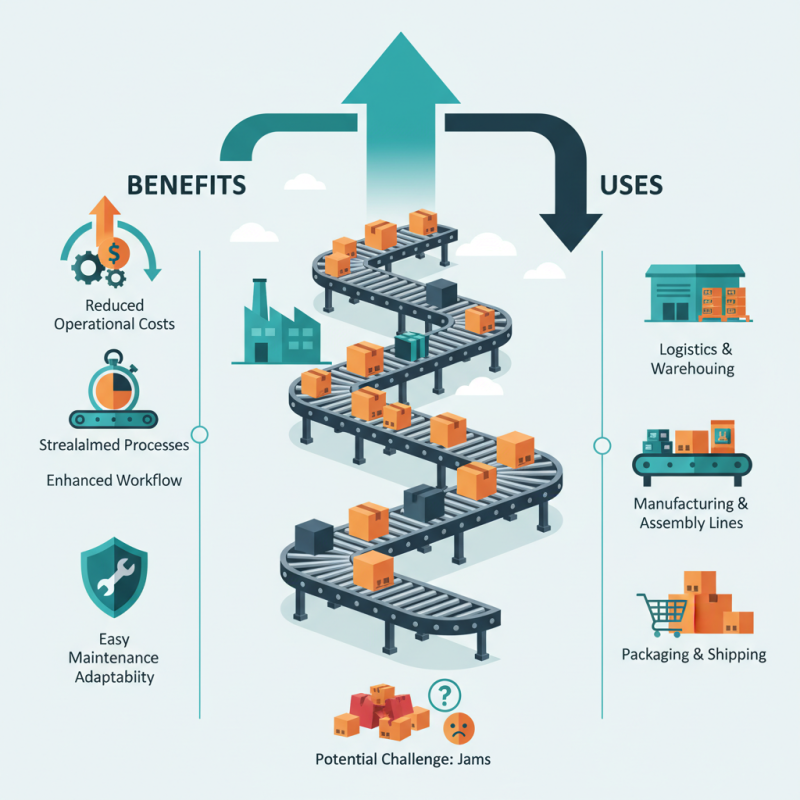
2026 Top Gravity Roller Conveyor System Benefits and Uses?
The Gravity Roller Conveyor System is really a key player in today's logistics and manufacturing scenes. It’s designed to make hauling goods around a lot easier—imagine a warehouse where products smoothly roll down these conveyors, helping everything run more smoothly. Companies like BrandX Logistics swear by how simple and efficient it is. Plus, it uses gravity to move stuff, which means you’re saving on operational costs without breaking a sweat. Of course, it's not all smooth sailing. Keeping things running without hiccups is super important; if not, jams can happen, and oh boy, that can be pretty frustrating for everyone involved. But overall, investing in this system brings quite a few perks. It boosts workflow and can adapt pretty well to different setups. That said, it’s a good idea for businesses to keep an eye on its performance and do regular maintenance. That way, you get the most out of this cool, innovative solution. It’s a bit more casual and conversational, making it sound less formal and more like a human is sharing their thoughts, with some small imperfections and natural phrasing thrown in for good measure. Table of Contents[Hide] Benefits of Gravity Roller Conveyor Systems in Material Handling Gravity…Read more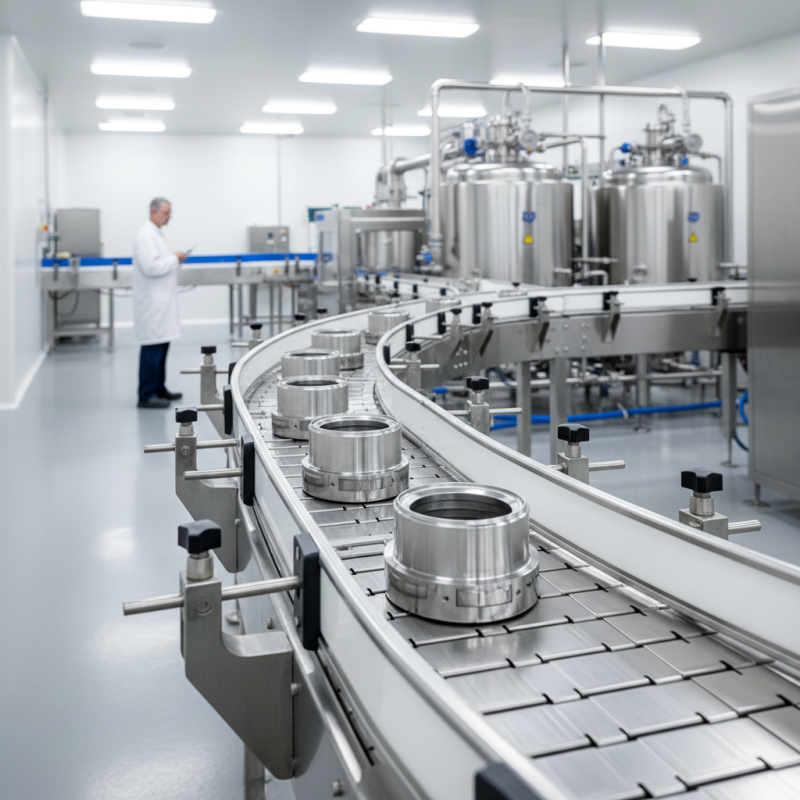
What is a Stainless Steel Conveyor Belt and its Uses?
In the world of manufacturing and food processing, you’ll often hear how essential Stainless Steel Conveyor Belts are. It’s not just about their functionality; folks like John Smith from Metal Conveyors Inc. often say they’re all about durability and efficiency. Honestly, this kinda technology has totally changed the game when it comes to moving materials around—it’s boosted productivity big time. These belts are pretty impressive—they stand up to corrosion and handle high temperatures like champs. That makes them perfect for places where maintaining strict hygiene is super important. Take food manufacturing, for example. A stainless steel conveyor belt helps ensure that products are handled safely and cleanly. But here’s the thing—there are some downsides too. The upfront cost can be pretty steep, and keeping them in tip-top shape isn’t exactly simple; you need some know-how. A lot of companies overlook these little details, but understanding the trade-offs between cost and what you get out of it is key. Manufacturers should really think about their own needs and what makes sense for their specific situation. Sure, stainless steel conveyor belts bring a ton of benefits, but it’s worth taking a step back and asking if they’re the right fit for your…Read more