

Blog
Blog
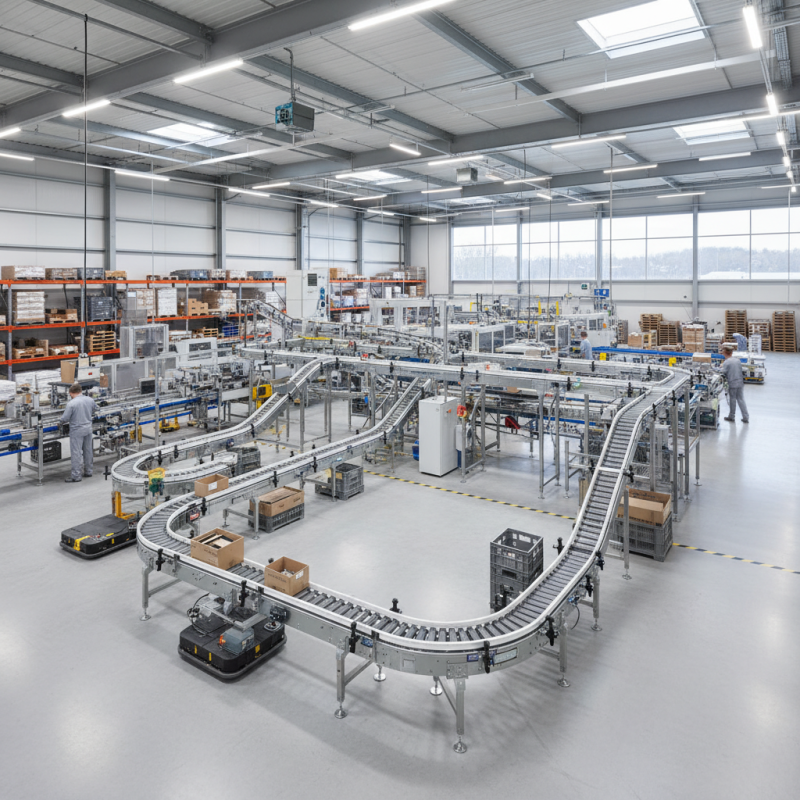
Top 10 Benefits of Flexible Chain Conveyors for Efficient Material Handling
In the evolving landscape of material handling systems, the adoption of innovative solutions is paramount for enhancing operational efficiency. One such solution that has gained significant traction in various industries is the Flexible Chain Conveyor. Designed to accommodate the dynamic needs of modern manufacturing and distribution environments, Flexible Chain Conveyors offer remarkable versatility and adaptability in transporting materials. Their unique design allows for seamless integration into existing workflows, enabling businesses to streamline processes while reducing downtime. The benefits of implementing Flexible Chain Conveyors extend beyond mere convenience; they play a critical role in optimizing space utilization and improving overall productivity. Their capability to navigate complex layouts while maintaining a consistent flow of materials makes them an invaluable asset in diverse settings, from warehouses to production facilities. As companies strive to remain competitive in today’s fast-paced market, understanding the advantages of Flexible Chain Conveyors becomes essential for any organization aiming to uplift its material handling strategies and achieve operational excellence. Table of Contents[Hide] Benefits of Flexible Chain Conveyors in Material Handling Flexible chain conveyors are gaining significant traction in material handling due to their adaptability and efficiency. One of the key benefits of these systems is their ability to navigate complex…Read more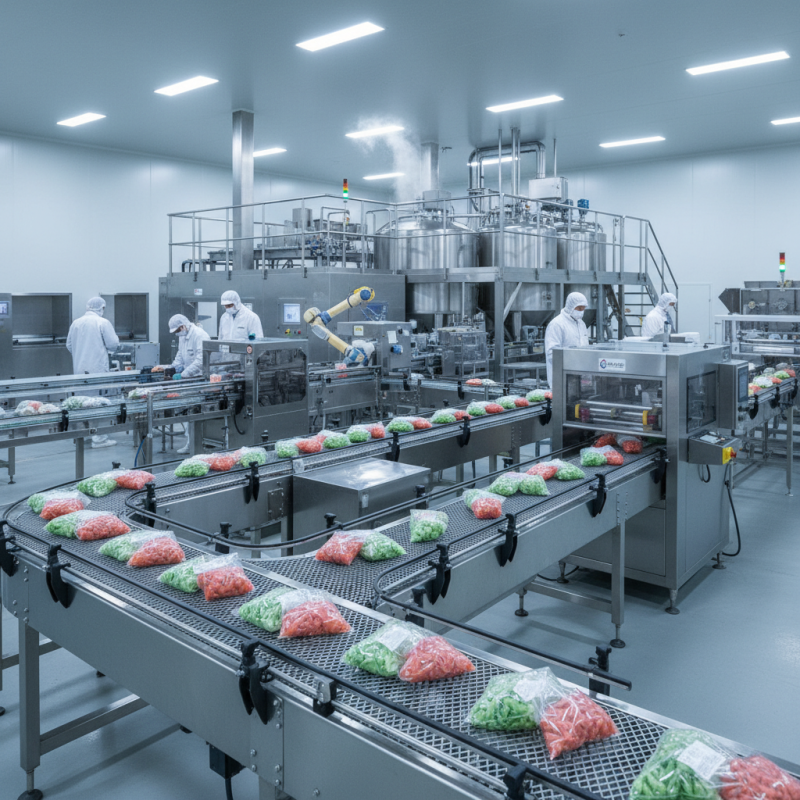
Why Choose Stainless Steel Conveyor Belts for Your Industrial Needs?
In today's fast-paced industrial environment, choosing the right conveyor system is crucial for enhancing efficiency and productivity. Among various options available, the Stainless Steel Conveyor Belt stands out as a preferred choice for many industries, including food processing, pharmaceuticals, and heavy manufacturing. According to a report by Grand View Research, the global conveyor system market size is expected to reach USD 9.32 billion by 2025, driven by the increasing demand for automation and advanced material handling solutions. One of the primary reasons for the growing popularity of Stainless Steel Conveyor Belts is their unmatched durability and corrosion resistance. Unlike standard belts, stainless steel options can withstand extreme temperatures and harsh environments, making them ideal for applications that require hygiene and reliability. The International Journal of Industrial Engineering & Management notes that the implementation of stainless steel conveyor systems can lead to significant operational improvements, reducing downtime and maintenance costs by up to 30%. Moreover, the versatility of Stainless Steel Conveyor Belts adds to their appeal. They can be customized to fit various industrial processes, from packaging and sorting to assembly and distribution. As industries increasingly focus on streamlining operations and enhancing safety, the adoption of stainless steel solutions is projected…Read more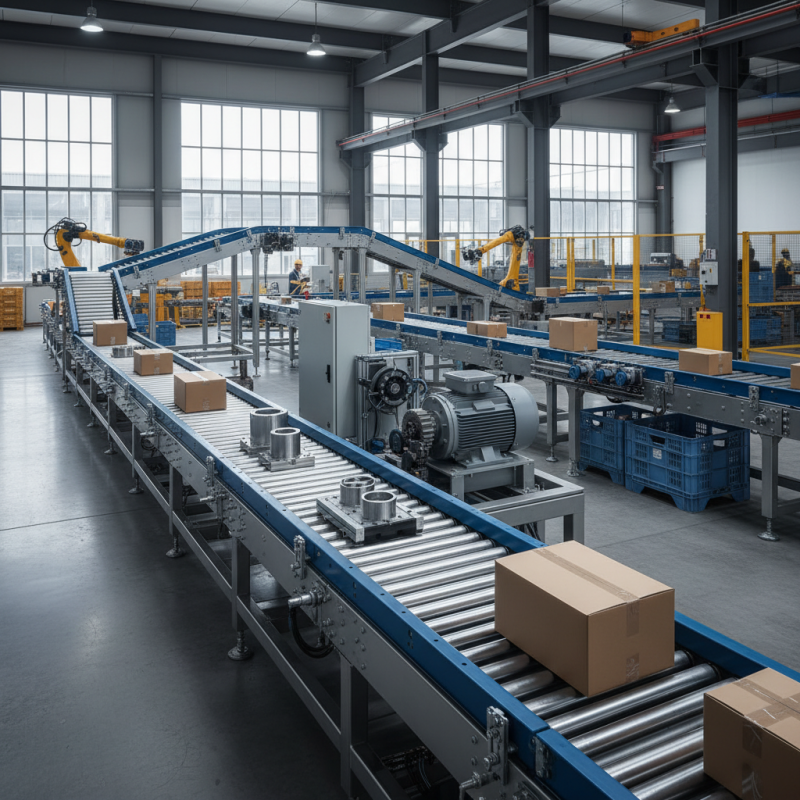
How to Choose the Right Conveyor Component for Your Industrial Needs
When it comes to optimizing industrial operations, selecting the right conveyor component is crucial for enhancing efficiency and productivity. Conveyor systems play a vital role in the smooth transportation of materials across various industries, making it essential to understand the different components involved and their specific functions. In this guide, we will explore the critical factors to consider when choosing conveyor components tailored to your unique industrial needs. Selecting an appropriate conveyor component involves a deliberate assessment of several criteria, including load capacity, speed, and the nature of the materials being transported. Each component, from belts and rollers to motors and control systems, contributes to the overall performance and reliability of your conveyor system. Understanding these components ensures that businesses can maintain optimal functionality while minimizing downtime and maintenance costs. By gaining insights into the various types of conveyor components and their applications, industrial operators can make informed decisions that drive efficiency and save costs. This guide serves as a roadmap for navigating the complexities of conveyor systems, ultimately leading to improved operational effectiveness and a competitive edge in the marketplace. Table of Contents[Hide] Understanding Conveyor Systems: Key Components and Their Functions Conveyor systems play a pivotal role in various…Read more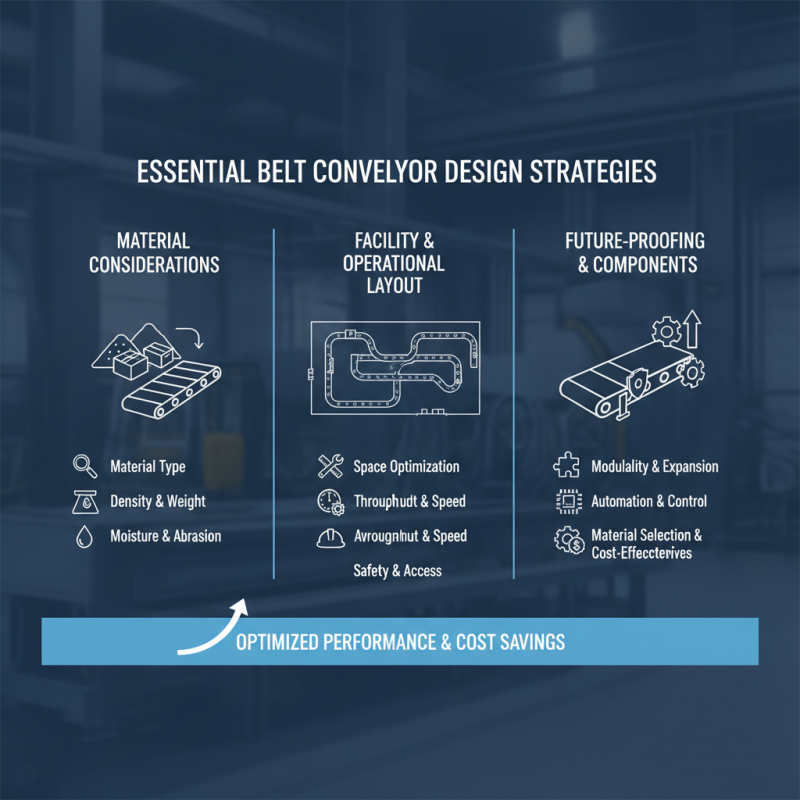
Essential Tips for Effective Belt Conveyor Design Strategies
When it comes to optimizing material handling processes, the significance of effective Belt Conveyor Design cannot be overstated. A well-designed belt conveyor system can enhance productivity, streamline operations, and ensure safety within various industrial settings. This article delves into essential tips and strategies that engineers and designers should consider to create efficient and reliable conveyor systems. An effective Belt Conveyor Design takes into account numerous factors such as the nature of the materials being transported, the layout of the facility, and operational requirements. By integrating these elements into the design process, companies can achieve optimal performance and significant cost savings over time. From selecting the right materials and components to considering the system's adaptability for future expansions or modifications, this guide serves as a comprehensive resource for anyone looking to improve their conveyor systems. In conclusion, understanding the key principles of Belt Conveyor Design is crucial for professionals in the industry. By implementing the strategies discussed in this article, companies can build conveyors that not only meet current demands but also adapt to the evolving challenges of modern manufacturing and logistics. Table of Contents[Hide] Understanding the Fundamentals of Belt Conveyor Systems Belt conveyor systems are integral to various industries, ranging…Read more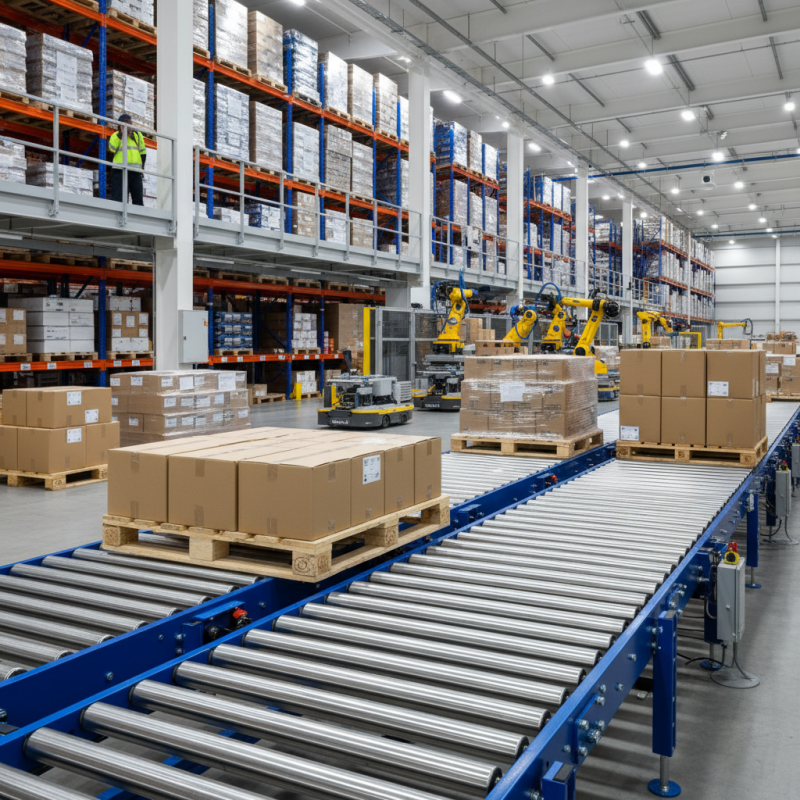
Top 10 Benefits of Using a Pallet Roller for Your Warehouse Operations
In modern warehouse operations, efficiency and productivity are paramount, and one tool that has gained significant attention for its effectiveness is the Pallet Roller. As the backbone of goods handling, the Pallet Roller streamlines the process of moving heavy items, allowing for smoother transitions and improved workflow. By minimizing manual handling, it not only prevents workplace injuries but also enhances overall efficiency, making it an indispensable asset for any warehouse setup. The Pallet Roller offers numerous benefits that cater to the diverse needs of warehouse management. From increasing the speed of inventory movement to reducing downtime associated with manual labor, incorporating a Pallet Roller into daily operations can lead to remarkable improvements. Furthermore, its design is specifically tailored to accommodate various pallet sizes, ensuring versatility across different storage systems. As we delve into the top ten benefits of using a Pallet Roller, it becomes evident how this tool can transform conventional warehousing practices, paving the way for safer and more productive environments. Table of Contents[Hide] Key Advantages of Implementing Pallet Rollers in Warehouses Implementing pallet rollers in warehouse operations offers a range of advantages that can significantly enhance efficiency and productivity. One of the most notable benefits is the reduction…Read more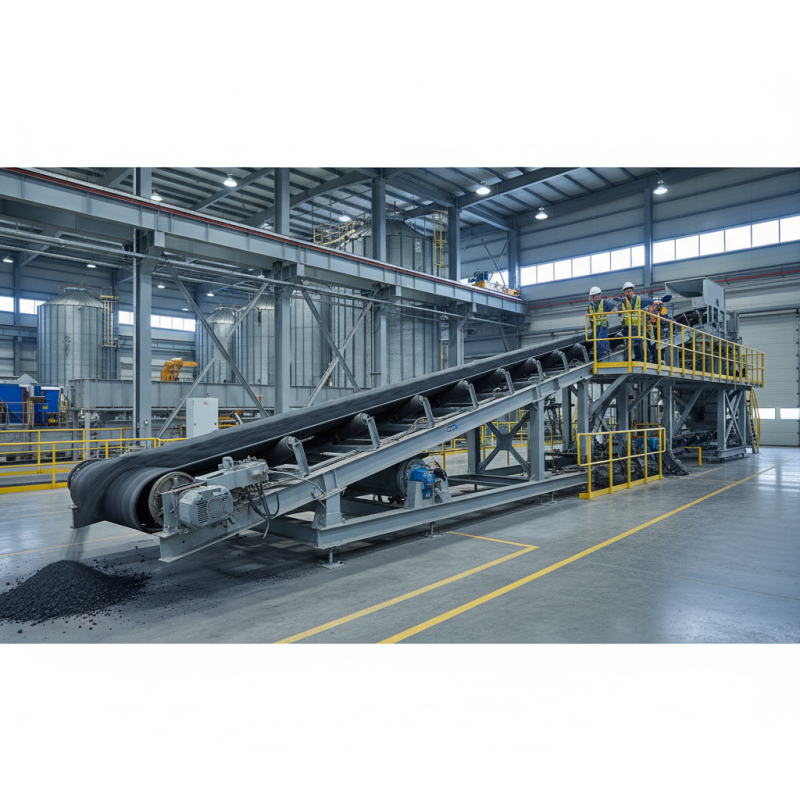
Why You Need a Scraper Conveyor for Efficient Material Handling Solutions
In the landscape of modern manufacturing and logistics, effective material handling solutions are paramount. One integral component that has proven to enhance efficiency is the Scraper Conveyor. Renowned industry expert John Smith, a leading figure at Material Handling Solutions Inc., emphasizes the significance of this technology, stating, "A Scraper Conveyor can dramatically streamline the flow of materials, reducing overhead costs and improving overall productivity." Scraper Conveyors are designed to transport bulk materials smoothly and efficiently, making them an essential tool in various industries, from agriculture to mining. These systems not only minimize the time and effort required for manual handling but also contribute to a safer work environment by reducing the physical strain on workers. As businesses continue to seek out innovative ways to optimize their operations, the role of the Scraper Conveyor becomes increasingly vital, offering a reliable solution to meet the growing demands of material transport. Understanding the capabilities and advantages of Scraper Conveyors can provide businesses with a competitive edge in their respective markets. By integrating this technology into their material handling processes, companies can ensure higher efficiency, cost savings, and improved productivity, ultimately leading to greater success in their operations. Table of Contents[Hide] The Importance of…Read more
How to Optimize Your Transport Chain for Maximum Efficiency and Cost Savings
In today's fast-paced global economy, businesses are continually seeking ways to enhance operational performance and reduce costs. One crucial area where companies can achieve significant improvements is the Transport Chain. By optimizing the Transport Chain, organizations can streamline their logistics processes, minimize delays, and ensure that products reach customers in a timely manner. This not only enhances customer satisfaction but also contributes to a company's bottom line by lowering operational expenses. Effective management of the Transport Chain involves a comprehensive analysis of various components, including transportation modes, inventory levels, and supplier relationships. By implementing best practices and leveraging technology, companies can gain better visibility and control over their logistics operations. This strategic approach to optimizing the Transport Chain not only fosters efficiency but also creates opportunities for innovation and sustainability in the supply chain. In this article, we will explore key strategies for optimizing your Transport Chain, focusing on practical steps that can lead to substantial efficiency gains and cost savings. As the landscape of global trade continues to evolve, staying ahead of the curve in managing your Transport Chain is essential for maintaining a competitive edge in the market. Table of Contents[Hide] Understanding the Transport Chain: Key Components and…Read more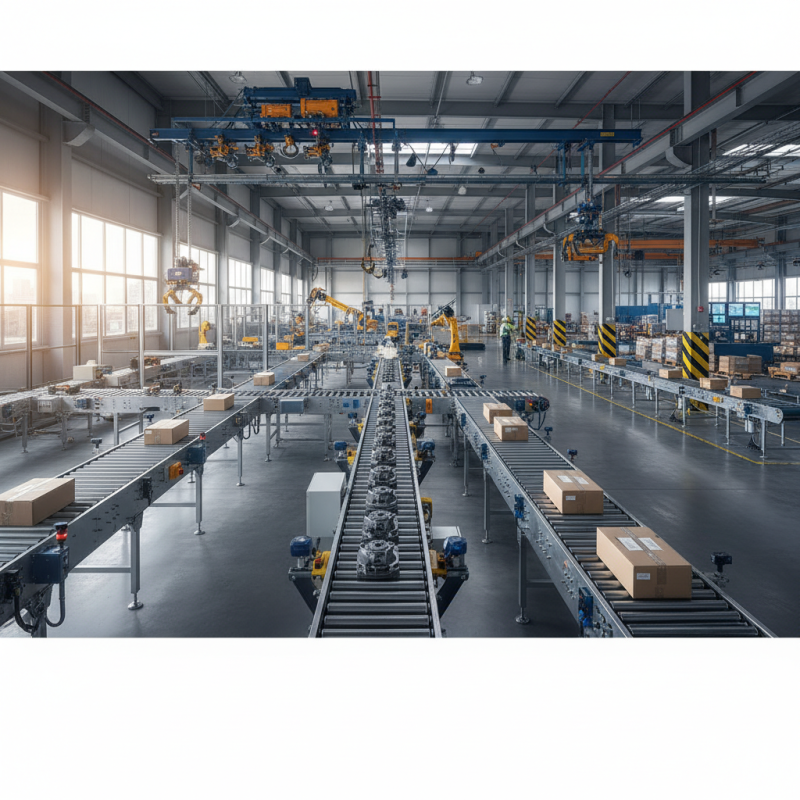
2025 How to Choose the Right Chain and Conveyor System for Your Business
In today's fast-paced industrial landscape, selecting the right Chain & Conveyor system is crucial for maximizing efficiency and productivity. According to a report by MarketsandMarkets, the global conveyor systems market is expected to reach USD 9.0 billion by 2025, growing at a CAGR of 4.4%. This growth underscores the increasing demand for advanced material handling solutions across various sectors, including manufacturing, logistics, and food processing. As businesses strive to optimize their operations, understanding the intricacies of Chain & Conveyor systems becomes essential for maintaining competitive advantage. John Smith, a renowned expert in the Chain & Conveyor industry, emphasizes that “the choice of the right system can significantly impact throughput and operational efficiency.” His insights resonate with many industry leaders who recognize that improper selection can lead to increased downtime and operational inefficiencies. With a plethora of options available, from roller conveyors to chain-driven systems, organizations must evaluate factors such as load capacity, speed, and intended application to make an informed decision. As we delve into the complexities of choosing a Chain & Conveyor system, it is imperative for businesses to leverage industry expertise and data-driven insights to align their operational needs with the latest technology trends. Making the right selection…Read more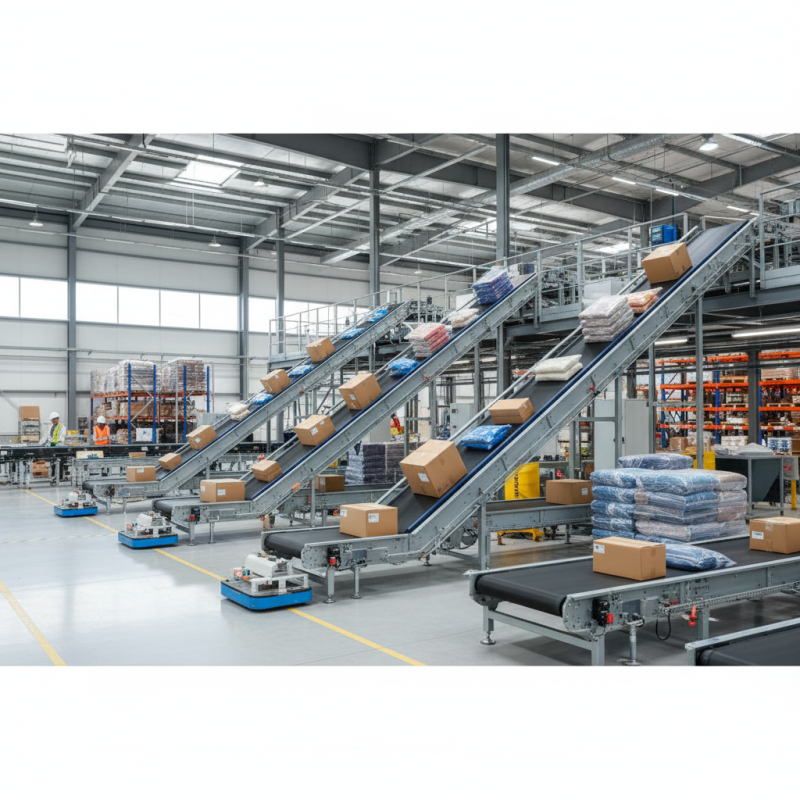
Top Benefits and Uses of Incline Conveyors in Material Handling Systems
In the constantly evolving landscape of material handling systems, efficiency and versatility are paramount. One technology that has gained significant traction in recent years is the incline conveyor. Designed to move products and materials at an angle, incline conveyors offer a seamless solution for transporting items between different elevation levels within a facility. This unique application not only optimizes space utilization but also enhances workflow by minimizing manual handling and the risk of product damage. The benefits of incline conveyors extend beyond simple transportation. They can be customized to fit various operational needs, making them suitable for a wide range of industries, from manufacturing to distribution. Their ability to handle diverse materials—from bags and boxes to bulk products—showcases their adaptability in enhancing material flow systems. As businesses continue to seek ways to improve productivity and maintain a competitive edge, the integration of incline conveyors into existing systems proves to be a strategic move that supports overall operational efficiency and cost-effectiveness. Table of Contents[Hide] Understanding Incline Conveyors in Material Handling Systems Incline conveyors play a critical role in modern material handling systems, especially in industries where the efficient movement of goods is paramount. These systems are designed to transport materials between…Read more
Why Understanding Roller Gravity Is Essential for Effective Design and Safety
Understanding Roller Gravity is crucial for the effective design and safety of roller systems in various applications, including amusement parks, conveyor systems, and industrial machinery. Roller Gravity refers to the forces and behaviors associated with roller components as they interact with their environments. By comprehensively grasping these physical principles, engineers and designers can create systems that optimize performance while ensuring the safety of users and operators alike. Incorporating an in-depth knowledge of Roller Gravity is not merely a technical requirement; it is fundamental to preemptively addressing potential hazards and improving the overall reliability of roller mechanisms. Failure to consider these forces during the design phase can lead to catastrophic failures, increased maintenance costs, and a compromised user experience. By emphasizing the importance of Roller Gravity in design processes, industries can foster innovations that prioritize both functionality and safety, paving the way for advanced systems built on a solid foundation of physical understanding. As we explore the critical relationship between Roller Gravity, design efficiency, and safety protocols, it becomes evident that the integration of this knowledge is not just beneficial, but essential for creating safe and effective operational environments. Table of Contents[Hide] Importance of Roller Gravity in Engineering Design Understanding roller…Read more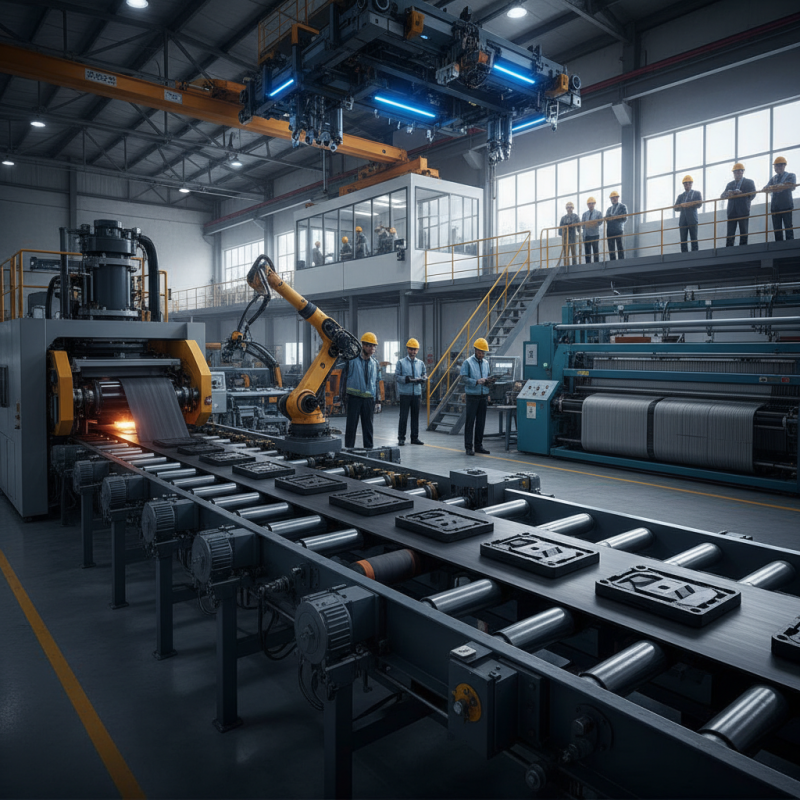
How to Choose the Right Conveyor Belt Manufacturing Process for Your Business
In the fast-evolving field of Conveyor Belt Manufacturing, selecting the appropriate manufacturing process can significantly impact a business's efficiency and productivity. According to Dr. John Smith, a leading expert in the Conveyor Belt Manufacturing industry, “The choice of manufacturing process not only affects the quality of the belts but also influences the overall operational costs and timelines.” His insights shed light on the critical factors that businesses should consider when navigating this complex decision. As companies strive to optimize their production lines, understanding the different manufacturing techniques available becomes paramount. Each method, whether it’s extrusion, molding, or weaving, offers unique advantages and challenges that can align more closely with specific operational goals. Moreover, integrating advanced technologies into the manufacturing process can further enhance the performance of conveyor belts, making it crucial for businesses to stay informed about the latest innovations. In conclusion, making an informed choice regarding the Conveyor Belt Manufacturing process is essential for any business seeking to improve its workflow and adaptability in today's competitive landscape. By prioritizing quality and efficiency, companies can better position themselves for success and build a robust foundation for future growth. Table of Contents[Hide] Understanding Conveyor Belt Manufacturing Processes Understanding the conveyor belt…Read more
2025 Top Trends in Modular Conveyor Belt Technology and Applications
In recent years, the manufacturing and logistics industries have witnessed a significant transformation, largely driven by advancements in technology. Among these innovations, the Modular Conveyor Belt has emerged as a pivotal component in optimizing material handling processes. With its flexible design and adaptability, the Modular Conveyor Belt allows companies to streamline their operations, enhance productivity, and reduce downtime. As we approach 2025, the trends surrounding this technology are evolving rapidly, reflecting the growing demand for more efficient and sustainable solutions in various applications. The integration of automation and smart technologies into Modular Conveyor Belt systems is set to redefine operational efficiencies in warehouses, factories, and supply chains. Companies are increasingly adopting these advanced conveyor systems to meet the challenges of modern production demands while ensuring safety and reliability. Moreover, the focus on sustainability and eco-friendliness has prompted innovations in materials and designs, making Modular Conveyor Belts a greener option for companies looking to minimize their environmental impact. This article delves into the top trends expected to shape the future of Modular Conveyor Belt technology and its diverse applications, highlighting the transformative potential that lies ahead. Table of Contents[Hide] Emergence of Modular Conveyor Belt Technology in 2025 The emergence of modular…Read more