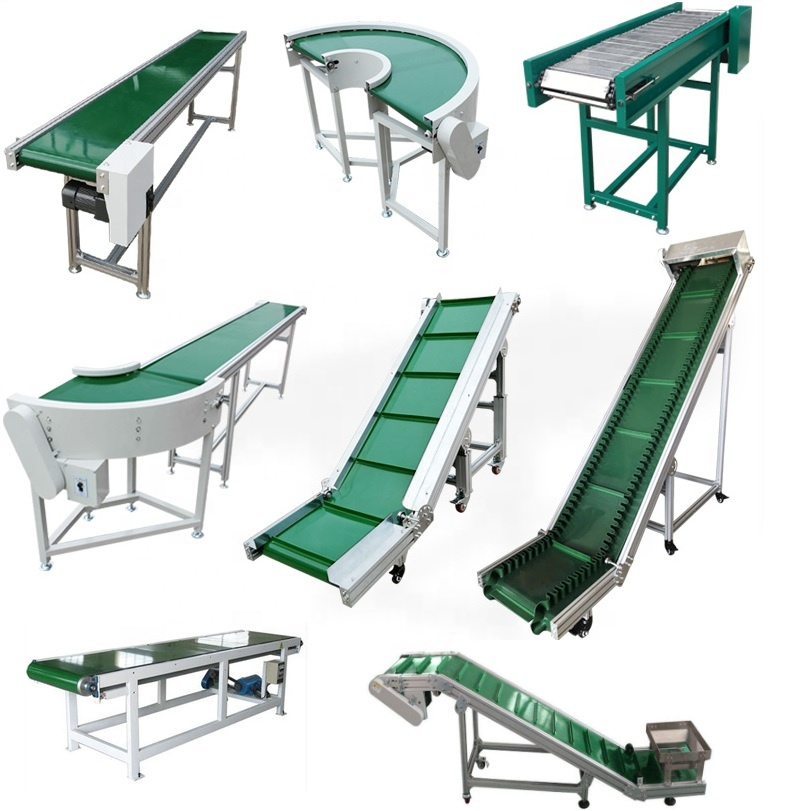
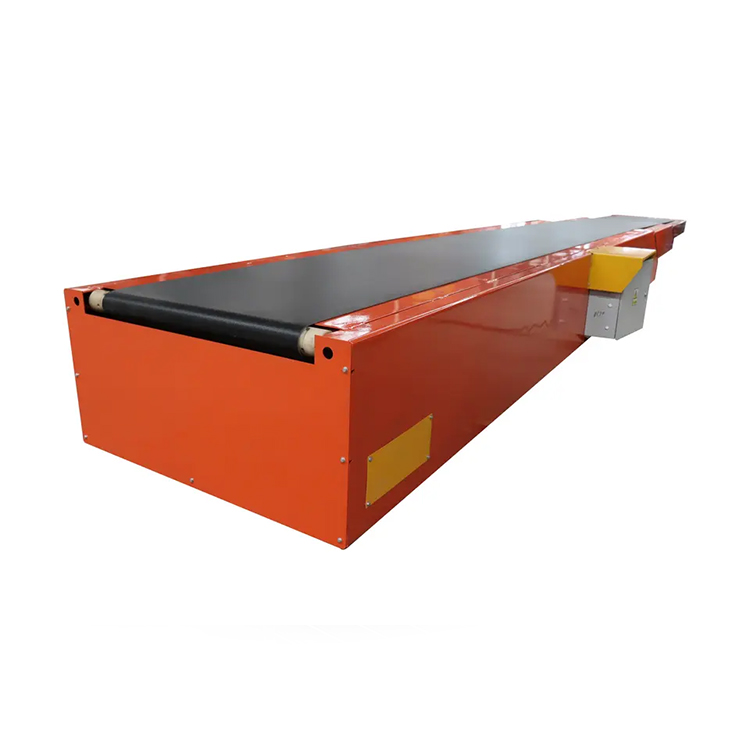
In today's super competitive market, it's honestly really important for businesses to understand the perks of using PVC belts. John Maxwell, who’s got tons of industry experience at FlexiBelt Solutions, points out that "PVC belts boost both efficiency and durability." You’ll find these belts everywhere — they’re pretty much the go-to for a lot of different industries because they tend to be reliable and perform well.
But honestly, the benefits go way beyond just moving stuff around. PVC belts are resistant to corrosive materials too, which makes them perfect for tough, harsh environments. A lot of companies have started rethinking their old-school belt choices after hitting snags like wear and tear — those costs can really rack up when you keep replacing worn-out belts.
If a business wants to keep things running smoothly, considering PVC belts is a smart move. But here's the thing — not all PVC belts are created equal, and picking the right one depends on what you actually need. Like John Maxwell mentioned, rushing into a decision without thinking it through can lead to all kinds of inefficiencies. Finding that balance between good quality and cost often comes down to some trial and error; it’s part of the process for lots of organizations.
PVC belts have gained popularity in various industrial applications. These belts are known for their durability and versatility. They can withstand harsh environments, which makes them ideal for manufacturing and logistics. PVC belts often resist wear and tear, providing longer service life compared to traditional belts.
The flexibility of PVC belts is another advantage. They can be designed in various widths and lengths to fit specific machinery. This adaptability helps businesses optimize their production processes. Additionally, these belts are easy to clean, an essential feature in industries like food processing. They maintain hygiene standards effectively.
However, there are challenges. PVC belts can degrade over time when exposed to extreme temperatures. This may lead to unexpected downtime. Businesses need to monitor the condition of their belts regularly. Finding the right balance between cost and quality is crucial. Investing in high-quality PVC belts can reduce long-term costs, even if the initial investment is higher.
| Benefit | Description | Industries |
|---|---|---|
| Durability | PVC belts are resistant to wear and tear, ensuring a longer lifespan compared to other materials. | Manufacturing, Packaging, Food Processing |
| Cost-Effectiveness | Lower initial investment and maintenance costs, providing great value for businesses. | Textiles, Logistics, Construction |
| Flexibility | Can be easily adapted for various applications and conveyor designs. | Automotive, Electronics, Agriculture |
| Chemical Resistance | Resistant to many chemicals and oils, making them suitable for various industrial environments. | Pharmaceuticals, Chemicals, Oil & Gas |
| Low Noise Operation | Designed to operate quietly, reducing noise pollution in the workplace. | Warehousing, Food & Beverage, Packaging |
PVC belting is gaining attention for its impressive durability and longevity. These belts can withstand harsh conditions, making them ideal for various industries. According to a study by the International Journal of Industrial Technology, PVC belts have a lifespan that often exceeds 15,000 hours under normal usage. This longevity reduces the need for frequent replacements, ultimately saving businesses time and money.
In addition to durability, PVC belts are resistant to chemicals and abrasion. This resistance has been documented in multiple industry reports, highlighting their performance in diverse environments. Companies that switch to PVC have noticed a 30% reduction in maintenance costs. However, it’s essential to recognize that, while PVC belts are robust, extreme temperatures can affect their effectiveness. Regular assessments of the operating environment can help mitigate risks associated with these conditions.
The weight and size of PVC belting also contribute to its overall efficiency. Despite their advantages, some businesses may face challenges in procurement and installation. Understanding the technical specifications is crucial for successful integration. Reflecting on these factors can help companies make informed decisions based on their specific needs.
In recent years, businesses have been increasingly shifting toward PVC belts due to their cost-effectiveness. According to a report from the International Journal of Production Research, PVC belts can reduce operational costs by up to 30% when compared to traditional materials. This significant saving comes from their durability and resistance to wear and tear. For businesses focused on improving their bottom line, the switch to PVC may be a wise move.
Moreover, PVC belts offer lower maintenance requirements than their traditional counterparts. With an average lifespan that can exceed ten years, these belts boast excellent performance with minimal upkeep. Businesses can save on labor costs associated with repairs and replacements. However, it is crucial to evaluate how these belts perform under specific operational conditions, as environmental factors can affect longevity.
Tips: When choosing a PVC belt, assess its material properties against your unique operational needs. Testing different options can reveal which one performs best.
Additionally, while PVC belts can be more cost-effective, it is essential to consider initial investment costs. Some may be hesitant due to a higher upfront price compared to other materials. Carefully balancing these aspects is vital to making the right choice for your business. As always, comprehensive research and analysis will guide more informed decisions.
PVC belts are increasingly recognized for their performance efficiency in material handling. A report published by the International Journal of Industrial Research highlights that PVC belts exhibit a lower coefficient of friction compared to traditional materials, which enhances their ability to handle varied loads. This characteristic is crucial in environments where smooth motion is necessary for operational efficiency.
Moreover, PVC belts are known for their durability and resistance to wear. They can withstand harsh conditions such as extreme temperatures and exposure to chemicals. Data from the Material Handling Institute indicates that companies utilizing PVC belts report a 30% reduction in maintenance costs. This is a significant benefit for businesses aiming to optimize their supply chain.
Despite these advantages, some companies still hesitate to adopt PVC belts. Concerns about cost and initial investment may play a role. Yet, the long-term savings often outweigh upfront expenses. A study from Manufacturing Insights reveals that businesses can recoup their investment in PVC belts within a year due to enhanced efficiency and decreased downtimes. This underscores the importance of evaluating both immediate and future costs when considering material handling options.
Operational downtime can be a significant challenge for any business. PVC belts play a crucial role in minimizing this issue. Their durability and flexibility make them ideal for various applications. For instance, in manufacturing, PVC belts ensure smooth transportation of materials. This consistency helps avoid unexpected halts in production.
Using PVC belts can lead to fewer breakdowns. Their resistance to wear and tear means they require less frequent replacement. This boosts productivity by keeping systems running longer. Additionally, PVC belts are easy to clean and maintain, further reducing downtime.
However, not all PVC belts are equal. Some may wear out quicker than expected. It’s vital for businesses to assess the quality before purchasing. Companies should also consider their specific operational needs. Proper training for staff on maintenance can improve the longevity of these belts. Understanding these factors can enhance overall efficiency and reduce delays.
PVC belts are often recognized for their durability and cost-effectiveness in various business applications. However, one significant advantage often overlooked is their recyclability. PVC, or polyvinyl chloride, can be recycled to make new products, which contributes to reducing waste. This aligns with growing environmental awareness in industries. Many businesses are now taking a more sustainable approach, and using recyclable materials is a step forward.
When considering PVC belts, think about their end-of-life options. Recycling can minimize environmental impact. Collaborating with recycling companies can facilitate responsible disposal and give old PVC belts a second life. This creates a closed-loop system that decreases landfill contribution.
**Tips:** Always investigate local recycling programs that accept PVC. Regularly assess your usage to optimize material efficiency. Make clear guidelines for employees on how to handle old or damaged belts properly. Small steps can lead to significant change over time. Remember, while PVC is advantageous, its recyclability should be part of your long-term planning.
This chart illustrates the environmental benefits of PVC belts, particularly focusing on recyclability and reduction of waste impact.
PVC belts offer diverse customization options tailored to specific business needs. Many industries, from manufacturing to food processing, require belts that can handle unique applications. Studies indicate that customized PVC belts can enhance operational efficiency by up to 25% in some sectors. This means that choosing the right design can significantly impact productivity and reduce downtime.
Customization possibilities include varying thickness, color, and surface texture. A report from the Conveyor Equipment Manufacturers Association highlighted that 65% of businesses see improved performance with tailored belt solutions. Moreover, environmental factors like temperature and moisture can influence the belt material. Thus, selecting a customized PVC belt is not just about fit; it's about adapting to different working conditions.
However, it is essential to not overlook the complexities involved in customization. While tailored options can provide advantages, they may also lead to increased lead times and costs. Businesses should carefully evaluate their specific needs before committing to custom solutions. This reflection can prevent over-engineering the belts, which may not always align with business goals. Customization can enhance operations, but clarity on requirements is crucial.
The global market for conveyor belts, including PVC, PU, PE, PGV, and rubber materials, continues to evolve with emerging trends and projections that highlight the dynamic nature of this industry. Conveyor belts play a crucial role in various sectors by ensuring efficient material handling, and their importance cannot be overstated. Different industries have unique requirements, which drive the demand for specialized belt varieties. For example, lightweight belts are ideal for operations requiring flexibility and speed, while heavy-duty belts are essential for handling more substantial loads in harsher environments.
Recent insights from industry reports emphasize the growing emphasis on durability and performance, prompting manufacturers to innovate and develop belts that can withstand various operational challenges. Surface materials and coverings are integral to belt selection; they dictate how well the belt can grip and convey materials and influence maintenance requirements. As businesses increasingly look to optimize their operations, understanding these factors becomes critical in selecting the right conveying system that aligns with operational goals and industry standards. The continuous advancements in belt technology suggest that investment in high-quality conveyor systems will be pivotal for companies aiming to enhance productivity and operational efficiency.
: PVC belts have a lower coefficient of friction, enhancing load handling. They provide smooth motion for operational efficiency.
PVC belts resist wear, extreme temperatures, and chemicals, making them suitable for harsh conditions.
Yes, companies report a 30% reduction in maintenance costs. This benefit aids businesses in optimizing their supply chain.
Some companies hesitate due to costs and initial investment for PVC belts. Long-term savings might outweigh these concerns.
Yes, PVC is recyclable, which helps reduce waste. This aligns well with sustainable practices in various industries.
Collaborating with recycling companies can facilitate responsible disposal. It's essential to think about end-of-life options.
Customized PVC belts can enhance operational efficiency by up to 25%. Tailored solutions adapt to unique industry needs.
Customization may lead to longer lead times and higher costs. Businesses need clarity on their requirements to avoid over-engineering.
Regular assessments can optimize material efficiency and help businesses use resources more responsibly.
While PVC belts are advantageous, careful planning for customization and sustainability is important for long-term success.
PVC belts offer a range of advantages for industrial applications that significantly enhance business operations. Their durability and longevity ensure that they withstand demanding environments, reducing the need for frequent replacements. Compared to traditional materials, PVC belts are more cost-effective, offering a good balance of performance and price. In material handling, they excel in performance efficiency, contributing to smoother and faster operations.
Additionally, PVC belts play a crucial role in minimizing operational downtime, which is essential for maintaining productivity. Environmentally, their recyclability presents a sustainable option for businesses looking to reduce their carbon footprint. Finally, the customization options available with PVC belts allow businesses to tailor solutions that meet their specific operational requirements, ensuring maximum efficiency and effectiveness in their processes.