Table of Contents[Hide]
- 1 Understanding Conveyor Belts and Rollers: A Comprehensive Overview
- 2 Key Types of Conveyor Belts: Features and Applications
- 3 Selecting the Right Roller Types for Optimal Performance
- 4 Factors to Consider When Buying Conveyor Belts and Rollers
- 5 Top Brands and Products: 2026 Best Picks Reviewed
- 6 Maintenance Tips for Longevity of Conveyor Systems
- 7 Future Trends in Conveyor Belt and Roller Technology
Understanding Conveyor Belts and Rollers: A Comprehensive Overview
Key Types of Conveyor Belts: Features and Applications
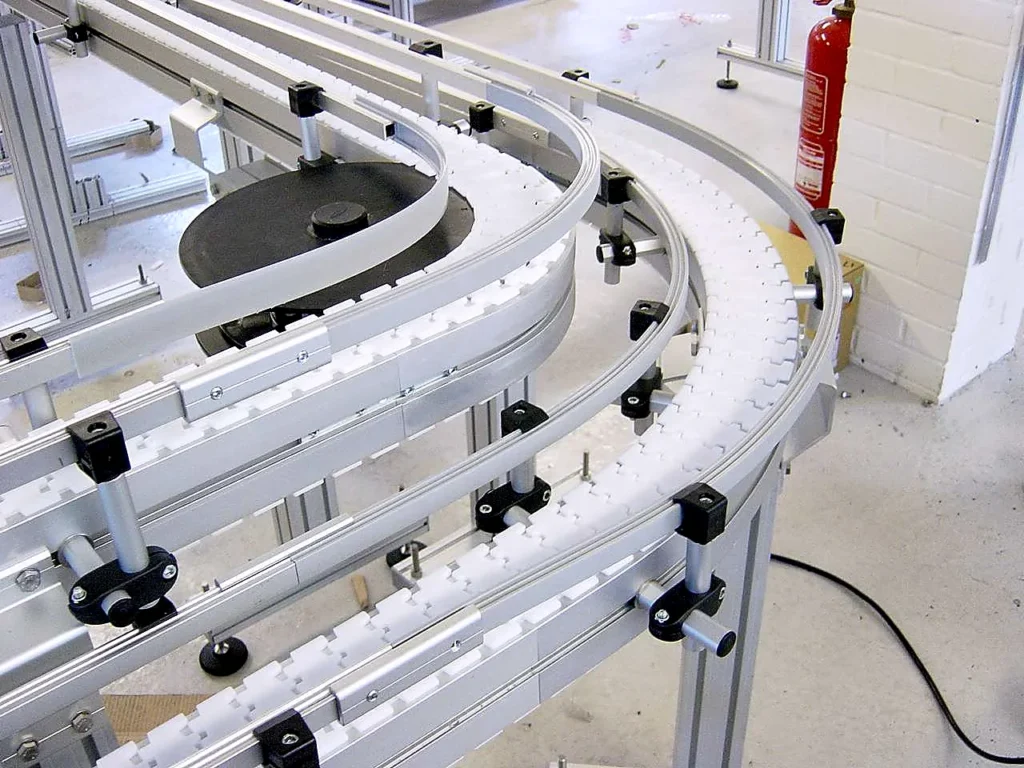
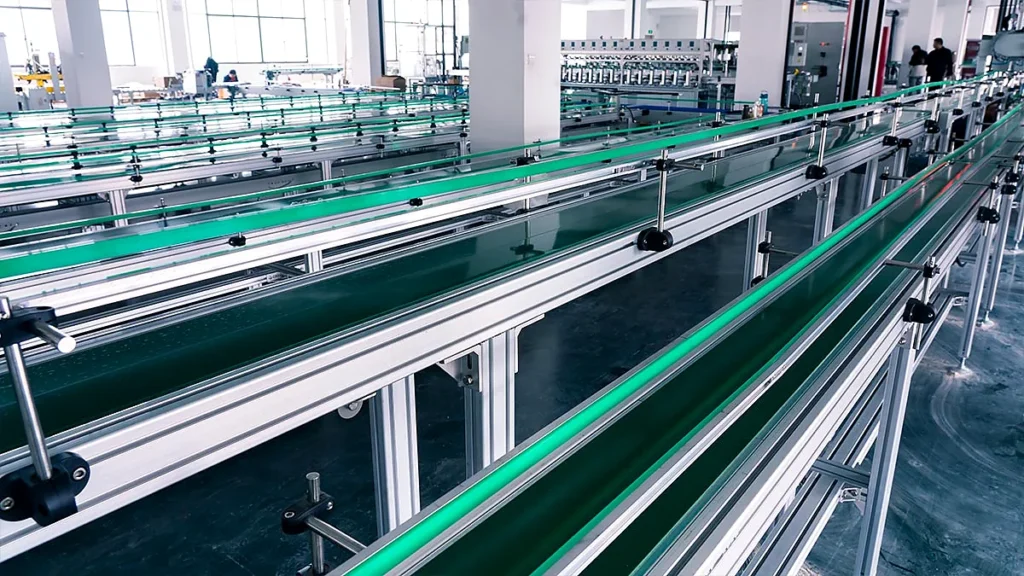
Conveyor belts are vital in various industries, optimizing transport efficiency. They come in several types, each with unique features and applications. Understanding these types is key to effective implementation. For instance, belt conveyors are ideal for conveying bulk materials. They can transport items over long distances without interruption.
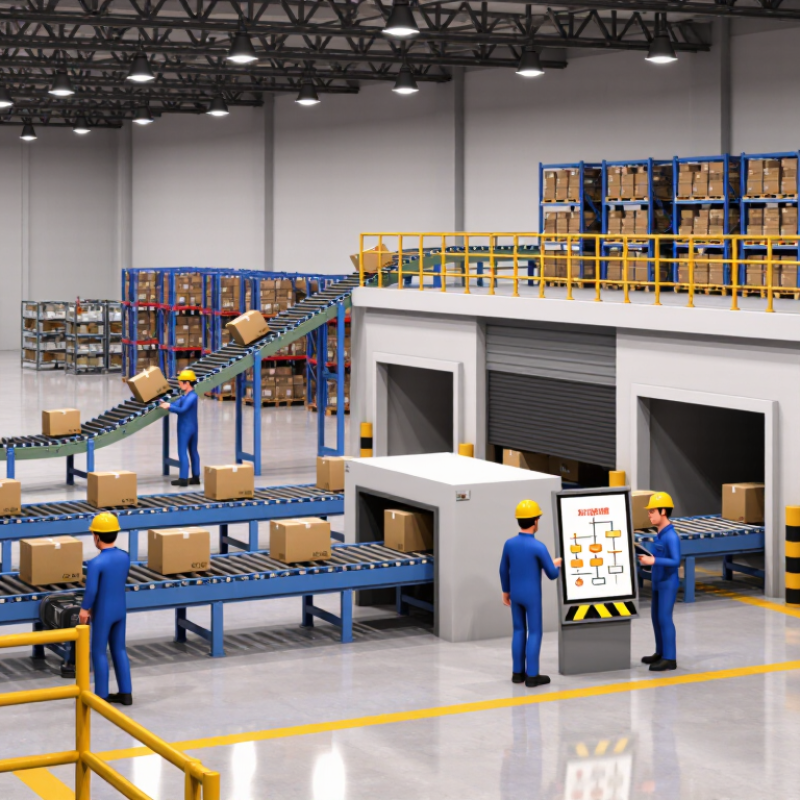
Roller bed conveyors offer flexibility. They are perfect for heavier loads, allowing for easier manual handling. Studies show that these conveyors can increase productivity by 20-30%. Flat belt conveyors are also common. They are often used in assembly lines for light to medium weight goods.
Tip: Always assess the material being transported. It impacts the choice of conveyor type significantly. Check the weight, size, and fragility of items.
More importantly, maintenance is crucial. Neglect can lead to inefficiencies. Regular inspections can prevent unexpected breakdowns. Remember, not every conveyor will fit your needs perfectly. Always be prepared to adapt and refine your system. This approach can lead to better performance overall.
Selecting the Right Roller Types for Optimal Performance
Choosing the right roller types is crucial for conveyor system efficiency. Various roller designs cater to different applications. For example, some rollers are built for heavy loads, while others are ideal for lightweight materials. A robust roller can handle a massive load but may not be suitable for delicate items. It's essential to assess your specific needs before making a selection.
Another factor to consider is the surface finish of the rollers. Textured surfaces can enhance grip, reducing slippage during operation. However, they may wear down faster. A smooth surface, on the other hand, can prolong roller life but might compromise grip. Balancing these characteristics is critical.
Finally, don't overlook the importance of maintenance for roller longevity. Regular checks can prevent costly breakdowns. Learning from past mistakes helps in selecting the best roller types. Understanding your conveyor system will lead to better performance, ensuring that your choice matches your operational demands.
Factors to Consider When Buying Conveyor Belts and Rollers
When purchasing conveyor belts and rollers, several factors demand your attention. The material type plays a crucial role. For instance, rubber belts are ideal for heavy-duty applications. They offer enhanced grip and durability. In contrast, PVC belts are more suitable for lighter loads. The choice of material can drastically impact efficiency.
Load capacity must align with your operational needs. According to industry reports, over 30% of material handling issues stem from inadequate load management. Make sure to assess your requirements thoroughly. Rollers should also match the system's weight and speed specifications. A mismatch can lead to increased wear and tear.
Cost-effectiveness is another vital consideration. While budget constraints are a factor, investing in high-quality components can yield long-term savings. Reports indicate that choosing subpar items often results in higher maintenance costs. Reliability in performance matters significantly. Research indicates that operational downtime can cost companies over $200,000 annually. Balancing quality and cost is essential for a sound investment in conveyor systems.
2026 Best Conveyor Belt and Rollers: Top Picks and Buyer’s Guide
| Type | Material | Length (ft) | Width (in) | Load Capacity (lbs) | Price Range ($) |
|---|---|---|---|---|---|
| PVC Conveyor Belt | PVC | 50 | 24 | 200 | $150 - $250 |
| Rubber Conveyor Belt | Rubber | 100 | 30 | 1000 | $300 - $500 |
| Modular Belt | Plastic | 75 | 12 | 500 | $200 - $400 |
| Wire Mesh Belt | Steel | 60 | 18 | 750 | $500 - $700 |
| Fabric Conveyor Belt | Polyester | 80 | 24 | 400 | $100 - $300 |
Top Brands and Products: 2026 Best Picks Reviewed
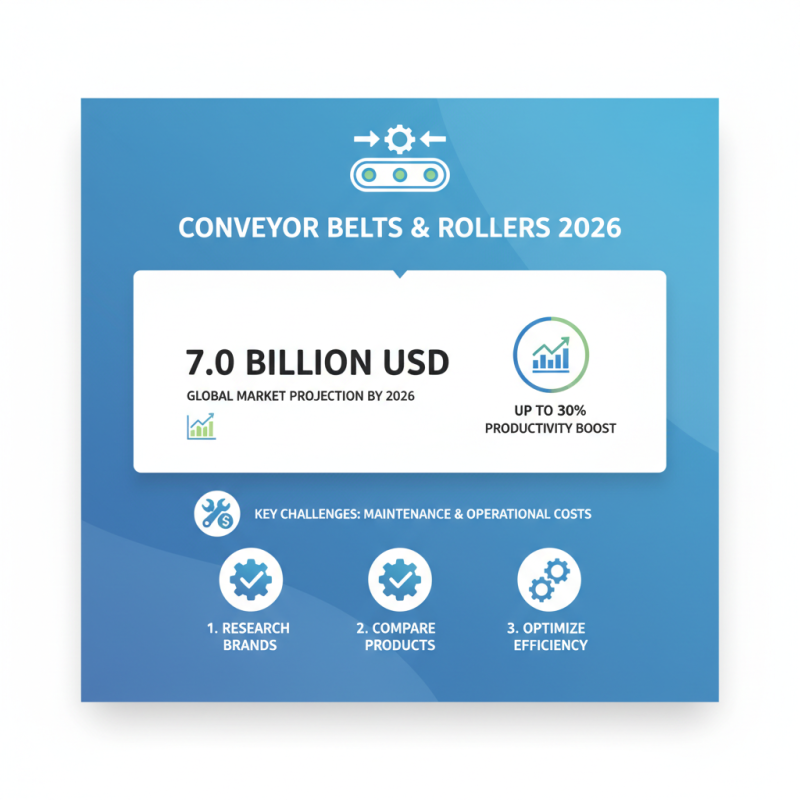
When choosing the best conveyor belts and rollers for 2026, it's important to explore various brands and products. Industry reports indicate that the conveyor system market is projected to reach $7.0 billion by 2026, showcasing its critical role in manufacturing and logistics. Efficiency matters. Conveyor systems can enhance productivity by up to 30%, yet many facilities still face challenges with maintenance and operational costs.
The key lies in selecting the right materials and designs. For example, rubber and modular belts are highly recommended for their durability. Yet, they also require regular checks and potential replacements. Less than 20% of users perform timely maintenance, leading to avoidable breakdowns. Additionally, rollers should be frictionless. This helps minimize energy consumption, which can increase overall system efficiency. Some companies overlook this detail, resulting in higher utility bills.
Many buyers struggle with cost versus quality. While cheaper options are tempting, they often lead to more frequent repairs. Investing in premium products pays off in the long run, reducing downtime and increasing performance. Staying informed about top picks in the conveyor belt market can ensure a more successful operation in 2026 and beyond.
Maintenance Tips for Longevity of Conveyor Systems
Maintaining conveyor systems is essential for their longevity. Regular upkeep can prevent unexpected failures. Here are some key tips.
First, check the alignment frequently. Misaligned belts can cause uneven wear. It leads to unnecessary replacements. Adjusting rollers and belts takes time, but it’s worth it.
Next, keep an eye on the tension. Too loose or too tight can affect performance. A properly tensioned belt runs smoother. You may need to adjust settings periodically.
Don’t forget lubrication. Apply it where needed. It reduces friction and prolongs life. Too much can attract dust. Be mindful of your choices here.
Lastly, inspect components regularly. Look for wear and tear. It’s easy to overlook, but crucial. Small issues can turn into big problems. Take notes on repairs needed. It helps you plan better.
Future Trends in Conveyor Belt and Roller Technology
The future of conveyor belt and roller technology is evolving rapidly. A recent report indicates that the global conveyor systems market is projected to grow at a CAGR of over 4% from 2023 to 2030. This growth is driven by increased automation across various industries. As manufacturing demands escalate, so does the need for more efficient transport solutions.
Innovative materials and smart technology are shaping this landscape. For instance, the rise of IoT-enabled conveyor systems allows for real-time monitoring and predictive maintenance. This approach reduces downtime and enhances productivity. However, the industry faces challenges. Not all companies are ready to embrace these technologies, leading to potential inefficiencies.
Moreover, sustainability is becoming paramount. Studies suggest that eco-friendly materials can reduce waste and improve energy efficiency. Some research highlights a potential reduction of up to 30% in energy consumption through advanced roller design. However, many manufacturers still prioritize low costs over sustainable choices, resulting in a slow transition to greener options. The juxtaposition of innovation and tradition creates an interesting dynamic that defines the future of conveyor technology.
2026 Best Conveyor Belt and Rollers: Trends and Insights
FAQS
: What is the primary benefit of this product?
: It improves daily efficiency and productivity. Users feel more focused and organized throughout their tasks.
Can this product be used for different purposes?
Yes, it's versatile. It can adapt to various activities, making it useful in many situations.
How long does it typically last?
The product's lifespan is dependent on usage. Frequent use may lead to quicker wear and tear.
Is it easy to clean?
Cleaning can be straightforward, but certain spots may require more effort. Regular maintenance is recommended for longevity.
Are there any common issues users face?
Some users report minor functionality problems. These might require troubleshooting and can be frustrating at times.
What should I do if I encounter a problem?
Consult the manual for guidance. If issues persist, reaching out to support may offer a solution.
Can this product enhance creativity?
Users have mentioned improvements in creative thinking. It seems to help stimulate new ideas.
Does it require special skills to use?
No special skills are needed. However, some may take time to fully understand its features.
What is one common misconception?
Many believe it works perfectly every time. This isn't always the case; occasional adjustments may be necessary.
Are there any risks involved?
While generally safe, improper use could lead to some unexpected results. Understanding proper usage is important.
Conclusion
The article "2026 Best Conveyor Belt and Rollers: Top Picks and Buyer’s Guide" provides a thorough examination of conveyor belts and rollers, essential components in various industries. It begins with an overview of conveyor systems, detailing the key types of conveyor belts and their specific applications. The guide emphasizes the importance of selecting the right roller types to ensure optimal performance, along with critical factors to consider when purchasing conveyor belt and roller systems.
Furthermore, the article highlights the top brands and products available in 2026, offering insights into their features and benefits. Maintenance tips are also included, aimed at enhancing the longevity of conveyor systems. Finally, the piece discusses upcoming trends in conveyor belt and roller technology, providing readers with a comprehensive understanding needed to make informed decisions in their purchases.