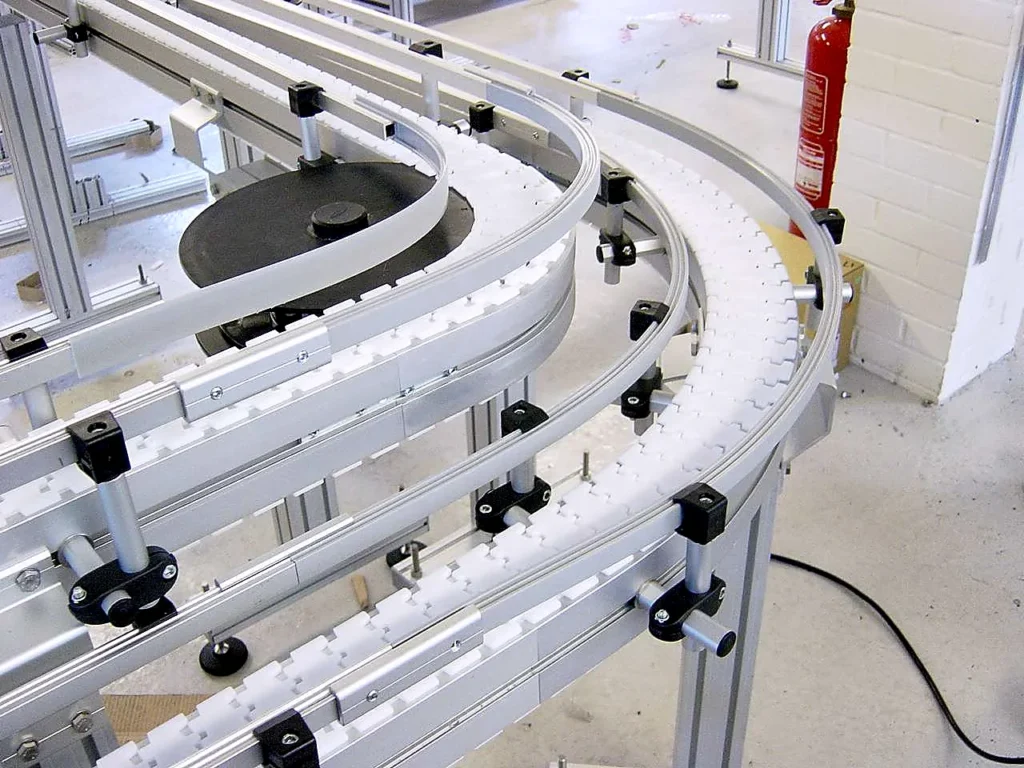
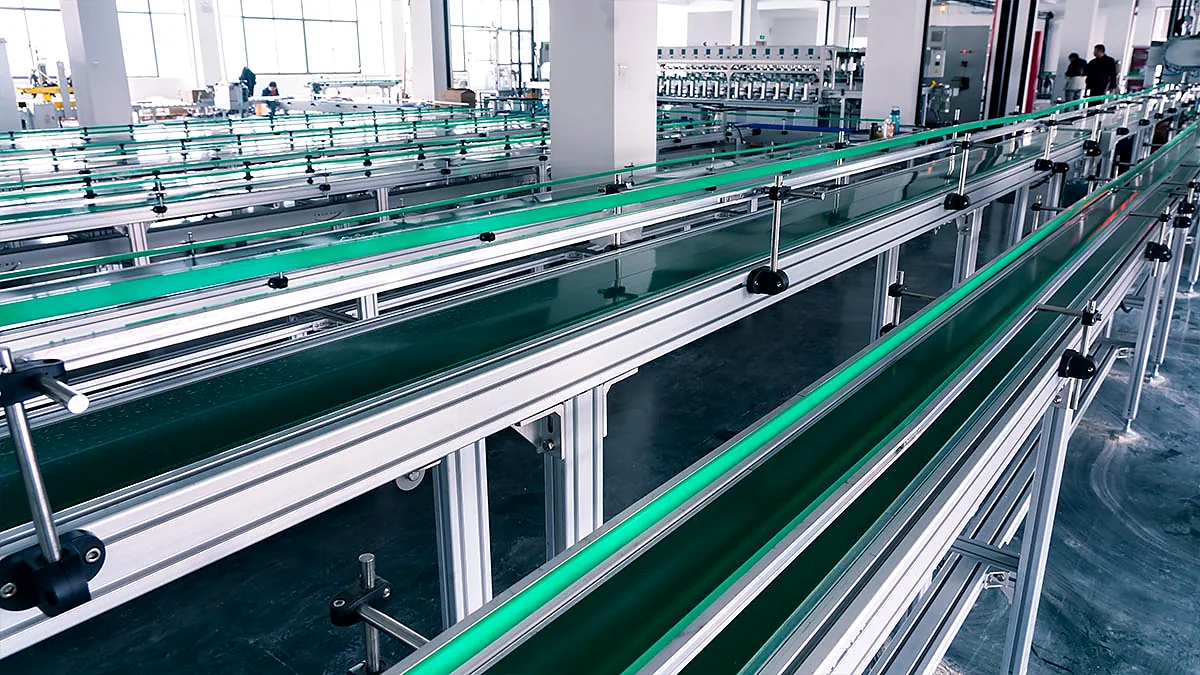
Separate Repair, Retrofit, and Replacement
- Repair: restore the intended operation without changing the original conveying task. Replacing an identified worn component may fall into this scope.
- Retrofit: retain part of the installed equipment while changing its configuration for a different requirement, such as a new package or revised machine interface.
- Replacement: install a new conveyor section or line. The scope may be limited to the section causing the constraint; it does not automatically include every connected machine.
A proposal should state which assemblies remain, which change, and who checks the resulting system. A list of new parts without that boundary leaves the integration work undefined.
Find the Constraint Before Choosing the Scope
Start with a simple map of the installed line. Mark the product route, direction, conveyor heights, handoff points, stops, and connected machines. Add the current product range and the required range after the project. Record dimensions and weight, base shape, orientation, and whether products may touch while waiting.
Next, describe the problem in operating terms. Does a package catch at one transfer? Does a conveyor wait empty because the upstream machine has stopped? Does it fill because the downstream machine cannot accept products? Does a fault occur with every product, or only after a package change?
For example, a new, smaller bottle may become unstable at a handoff that handled the old bottle reliably. That points to a support and interface question. A long queue caused by a stopped downstream machine raises a different question about buffering and control. Neither observation, by itself, proves that the whole conveyor should be replaced.
Use normal production records to identify when and where these conditions occur. A higher conveyor speed is useful only if the receiving equipment and transfers can handle the resulting flow. Compare the required finished output with the performance of the complete line, rather than assuming a faster section will increase output.
Match the Scope to the Cause
| Observed Condition | Evidence Needed | Direction to Evaluate |
|---|---|---|
| An isolated worn part; product and duty unchanged | Component identification, condition of mating parts, and confirmation that the original duty remains suitable. | Repair first, with the underlying cause checked rather than assumed. |
| A new package fails at one handoff or guide section | Old and new product samples, base support, guide contact, transfer dimensions, and operating behavior. | A local retrofit or replacement section, including both ends and controls affected by the change. |
| Products queue during downstream stops | Stop duration and frequency, available holding space, permitted product contact, and restart behavior. | Accumulation or flow-control changes where suitable; check whether the line has room for the required function. |
| The new route or duty conflicts with retained equipment | Space, structure and material condition, required path, cleaning needs, and interfaces. | Compare a defined retrofit with replacement of the affected section or route. |
| Installed equipment details are incomplete | Drawings, nameplates, chain or belt identification, dimensions, and qualified assessment of condition. | Resolve the missing information before promising compatibility or fixing the scope. |
The result may combine approaches: retain a suitable straight run, replace a transfer section, and revise the control interface. Give each retained section a reason to stay and each changed section a defined function. Replacement becomes easier to justify when the retained equipment would still impose the same limitation after the proposed work.
Check What a Retrofit Would Touch
Retained Structure and Conveying Components
Document the condition and configuration of the frame, supports, chain or belt, drive, return path, guides, and wear surfaces. A sound-looking frame does not confirm that the proposed load or route is suitable. Likewise, a new carrying surface may require different sprockets or pulleys, supports, and end arrangements.
Define the retained components in the proposal, with the information used to establish suitability. Identify who supplies missing drawings or measurements and who verifies the assembled configuration. Avoid treating a nominal belt width or a visually similar chain as proof of interchangeability.
Mechanical and Control Interfaces
At both ends of the changed section, record the receiving and discharge heights, travel direction, product support across the gap, guide continuity, and required orientation. A replacement section still has to connect to the equipment that remains.
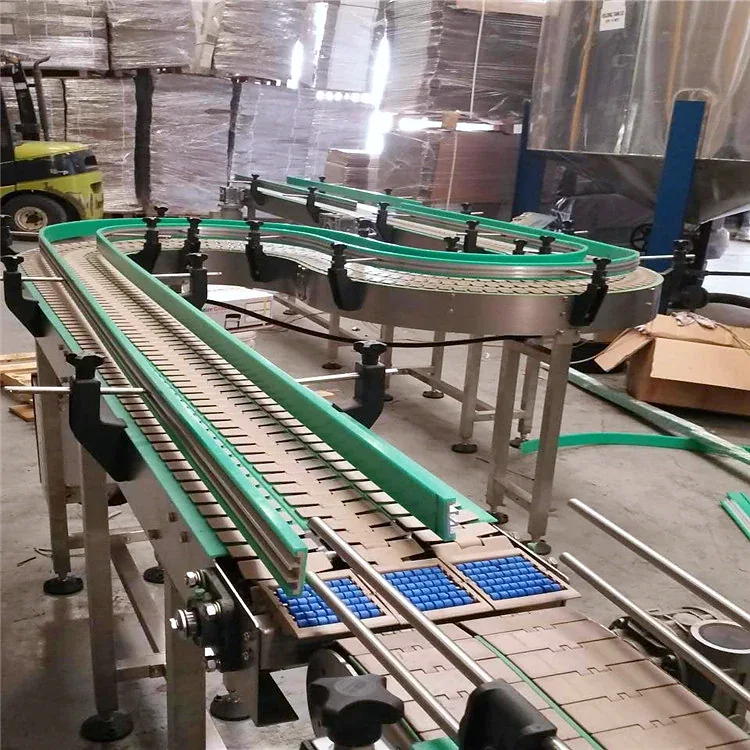
List the connected equipment and the signals required for starting, stopping, product detection, and downstream availability. Assign responsibility for the control changes, guarding, and safety-function assessment. An interface drawing should show where the new supplier’s scope ends and the plant or integrator’s scope begins.
For more detail on product handoffs, see our conveyor transfer guide. Where temporary stops are the concern, review accumulation conveyor arrangements before deciding that additional speed is the answer.
Compare Complete Project Scopes
Ask retrofit and replacement proposals to address the same product range, required flow, footprint, interfaces, and acceptance conditions. A useful comparison includes:
- Equipment and components supplied, retained, or removed, plus freight and site handling included in the quote.
- Engineering, fabrication, installation, electrical, and control responsibilities.
- Access and shutdown requirements, including removal and reconnection work.
- Testing, documentation, training, and spare-parts requirements.
- Remaining limitations and any work needed outside the quoted section.
A low equipment price can leave integration work elsewhere in the project. A retrofit can also retain constraints that matter to the new duty. Compare the complete defined scopes rather than applying a fixed savings percentage, service life, or payback period.
Plan servicing and change work with the responsible site team, including the applicable hazardous energy control procedures. The shutdown plan needs to allow for installation, checks, and a controlled return to production; a proposed delivery date alone does not define that window.
Prepare a Line Review Package
Provide the supplier with the layout and measured interfaces, equipment identification, photographs of the relevant sections, product samples or base details, and a description of the operating problem. Include current and required output, product-contact limits, cleaning conditions, available shutdown windows, and the equipment that must remain.
Set acceptance conditions before comparing proposals. They might cover the agreed product range crossing each handoff, maintaining orientation, responding to downstream stops, and restarting in the intended sequence. State how these will be checked and who will participate. The conveyor design input guide can help organize the product and layout information.
If the review identifies a new conveyor section or a revised line layout, send the equipment requirements to CSTRANS for evaluation. For a replacement chain, modular belt, or accessory on an otherwise suitable conveyor, consult the csbelts component range with the identification and dimensions needed to check compatibility.