Table of Contents[Hide]
- 1 Emergence of Functional Beverages in the Market
- 2 Sustainability Practices Driving Beverage Production
- 3 Rise of Plant-Based Alternatives in Drink Offerings
- 4 Innovations in Beverage Packaging for Eco-Friendliness
- 5 Growth of Online Beverage Sales and E-commerce Strategies
- 6 Shift Towards Low/No-Alcohol Beverage Options
- 7 Trends in Health-Conscious Consumer Preferences in Beverages
- 8 Advantages and Applications of the 1000 Positioning Modular Plastic Conveyor Belt in Modern Industries
Emergence of Functional Beverages in the Market
Sustainability Practices Driving Beverage Production
Sustainability is reshaping the beverage industry. Many companies are shifting toward eco-friendly practices. They are reducing plastic use and opting for recyclable materials. This change is driven by consumer demand for green products. Customers now prefer brands that prioritize sustainability.
Water usage is another critical focus. Companies are improving their water efficiency across production stages. Some are even investing in water purification technologies. However, achieving water neutrality remains a challenge for many. There are ongoing discussions about the balance between innovation and responsible resource use.
Energy consumption is also under scrutiny. Renewable energy sources are gaining traction in beverage production. Yet, transitioning to these systems can be complex. Some companies may struggle with the initial investment. Finding pathways to enhance sustainability isn't easy. The industry is still learning how to balance profitability with environmental responsibility.
Rise of Plant-Based Alternatives in Drink Offerings
As consumers become more health-conscious, the demand for plant-based beverages is surging. Nut milks, herbal infusions, and kombucha are just a few options gaining popularity. These drinks offer unique flavors and health benefits. They are often lower in calories and cholesterol-free. This shift reflects a broader trend toward sustainability and mindful consumption.
To capitalize on this trend, consider experimenting with your drink lineup. Introduce a unique plant-based option to attract new customers. For instance, a blend of oat milk and matcha can be refreshing and unique. These alternatives resonate well with younger consumers, who seek healthier lifestyles.
However, it's essential to be mindful of the taste. Not all plant-based drinks appeal to everyone. Some may find certain flavors off-putting. Conduct taste tests and gather feedback from your audience. Don't shy away from refining recipes until they hit the mark. Engage with your customers and adapt your offerings based on their preferences. Realizing that not every product will succeed is key. Embrace the feedback and pivot when necessary.
2026 Best Beverage Industry Trends to Watch Out For - Rise of Plant-Based Alternatives in Drink Offerings
| Trend | Description | Growth Percentage (Projected) | Popular Ingredients |
|---|---|---|---|
| Increased Demand for Oat Milk Beverages | Consumers are increasingly turning to oat milk for its sustainability and taste. | 30% | Oats, Water, Enzymes |
| Rise of Adaptogenic Drinks | Beverages infused with adaptogens for stress relief and health benefits are gaining popularity. | 22% | Ashwagandha, Holy Basil, Reishi |
| Sparkling Plant-Based Waters | Carbonated beverages made from plant extracts are being favored over traditional sodas. | 28% | Coconut, Aloe Vera, Hibiscus |
| Fermented Plant-Based Drinks | Kombucha and other fermented drinks are popular for their probiotic benefits. | 25% | Tea, Sugars, Bacteria Cultures |
| Non-Dairy Coffee Creamers | Plant-based creamers are being preferred by coffee drinkers looking for healthier options. | 35% | Almond, Soy, Cashew |
Innovations in Beverage Packaging for Eco-Friendliness
As consumers become more eco-conscious, the beverage industry is responding with innovative packaging. Sustainable materials are gaining popularity. Biodegradable and compostable options are now common. These materials can break down naturally, reducing landfill waste. However, the challenge remains in balancing functionality and sustainability.
A key trend is the rise of reusable packaging. Many companies introduce bottles that consumers can return or refill. This process not only cuts down on single-use plastic but also fosters a sense of community. Yet, encouraging widespread adoption poses uncertainty. Customer habits can be difficult to change; not everyone embraces the idea of returning containers.
Another focus is on minimizing packaging altogether. Brands explore concentrated options that require less material. For example, powdered or dried beverages can significantly reduce container size. While this approach is intriguing, it may complicate user experience. It requires consumers to adapt to new preparation methods. The path to eco-friendly solutions is rife with challenges, yet the potential rewards are compelling.
2026 Innovations in Beverage Packaging for Eco-Friendliness
Growth of Online Beverage Sales and E-commerce Strategies
The beverage industry is undergoing significant transformations. Online sales are surging. Recent reports indicate that e-commerce sales in the beverage sector will reach $100 billion by 2026. This dramatic growth is driven by changing consumer preferences. Many people now prefer shopping from home.
E-commerce strategies are crucial for companies. They must develop user-friendly websites and apps. A seamless experience can increase customer retention. However, many brands struggle with logistics and delivery challenges. Poor delivery experiences can lead to lost customers. The competition is fierce, and brands must adapt quickly.
Additionally, social media plays a vital role. Brands engage consumers through creative campaigns. Many companies are leveraging influencers to reach wider audiences. But not all brands find success. Some fail to connect authentically with their target demographic. Monitoring trends and consumer feedback is essential for brands. Adapting strategies based on this data can make a significant difference in sales and brand loyalty.
Shift Towards Low/No-Alcohol Beverage Options
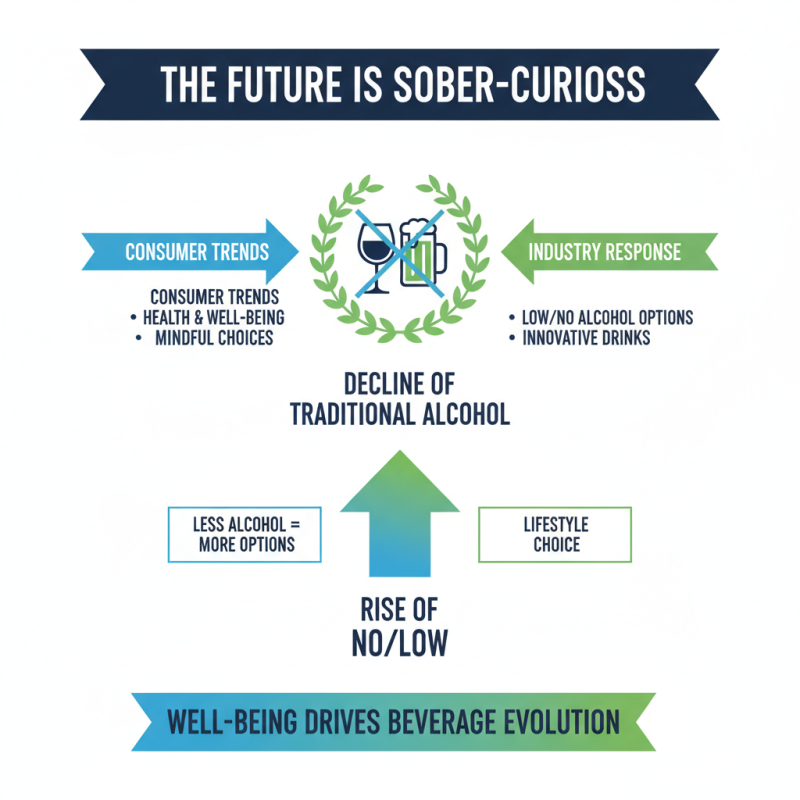
The beverage industry is rapidly shifting towards low and no-alcohol options. Consumers are becoming more health-conscious. Traditional alcohol is losing its appeal. This trend is not just about abstaining. It reflects a broader lifestyle choice focused on well-being.
New offerings are popping up everywhere. From sparkling waters to herbal infusions, the diversity is impressive. Some people worry that these options might be bland. Others feel they lack the richness of traditional beverages. However, many brands are innovating. They blend unique flavors and botanicals to enhance taste.
This shift opens discussions about social norms around drinking. For many, choosing a low-alcohol option feels empowering. It's a move towards moderation. Yet, it also raises questions. Are we truly ready to redefine celebrations and social interactions? Embracing these alternatives may require a cultural shift. The conversation is just beginning.
Trends in Health-Conscious Consumer Preferences in Beverages
Health-conscious consumer preferences are shaping the beverage industry significantly. According to a recent market report, 73% of consumers actively seek healthier options. This trend reflects a growing awareness of nutrition and wellness. Low-calorie and sugar-free products are particularly in demand among consumers aged 18-34. They are more inclined to choose beverages that contribute to their overall health goals.
Interestingly, plant-based beverages are on the rise. The same report highlights a 30% increase in demand for plant-based milk alternatives and herbal teas. Consumers are moving away from traditional options, seeking innovative flavors and health benefits. Many young adults express skepticism about artificial ingredients. Instead, they prefer natural flavors and organic components in their drinks.
Yet, brands face challenges in keeping up with these preferences. There is pressure to innovate rapidly while ensuring quality. Many companies struggle to strike a balance between flavor and health benefits. The target audience demands transparency regarding ingredient sourcing. This means companies must be ready to adapt to ongoing changes. Engaging consumers through clear messaging is essential for success in this shifting landscape.
Advantages and Applications of the 1000 Positioning Modular Plastic Conveyor Belt in Modern Industries
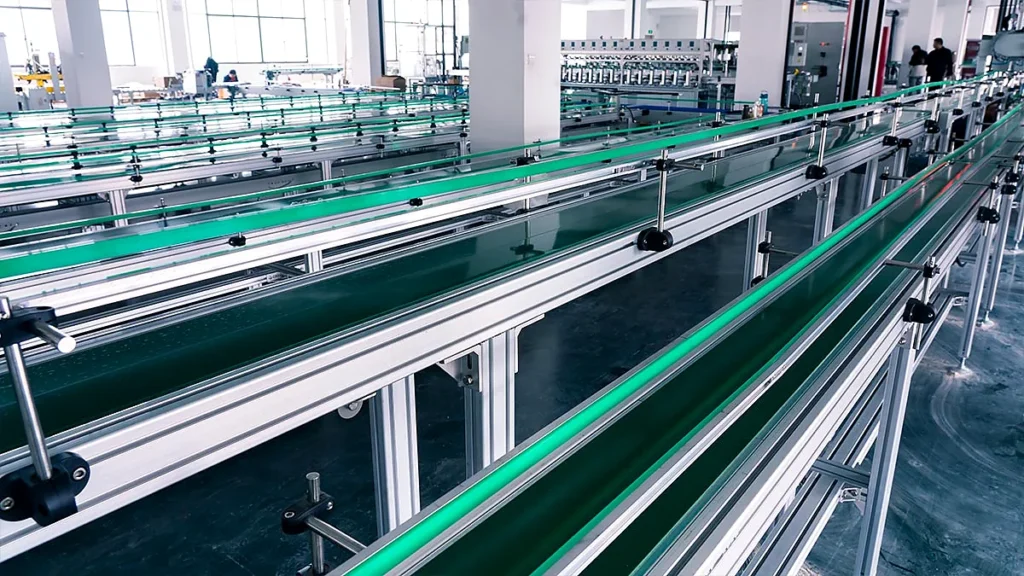
The 1000 positioning modular plastic conveyor belt has emerged as a game-changer in modern industrial applications, particularly in sectors that require specialized handling of materials such as glass and plastic bottles. This conveyor system is engineered to meet the demands of various industries, thanks to its impressive temperature resistance and chemical durability. According to industry reports, the demand for materials that can withstand extreme conditions is on the rise, with a projected growth rate of 5.7% in the conveyor system market over the next five years.
One of the standout advantages of the 1000 modular plastic conveyor belt is its ability to function effectively in challenging environments. With high temperature resistance, it can operate seamlessly in processes that involve heat-sensitive materials, which is vital for industries like food and beverage. Furthermore, its low temperature and strong acid and alkali resistance qualities make it ideal for pharmaceuticals and chemical industries where product integrity is paramount. The belt's antistatic properties also minimize the risk of accidents caused by static electricity, enhancing workplace safety by ensuring a stable operational environment.
These features not only improve the efficiency and reliability of production lines but also reduce maintenance costs due to the belt's durable construction. As companies increasingly turn toward automation and seek to optimize their production processes, the 1000 positioning modular plastic conveyor belt stands out as a reliable solution that aligns with these industry trends. This versatility makes it an invaluable asset for any modern industrial operations looking to enhance productivity while ensuring the safe handling of diverse materials.

FAQS
: What is the main purpose of this topic?
: The main purpose is to provide information and guidance. It's meant to help readers understand better.
Who can benefit from this information?
Anyone seeking knowledge can benefit. This includes students, professionals, and curious individuals.
How frequently should I refer to this type of material?
It's good to reference this regularly. Regular review helps reinforce understanding and retention.
Are there specific details I should focus on?
Yes, focus on key concepts and examples. They provide clarity and help you apply the information.
Can this information change over time?
Yes, information can evolve. Always check for updates and new insights to stay informed.
What should I do if I find something unclear?
Don't hesitate to ask questions. Seeking clarification is important for deeper understanding.
How do I apply what I learn from this topic?
Implement what you learn in real scenarios. Practical application helps highlight areas for improvement.
Why might someone struggle to grasp this topic?
Factors like personal experience and prior knowledge can contribute. Everyone learns differently.
Is it okay to make mistakes while learning?
Yes, making mistakes is part of the process. They often lead to important reflections and improvements.
Conclusion
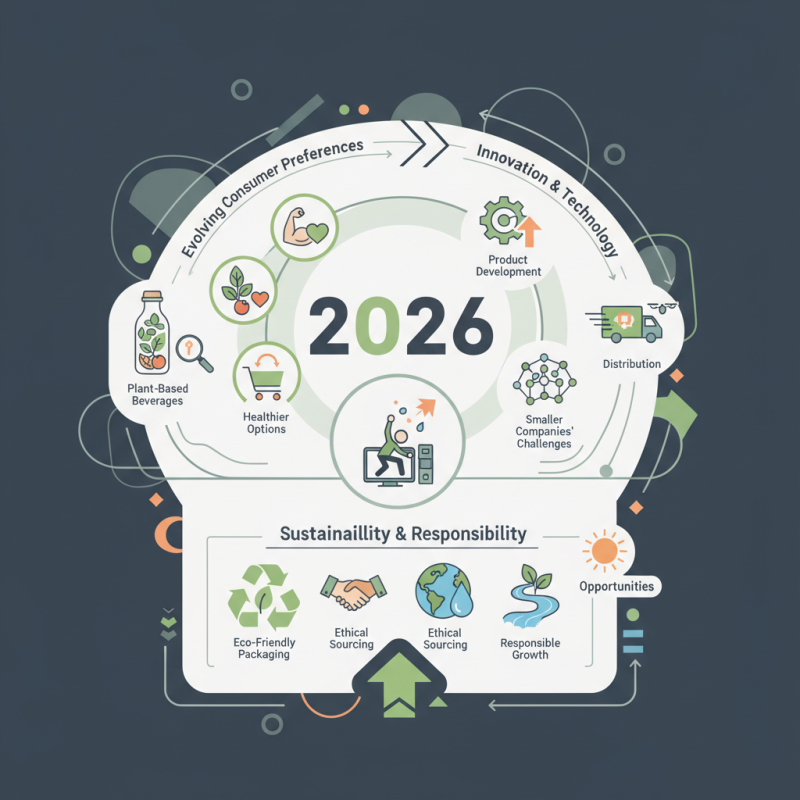
The beverage industry is poised for significant transformation by 2026, driven by several key trends. One of the most notable changes is the emergence of functional beverages, which cater to health-conscious consumers seeking added benefits in their drinks. This trend coincides with a broader shift towards low and no-alcohol options, reflecting a growing preference for mindful consumption. Additionally, sustainability practices are becoming integral to production processes, as companies adopt eco-friendly packaging innovations and embrace plant-based alternatives in their offerings.
Moreover, the shift towards online beverage sales is reshaping e-commerce strategies, providing consumers with greater access to diverse products. These trends illuminate a proactive approach within the industry beverage sector, aiming to align with evolving consumer preferences and environmental considerations. As these facets continue to evolve, industry stakeholders are likely to see both challenges and opportunities in adapting to this dynamic landscape.