

Flexible Conveyor Systems Advantages Overview
- Adaptability to Complex Layouts
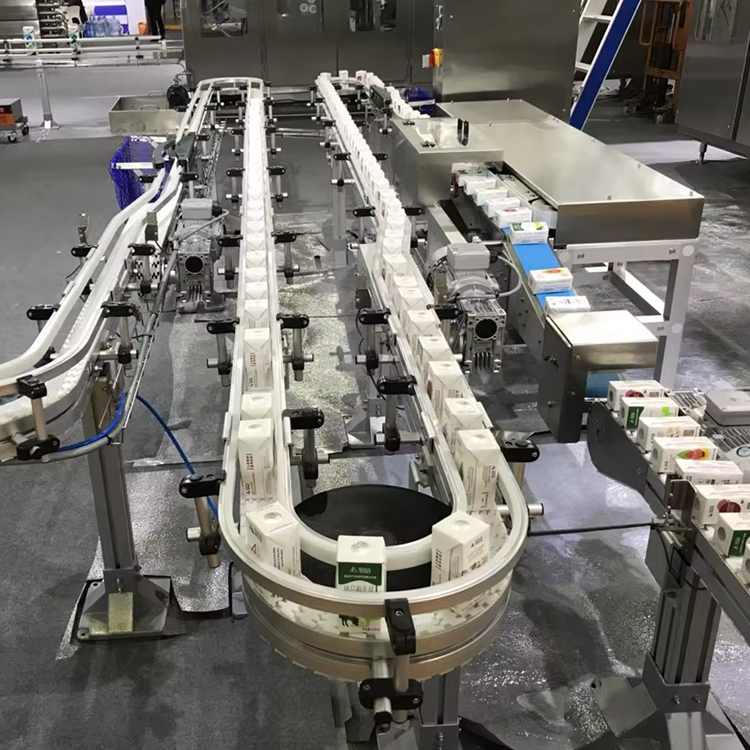
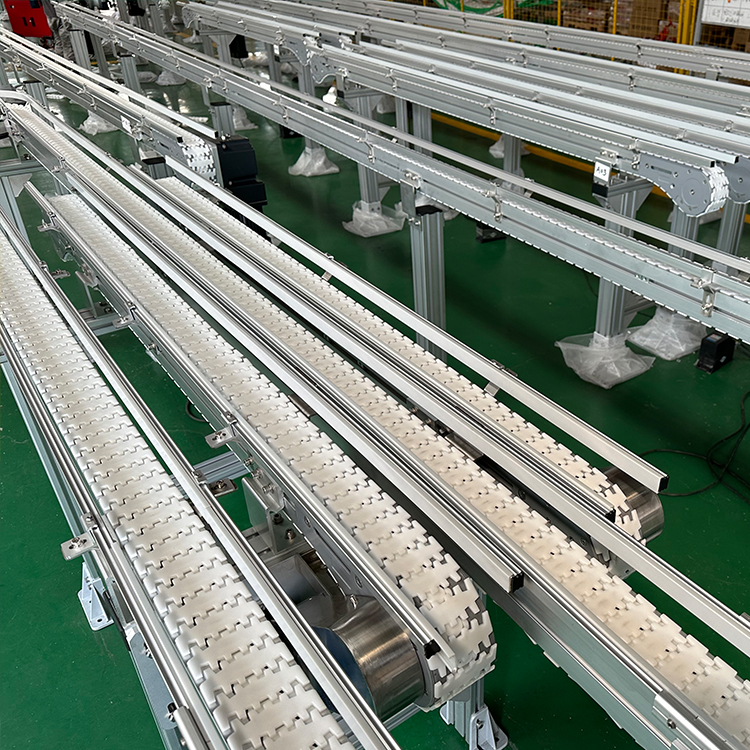
- Flexible conveyor systems can be easily reconfigured to fit tight spaces, irregular paths, or multi-level production lines, making them ideal for dynamic manufacturing environments.
- Versatile Material Handling Capable of transporting a wide range of products—from small components to bulk materials—without requiring major adjustments, ensuring seamless integration across industries like logistics, automotive, and food processing.
- Space and Cost Efficiency Modular designs reduce floor space requirements and minimize installation costs compared to rigid conveyor setups, optimizing facility layouts.
- Reduced Downtime Quick assembly/disassembly and easy maintenance enable rapid repairs or reconfigurations, keeping production lines operational with minimal disruption.
- Scalability Systems can be expanded or downsized effortlessly to meet evolving production demands, supporting business growth without costly overhauls.
- Energy Efficiency Advanced models incorporate energy-saving technologies, such as variable-speed drives, to lower operational costs and environmental impact.
- Enhanced Safety Features like anti-slip surfaces, ergonomic designs, and smart sensors reduce workplace accidents and ensure compliance with industry safety standards.
- Durability in Harsh Conditions Constructed from corrosion-resistant materials, flexible conveyors withstand extreme temperatures, moisture, and heavy loads, ideal for mining or chemical industries.
- Smart Automation Integration Compatible with IoT-enabled monitoring and robotic systems, they enable real-time tracking, predictive maintenance, and seamless Industry 4.0 adoption.
- Sustainability Reusable components and energy-efficient operations align with eco-friendly manufacturing goals, reducing waste and carbon footprints.
Post time: Mar-07-2025