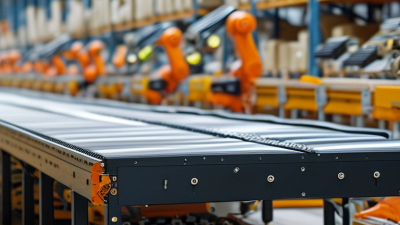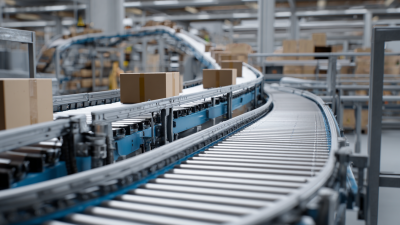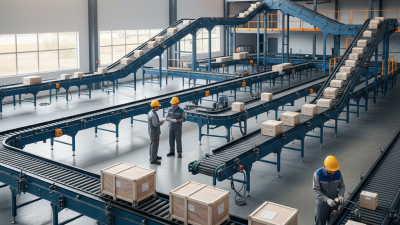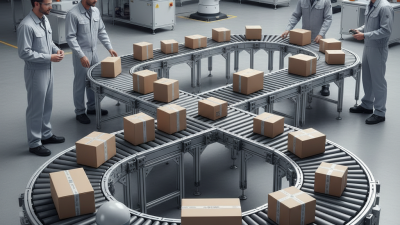
Flexible conveyor systems do not describe one single conveyor type. In warehouse and loading areas, the term often refers to expandable roller or skate-wheel conveyors that can extend, retract, curve, and move between temporary handling points.
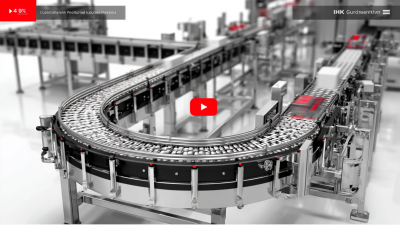
In production lines, it may refer to side-flexing flexible chain conveyor systems that route products through horizontal curves and compact workstation layouts.
These systems solve different layout problems. Before selecting one, confirm whether the application needs mobile expandable handling or a fixed conveyor route with horizontal curves.
Table of Contents[Hide]
- 1 Overview of Flexible Conveyor Systems in Supply Chains
- 2 Key Features of Effective Flexible Conveyor Solutions
- 3 Types of Flexible Conveyor Systems Available on the Market
- 4 Benefits of Implementing Flexible Conveyors in Logistics
- 5 Factors to Consider When Selecting a Flexible Conveyor System
- 6 Top Manufacturers and Brands of Flexible Conveyor Systems
- 7 Future Trends in Flexible Conveyor Technology and Design
- 8 Maximizing Efficiency in Material Handling: Insights from Industry Reports on the 44 Flexible Chain Conveyor Horizontal Wheel Bend
- FAQS
Overview of Flexible Conveyor Systems
A flexible conveyor system allows the conveyor route, length, position, or horizontal path to adapt more than a fixed straight conveyor. The way it adapts depends on the conveyor type.
Expandable roller and skate-wheel conveyors use an extendable frame. They are commonly moved between packing tables, sortation areas, truck doors, and temporary loading points.
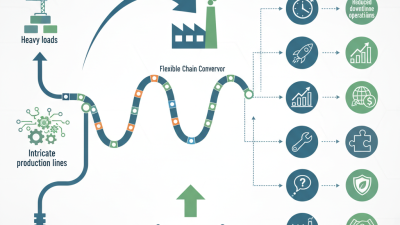
Flexible chain conveyors use side-flexing chain and curved track sections. They are usually installed as part of a fixed production line, where products pass through straight sections, horizontal bends, and multiple workstations.
The main components to check are the frame, conveying surface, drive method, supports or casters, guide rails, and transfer interfaces. These parts decide whether the conveyor can support the product, follow the required route, and connect cleanly with upstream and downstream equipment.
For e-commerce handling, the practical component checks are the expandable frame, rollers or skate wheels, casters, adjustable supports, guide rails, and the transfer height at packing tables or loading points.
Top 10 Flexible Conveyor Systems for Efficient Supply Chain
The following systems are common flexible conveyor forms, not a strict ranking. They are grouped by how the conveyor changes route, length, or position.
1. Expandable Roller Conveyor
An expandable roller conveyor uses a scissor-style frame that can extend, retract, and curve. It is used for cartons, totes, and other rigid-bottom loads in packing areas, sortation points, and loading zones.
2. Flexible Skate-Wheel Conveyor
A flexible skate-wheel conveyor is a lighter expandable conveyor that uses multiple skate wheels instead of full-width rollers. It suits cartons with stable bottoms, especially where the conveyor must be moved frequently.
3. Powered Flexible Roller Conveyor
A powered flexible roller conveyor adds drive to an expandable roller frame. It is used when gravity flow is not enough or when products must move through a temporary handling area without manual pushing.
4. Gravity Flexible Conveyor
A gravity flexible conveyor has no powered drive. Product movement depends on slope and manual handling. It is simple to reposition, but product flow depends on load weight, bottom condition, and the available incline.
5. Telescopic Loading Conveyor
A telescopic loading conveyor is a related extendable conveyor form used at loading docks. It extends into a truck or container to reduce the carrying distance between the operator and the loading point.
6. Portable Belt Conveyor
A portable belt conveyor can be moved between work areas when a temporary conveying route is needed. Unlike roller or skate-wheel conveyors, the belt gives continuous support to products that cannot bridge gaps between rollers.
7. Flexible Chain Conveyor
A flexible chain conveyor uses a side-flexing chain that can travel through straight sections and horizontal curves. It is used in fixed production layouts where products must move around machines, operators, or compact workstation arrangements.
8. Side-Flexing Flat-Top Chain Conveyor
Side-flexing flat-top chain conveyors provide a supported top surface while allowing horizontal bends. They are used for bottles, cartons, trays, and small packaged products that need guided movement through curved routes.
9. Curved Modular Belt Conveyor
A curved modular belt conveyor uses interlocking belt modules to form a conveying surface through curved sections. It is useful where a wider supporting surface is needed than a chain conveyor can provide.
10. Flexible Pallet Conveyor
A flexible pallet conveyor uses carriers, pallets, or fixtures to move products through a route that may include curves, transfers, or workstation interfaces. It is used when the product itself cannot ride directly on rollers, wheels, or chain plates.
Key Features of Effective Flexible Conveyor Solutions
Flexible conveyor systems are essential for optimizing supply chain efficiency. One key feature of effective solutions is adaptability. These systems can easily be reconfigured to support various product types and sizes. This adaptability allows businesses to respond swiftly to changing demands, enhancing overall productivity.
Another important aspect is modular design. Modular conveyors can be added or removed as needed. This feature helps businesses scale operations without substantial investment. Integrating smart technology further enhances reliability. Sensors can monitor performance and predict maintenance needs, ensuring minimal downtime.
The user-friendliness of control systems also plays a crucial role. Operators should be able to set up and adjust conveyor settings without extensive training. However, achieving the perfect balance of features can be challenging. Not every solution meets all specific operational needs. Continuous evaluation is vital. Understanding strengths and weaknesses is part of the improvement process in conveyor systems.
Types of Flexible Conveyor Systems Available on the Market
Flexible conveyor systems play a vital role in modern supply chains. They come in various types, each designed to meet specific operational needs. One common type is the modular conveyor, which features interchangeable components for easy customization. This flexibility allows companies to adapt their setups. Moreover, the accordion-style conveyor can expand and contract, ideal for fluctuating workloads.
When choosing a conveyor system, consider your space constraints. A compact design might suit small warehouses, yet larger operations may need extensive systems. It’s important to assess the conveyor capacity. Systems should handle your maximum output without strain.
Tip: Regular maintenance is crucial. Inspect belts and rollers to avoid unexpected breakdowns. Efficient conveyor systems rely on consistent performance. A single faulty component can disrupt the entire supply chain.
Another option is the roller bed conveyor, known for its durability. This type can handle heavy items and is often used in distribution centers. However, it may require a larger footprint. Evaluate your specific needs beforehand.
Tip: Look for systems with easy integration. The right conveyor should fit seamlessly with existing infrastructure. Compatibility can save time and costs in the long run. Flexibility and adaptability are key attributes that ensure smooth operations.
Benefits of Flexible Conveyor Systems
Expandable roller and skate-wheel conveyors reduce manual carrying distance in temporary handling areas. They can be pulled toward a truck door, packing table, or sortation point, then retracted or moved when the layout changes.
Flexible chain and curved modular systems solve a different problem. They allow a fixed production line to pass through horizontal curves and compact equipment layouts without using a separate straight conveyor at every direction change.
Flexibility still has limits. Product weight, bottom support, turning radius, conveyor slope, guide design, and transfer points decide whether the system will run consistently.
Factors to Consider When Selecting a Flexible Conveyor System
Choosing the right flexible conveyor system is essential for optimizing supply chains. Several factors come into play. The layout of your facility greatly impacts your choice. Flexible conveyors can adapt to various spaces, but you need to ensure they fit your specific needs. Consider the weight capacity required for your materials. Lightweight items may not need heavy-duty systems, while heavy loads call for robust solutions.
Another important aspect is the type of goods being transported. Are they fragile? Will they be moved frequently? This could necessitate rollers or belts designed for gentler handling. Look into the speed and efficiency of the system as well. A slower conveyor may save energy but could hinder productivity. It’s important to find a balance that works for your operation.
Durability is paramount, but not all systems are created equal. Frequent contact with harsh materials can wear down conveyor components. Regular maintenance checks can prevent unexpected failures. Understanding the operational environment will influence the choice you make. Your system must not only meet current demands but also adapt to future changes in your supply chain.
Top 10 Flexible Conveyor Systems for Efficient Supply Chain
| Conveyor Type | Load Capacity (kg/m) | Belt Width (mm) | Speed (m/s) | Flexibility (degrees) | Material | Application |
|---|---|---|---|---|---|---|
| Modular Belt Conveyor | 150 | 300 | 1.5 | 360 | Plastic | General Material Handling |
| Flexible Roller Conveyor | 100 | 400 | 1.0 | 180 | Steel | Parcel Sorting |
| Belt Conveyor | 200 | 500 | 1.2 | 200 | Rubber | Food Industry |
| Incline/Decline Conveyor | 300 | 600 | 1.4 | 120 | PVC | Packaging |
| Dragon Tooth Conveyor | 250 | 450 | 1.3 | 270 | Aluminum | Automotive Parts |
| Flexible Chain Conveyor | 160 | 350 | 1.0 | 360 | Plastic | Consumer Goods |
| Heavy Duty Roller Conveyor | 400 | 600 | 1.7 | 180 | Steel | Heavy Industry |
| Sanitary Conveyor | 220 | 300 | 1.6 | 270 | Stainless Steel | Pharmaceuticals |
| Pneumatic Conveyor | 180 | 250 | 2.0 | 360 | Plastic | Bulk Material |
| Overhead Conveyor | 150 | 200 | 0.5 | 360 | Aluminum | Assembly Lines |
Top Manufacturers and Brands of Flexible Conveyor Systems
Flexible conveyor systems play a crucial role in streamlining supply chains. Many manufacturers focus on creating reliable solutions that adapt to varying operational needs. A strong brand usually has years of experience and expertise in this field. It’s essential to select systems that can handle diverse materials efficiently. Durability and ease of maintenance are also vital factors to consider.
Tips: Assess your current workflow to identify bottlenecks. This will guide your choice of a conveyor system. Engage with manufacturers to understand which designs best fit your needs.
When exploring options, consider customization features. Some brands offer modular designs that allow for easy reconfiguration. This flexibility can lead to improved productivity. However, not every solution is suitable for every application. Continuous evaluation is necessary to ensure your system remains efficient.
Incorporating the best conveyor solution can enhance your supply chain significantly. However, relying solely on technology isn't enough. Regular training and updates for staff are essential. The right balance of technology and human expertise will yield the best results.
Future Trends in Flexible Conveyor Technology and Design
Flexible conveyor systems are evolving rapidly. With increasing demand for efficiency, the future of conveyor technology looks promising. One trend is the integration of smart technology. Sensors and data analytics will enhance performance. Predictive maintenance can reduce downtime. Companies must adapt to these advancements.
Tips: Regularly assess your conveyor systems. Identify any inefficiencies. This can help pinpoint areas for improvement. Small adjustments can lead to significant benefits.
Another trend is modular design. Modular systems allow for easy reconfiguration. This flexibility meets changing logistics requirements. However, some users struggle with overcomplicating installations. Streamlined processes can simplify operations without sacrificing functionality.
Tips: Consider investing in staff training. Knowledgeable employees ensure systems operate efficiently. Misunderstandings can lead to costly errors. Encouraging feedback can enhance system performance.
How to Choose a Flexible Conveyor System
Expandable conveyors are used where the loading, packing, or sortation point changes during operation. Side-flexing chain and curved modular conveyors are used where the route is fixed but cannot remain straight.
Expandable roller and skate-wheel conveyors are common in e-commerce packing, parcel handling, temporary sortation, truck loading, and unloading areas.
Flexible chain and curved modular conveyor systems are used in production lines where products move between machines, inspection stations, labeling equipment, packaging machines, or manual workstations.
A mobile expandable conveyor should not be treated as the same system as a fixed side-flexing chain conveyor.
Conclusion
A flexible conveyor system is not one fixed equipment type. In temporary handling areas, it may mean an expandable roller or skate-wheel conveyor. In production lines, it may mean a side-flexing chain or curved conveyor system.
Before selecting one, confirm the product support condition, load weight, required route, transfer points, and whether the conveyor must be mobile or permanently installed.