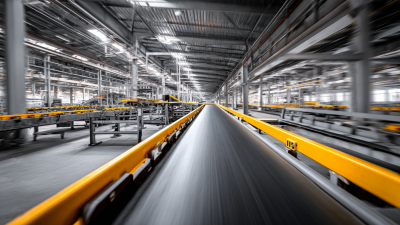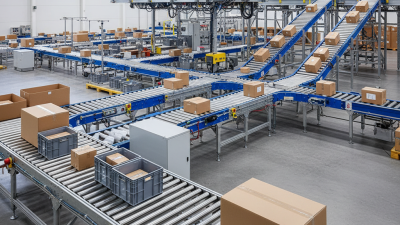
In today's competitive market, businesses are always on the lookout for smarter ways to streamline their operations. One solution that's gaining a lot of attention is Roller Conveyor Systems — and honestly, they can be a game-changer for boosting productivity. I remember John Smith from Conveyor Solutions Inc. once mentioning, 'Investing in Roller Conveyor Systems can totally transform your material handling process.' Sounds pretty compelling, right?
These systems are pretty great because they provide a smooth and steady flow of goods, cutting down on manual labor and helping keep things safe. Plus, they're super versatile and can usually be customized to fit different operational needs — kind of like tailoring a suit to fit perfectly. But, truth be told, not every business really sees their true potential right away. Some folks get held back by worries over initial costs or the perceived hassle of integrating new systems. Taking a moment to honestly reflect on these concerns can sometimes lead to better, more informed decisions.
Getting to know Roller Conveyor Systems is pretty much essential in modern logistics. This knowledge can really help businesses stay ahead, adapt better, and even innovate. When challenges pop up, having the right conveyor system in place could be just what you need to push through. Picking the right one isn’t just a small decision — it can lead to some serious long-term benefits if you choose wisely.
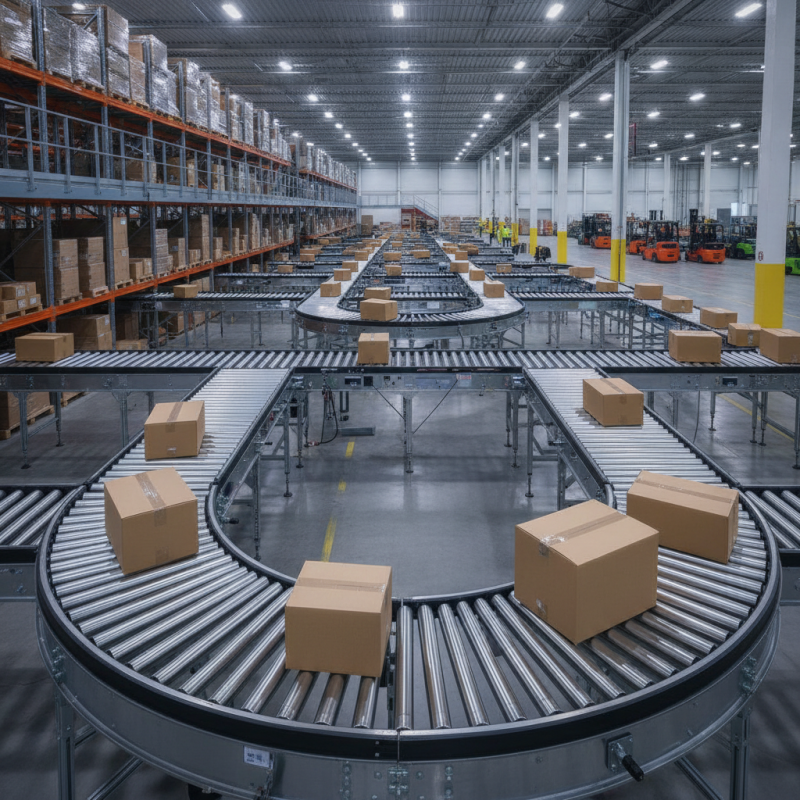
Table of Contents[Hide]
- 1 Advantages of Roller Conveyor Systems in Modern Industries
- 2 Key Features of Roller Conveyor Systems for Efficient Operations
- 3 Comparative Analysis: Roller Conveyors vs. Other Conveyor Types
- 4 Impact of Roller Conveyor Systems on Productivity and Efficiency
- 5 Cost-Effectiveness of Implementing Roller Conveyor Systems
- 6 Applications of Roller Conveyor Systems Across Various Sectors
- 7 Choosing the Right Roller Conveyor System for Your Business Needs
Advantages of Roller Conveyor Systems in Modern Industries
Roller conveyor systems have become essential in modern industries. They offer incredible efficiency in transporting goods. These systems can handle a variety of products, from lightweight packages to heavy machinery components. By promoting smooth movement, they minimize manual lifting and reduce injury risk for workers.
One major advantage is flexibility. Roller conveyors can be easily reconfigured for different layouts. This adaptability is beneficial for businesses that regularly change production lines. It allows for the quick integration of new processes without extensive downtime.
**Tip:** Consider the load capacity when selecting a roller conveyor. It’s vital to match the system to your products.
Durability is another key point. High-quality rollers can withstand harsh conditions, ensuring long-term operation. However, companies must periodically inspect and maintain the equipment. Neglecting this could lead to unexpected failures.
**Tip:** Keep a maintenance log. Tracking repairs helps identify patterns and prevent larger issues.
In conclusion, roller conveyor systems provide numerous advantages that enhance productivity and safety in various industries. However, companies need to be proactive in their maintenance to fully benefit from these systems.
Advantages of Roller Conveyor Systems in Modern Industries
The bar chart above illustrates the rating of various advantages of roller conveyor systems, highlighting their efficiency, flexibility, maintenance requirements, safety, and cost-effectiveness in modern industries.
Key Features of Roller Conveyor Systems for Efficient Operations
Roller conveyor systems provide a robust solution for material handling. These systems are essential for modern warehouses and distribution centers. They enhance productivity and streamline operations. According to a report by the Material Handling Industry of America, automated conveyor systems can increase efficiency by up to 30%. This significant improvement is vital for businesses aiming to meet expedited shipping demands.
One of the key features of roller conveyor systems is their versatility. These systems can handle a variety of products, from lightweight packages to heavy pallets. They can be seamlessly integrated into existing workflows. Additionally, roller conveyors can decrease labor costs. Research indicates that businesses can cut labor needs by as much as 25% after implementing these systems. However, organizations must assess their specific requirements before investing.
Durability is another critical aspect. Roller conveyors are designed to withstand demanding environments. With proper maintenance, they can have a lifespan of over 15 years. But not every roller conveyor is suitable for every application. Businesses should evaluate their load capacities and environmental conditions. Regular assessments are essential to ensure optimal performance and reliability.
Why Choose Roller Conveyor Systems for Your Business Needs? - Key Features of Roller Conveyor Systems for Efficient Operations
| Feature | Description | Benefits |
|---|---|---|
| Modular Design | Allows for customization and flexibility in layout | Easily adaptable to various spaces and processes |
| Durability | Constructed from high-quality materials for long lifespan | Reduces maintenance costs and downtime |
| High Load Capacity | Capable of handling heavy and bulky items | Improves efficiency in transporting larger goods |
| Low Noise Levels | Designed to operate quietly during use | Contributes to a better working environment |
| Energy Efficiency | Optimized systems that consume less power | Reduces operational costs and environmental impact |
| Scalability | Easily expanded or reduced based on needs | Supports growth without major overhauls |
Comparative Analysis: Roller Conveyors vs. Other Conveyor Types
Roller conveyors stand out in many industrial settings. They are efficient and reliable. Unlike belt conveyors, roller systems are less prone to wear and tear. They operate smoothly with minimal friction, making them ideal for heavy loads. These conveyors can handle various materials, from boxes to pallets, without much adjustment.
In contrast, belt conveyors can be limited by belt slippage or damage. They may require more maintenance over time. Flexible chain conveyors also exist, but they can be complex and costly to install.
Roller systems offer easier integration into existing workflows. The design allows for straightforward customization based on specific needs.
Cost is another factor to consider. Roller conveyors often have a lower initial investment compared to other types. However, long-term maintenance and energy efficiency should also be evaluated. Striking the right balance between cost and performance is key. Each system has its pros and cons. Choosing the right one is subjective and varies by operation. Always assess your unique requirements before making a decision.
Impact of Roller Conveyor Systems on Productivity and Efficiency
Roller conveyor systems significantly enhance productivity and efficiency in various industries. They streamline the movement of goods, reducing the time workers spend on manual handling. This allows employees to focus on more critical tasks, ultimately boosting output. With precise design, these systems can accommodate different product shapes and sizes, ensuring a smooth operation.
Incorporating roller conveyors also minimizes the risk of workplace injuries. Heavy lifting and repetitive motions can lead to fatigue and accidents. By utilizing these systems, businesses create a safer environment. Workers can engage in value-added activities instead of tiresome manual tasks.
Tips: Always assess your facility layout before installation. A well-planned space optimizes conveyor efficiency. Regular maintenance checks are crucial. They ensure smooth operation and prevent unexpected downtimes, which can disrupt productivity. Evaluate your roller conveyor needs and adapt them based on changing business demands. A flexible system is worth the investment.
Cost-Effectiveness of Implementing Roller Conveyor Systems
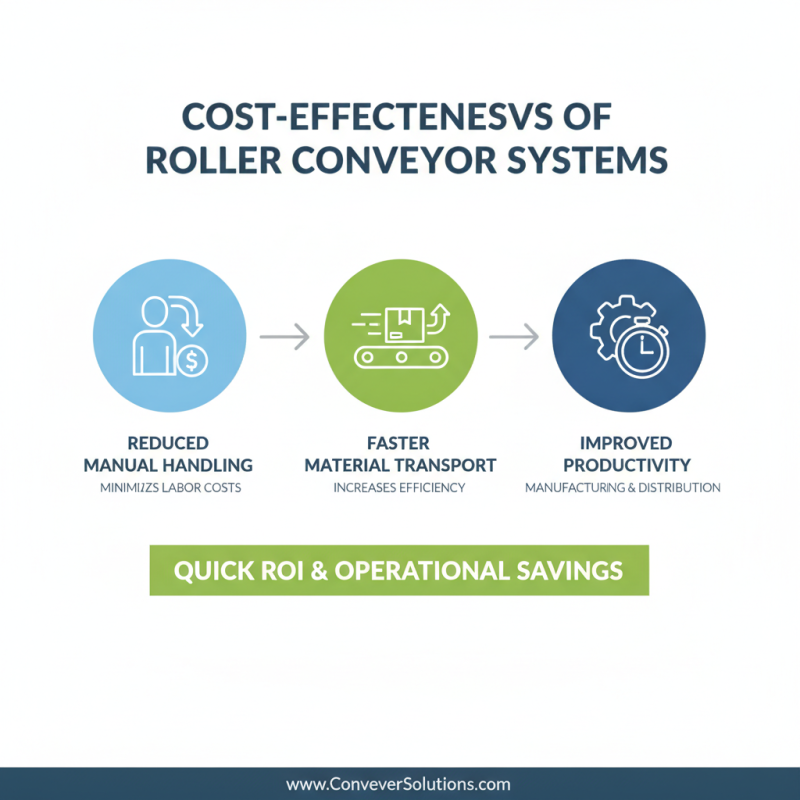
Roller conveyor systems offer a practical solution for businesses seeking cost-effectiveness. These systems reduce manual handling, minimizing labor costs. They also ensure faster material transport, increasing overall efficiency. This speed directly translates to improved productivity in both manufacturing and distribution settings.
Implementing roller conveyor systems can lead to significant long-term savings. While initial investment might seem high, the benefits often outweigh this concern. Businesses can reduce maintenance costs due to the durability of these systems. Additionally, lowering energy consumption becomes possible with modern designs. Businesses may find themselves spending less on regular upkeep.
However, there are potential challenges to consider. Space constraints can limit the implementation of roller systems. Also, employee training may require time and resources. Reflecting on these factors helps ensure a smoother transition. It is crucial to evaluate specific needs thoroughly before making a decision. Overall, roller conveyor systems present a strong case for enhancing efficiency and cost-effectiveness in various business environments.
Applications of Roller Conveyor Systems Across Various Sectors
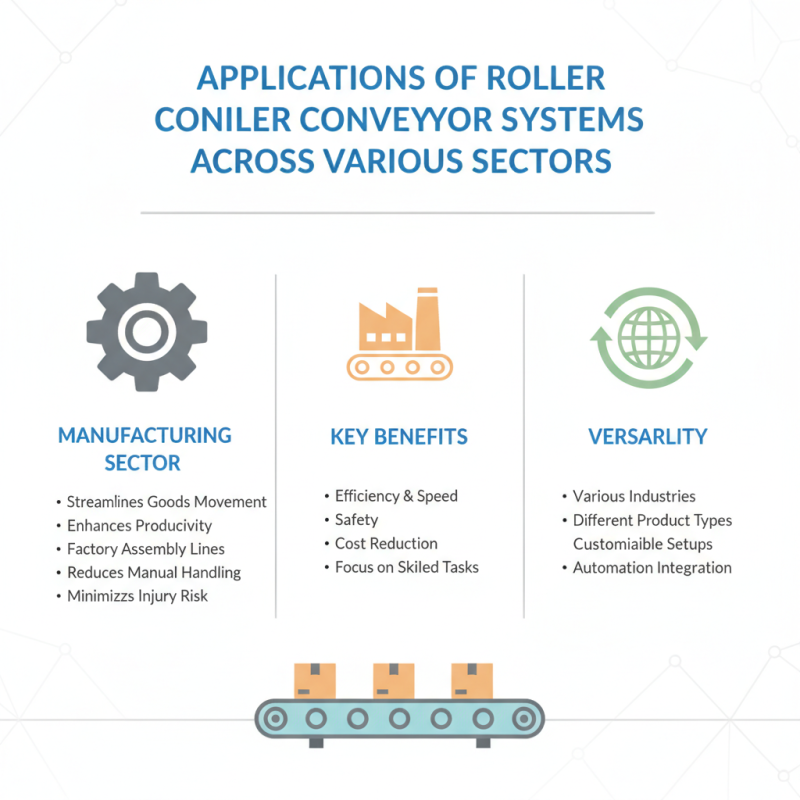
Roller conveyor systems are versatile and widely used across various sectors. In manufacturing, they streamline the movement of goods, enhancing productivity. For instance, a factory assembly line employs roller conveyors to transport components efficiently. This reduces manual handling and minimizes the risk of injury, allowing workers to focus on more critical tasks.
In warehousing, roller conveyors play a crucial role in inventory management. They facilitate the quick movement of products, whether it’s sorting or storing. This not only speeds up operations but also improves accuracy in stock tracking. However, some businesses struggle with integrating these systems due to space constraints or adapting existing workflows.
Retail settings also benefit from roller conveyor systems. They help in efficient product display and movement, especially during sales or promotions. A well-designed system can enhance customer experiences, but sometimes it requires regular maintenance to avoid breakdowns and delays. Adapting to new systems often presents challenges, but with proper planning, businesses can optimize their logistics for better performance.
Choosing the Right Roller Conveyor System for Your Business Needs
Choosing the right roller conveyor system can significantly influence your operational efficiency. According to industry reports, businesses can achieve up to 30% productivity gains by streamlining their material handling processes. This improvement often hinges on selecting a system that aligns with specific business needs. For instance, a company moving heavy products may require a robust, high-capacity roller system, while a business focused on lighter items can consider a more economical option.
When evaluating options, consider factors like load capacity, speed, and layout compatibility. Many businesses overlook performance specifications, risking inefficient workflows. A well-matched conveyor can transform material flow. It's crucial to have a clear understanding of your operational requirements before committing to a system.
Tips: Regularly review your conveyor system performance metrics. This can identify areas needing improvement. Ensure staff receive training on the system to maximize its benefits. Engage with experts for insights on future scalability. Such proactive measures can affect your bottom line positively. Remember, investing time in choosing the right system pays off in efficiency and reliability.
FAQS
: What are roller conveyor systems used for?
: Roller conveyor systems are used for transporting various products, enhancing efficiency in industries like manufacturing and warehousing.
How do roller conveyors impact worker safety?
They minimize manual lifting, reducing injury risks for workers, making operations safer and more productive.
Are roller conveyor systems adaptable to different layouts?
Yes, they are flexible and can be reconfigured for various production lines, allowing quick integration of new processes.
How important is maintenance for roller conveyor systems?
Regular maintenance is crucial. Neglecting it can lead to unexpected failures, affecting efficiency and reliability.
What should businesses consider when selecting a roller conveyor?
Companies need to match the load capacity of the conveyor to their specific products for optimal performance.
How do roller conveyors benefit warehousing operations?
They facilitate quick product movement, speeding up inventory management and improving stock tracking accuracy.
Can roller conveyor systems decrease labor costs?
Yes, studies indicate that implementing these systems can reduce labor needs by up to 25%, improving operational efficiency.
What challenges do businesses face with roller conveyors?
Some struggle with space constraints or adapting existing workflows, which can impede successful integration of these systems.
What is the average lifespan of a roller conveyor?
With proper maintenance, roller conveyors can last over 15 years, but this varies based on usage and conditions.
How can businesses prepare for integrating roller conveyor systems?
Adequate planning and assessment of specific requirements are essential to ensure smooth adaptation and optimal performance.
Conclusion
Roller Conveyor Systems have become integral to modern industries due to their numerous advantages, including enhanced efficiency, flexibility, and ease of maintenance. These systems feature robust designs tailored for efficient operations, allowing for smooth material handling across various applications. Compared to other conveyor types, roller conveyors often provide superior performance, leading to increased productivity and reduced operational costs.
The implementation of Roller Conveyor Systems can significantly impact a business's overall efficiency, making them a cost-effective choice for companies looking to optimize their logistics and manufacturing processes. Their versatility allows for application across various sectors, from manufacturing to warehousing, ensuring that businesses can find the right system tailored to their specific needs. By selecting the appropriate Roller Conveyor System, businesses can streamline their operations and achieve greater reliability and performance.